
International Cooperation Secures More Seeds for the Future of Food at Svalbard
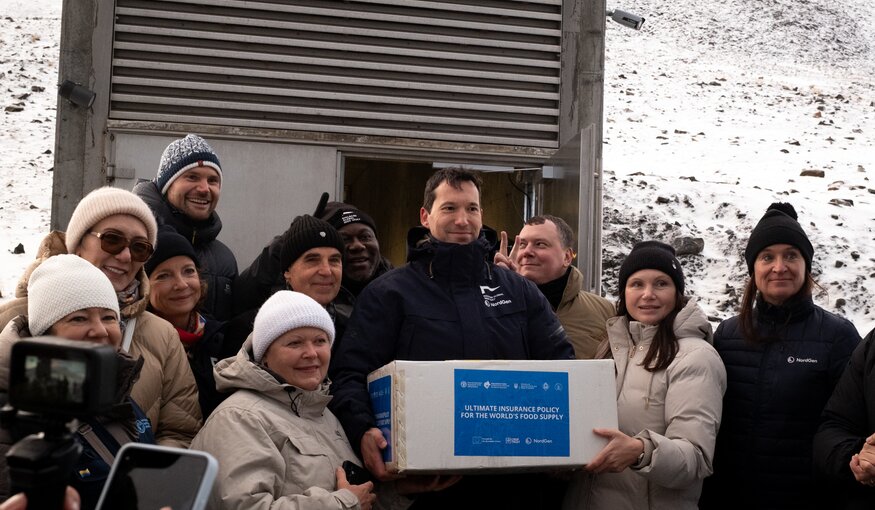
Svalbard Global Seed Vault Deposit Ceremony. October, 2026. Photo: Natalia Rodriguez/Crop Trust
13 October 2026
LONGYEARBYEN, NORWAY, 14 October 2026 – Genebanks from around the world deposited thousands of seed samples in the Svalbard Global Seed Vault yesterday, demonstrating how international cooperation helps protect the future of food. Six international genebanks of the CGIAR and Ukraine’s national genebank were among 21 institutions securing crop diversity – seeds that farmers and scientists need to respond to climate change and strengthen food security.
The deposit comes ahead of the ceremony for the 2026 Princess of Asturias Award for International Cooperation at the end of October. Awarded to the Seed Vault for its contribution to conserving crop diversity and advancing cooperation around food security, the honor recognizes the international trust behind this shared effort.
Highlights from the October 2026 deposit include:
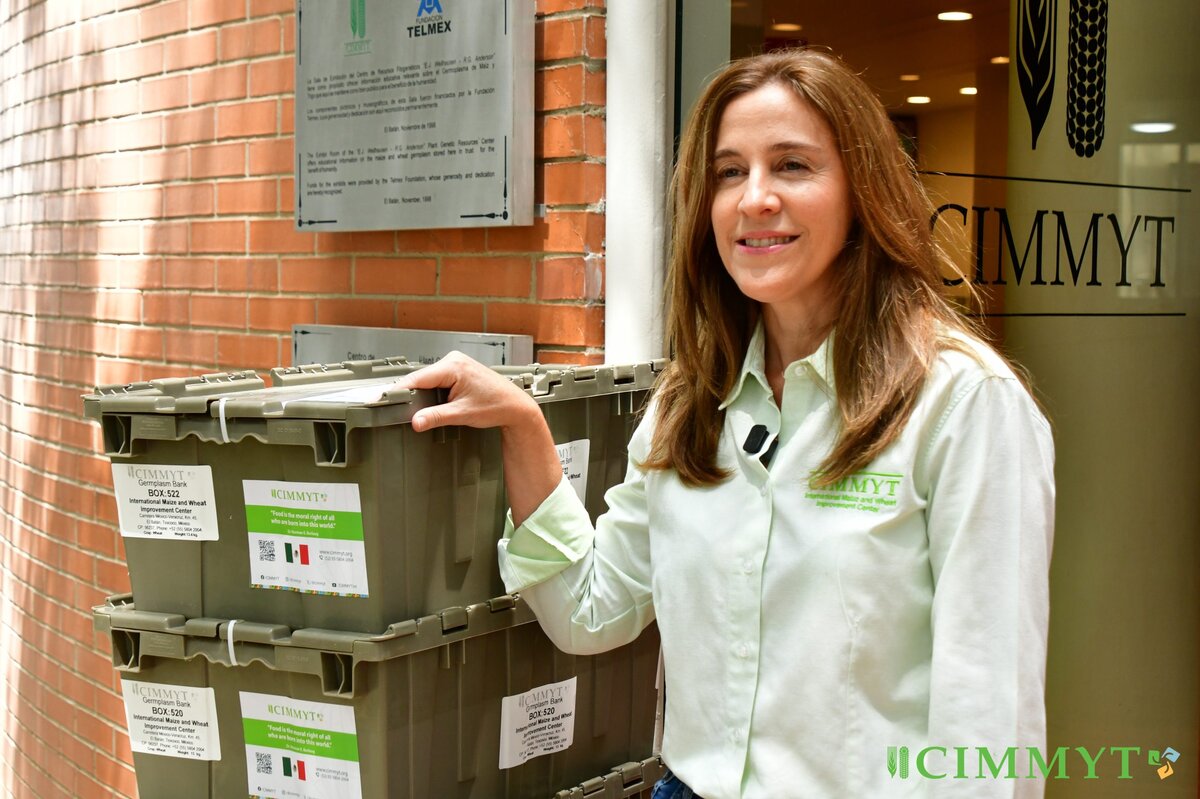
- Six CGIAR genebanks contributed a total of 8,917 samples, with Mexico-based CIMMYT making the largest deposit of 3,370 samples of common, durum and emmer wheats, triticale and maize.
- Ukraine's National Academy of Agrarian Sciences deposited 773 seed samples of buckwheat and other crops, prepared and shipped despite the challenges of war.
- One new depositor joined from Italy – The Council for Agricultural Research and Economics (CREA) deposited historic wheat and rice varieties.
The 13 October deposit added to the more than 1.4 million seed samples already safeguarded inside the Arctic mountain. Each sample is a duplicate of a sample in a genebank collection, helping ensure that valuable crop diversity can be recovered if seeds are lost or become inaccessible.
Behind the effort to ship seeds to Svalbard are genebank teams protecting crops that feed communities around the world.
Ukraine Protects Its Agricultural Heritage
Ukraine’s genebank at the National Academy of Agrarian Sciences sent 773 samples, securing backups of valuable crop diversity as conflict continues to put its collections and infrastructure at risk.
“The main challenge was organizing the whole process,” said Viktor K. Riabchoun, Head of the National Plant Genebank of Ukraine. “We had to prepare the seeds in close proximity to military hostilities, check and complete the necessary documents, and arrange the packaging and transportation.”
The team sent some of the most valuable samples from Ukraine’s crop collections, including buckwheat. Used in porridge and soups, it has a special place in Ukraine’s food and farming traditions. It also serves as an ‘insurance’ crop with a short growing season that allows farmers to sow it when winter crops fail.
“Safety duplication ensures that valuable genetic resources can be recovered if the original collection is damaged or lost,” Riabchoun said. “For Ukraine, this is particularly important because the war has created additional risks for our genebank infrastructure and collections.”
Six CGIAR Genebanks Contribute
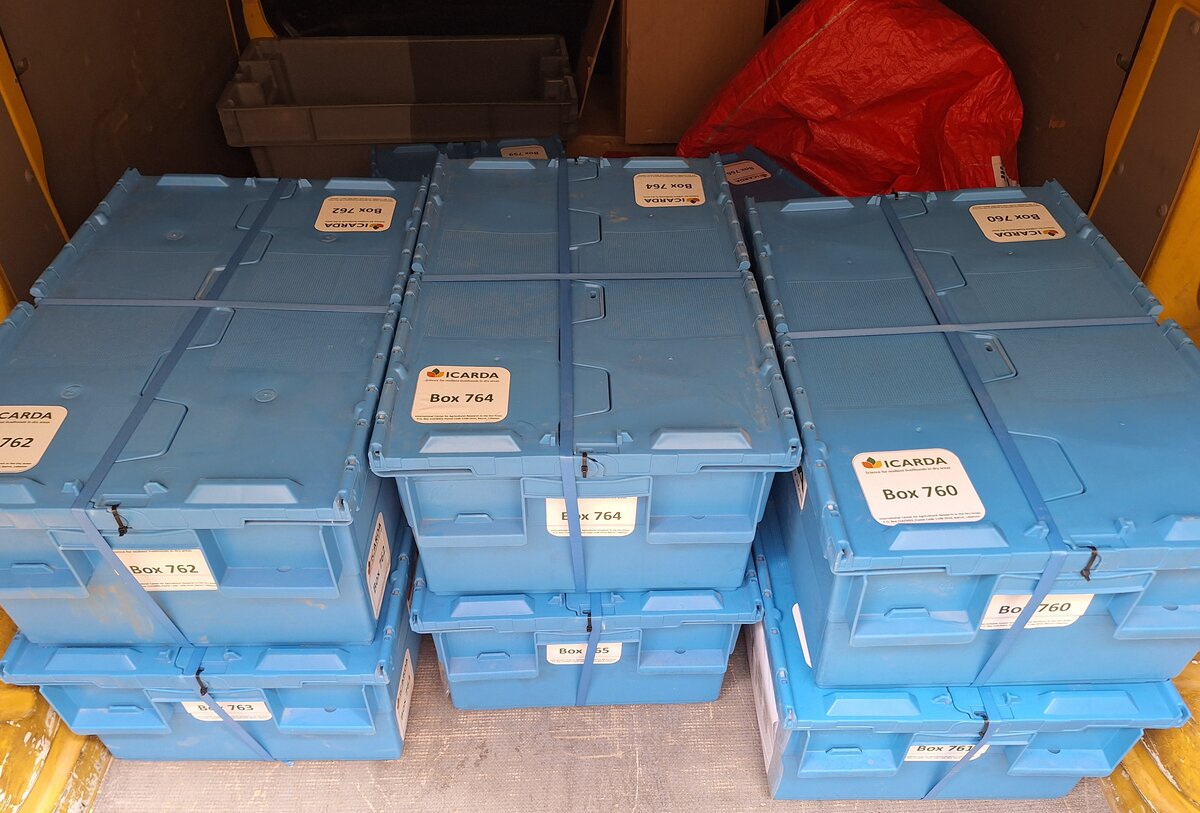
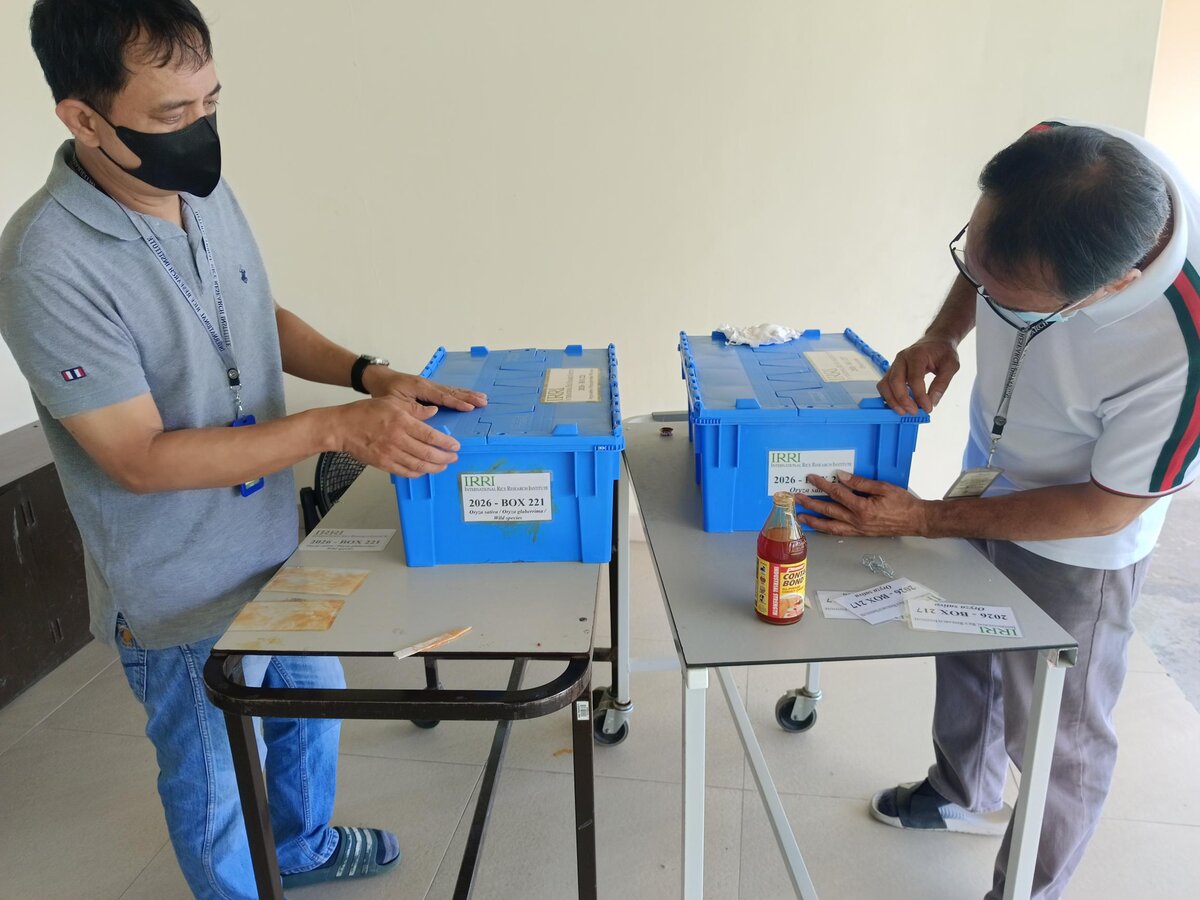
CGIAR genebanks made a substantial contribution to the October 2026 deposit. The International Maize and Wheat Improvement Center (CIMMYT) sent 3,370 samples. The genebank of the International Center for Agricultural Research in the Dry Areas (ICARDA) in Lebanon sent 2,039, the International Rice Research Institute (IRRI) deposited 1,890 and the International Potato Center (CIP) shipped 1,027. The International Livestock Research Institute (ILRI) and the Alliance of Bioversity International and CIAT also deposited seeds.
Together, the CGIAR genebanks hold the largest collections of crop diversity, which they share for research and breeding across the world. Keeping their collections backed up helps protect resources that countries depend on to improve crops and strengthen food security.
“Safety duplication in Svalbard is an essential risk-management measure that helps safeguard agricultural biodiversity for future generations and ensures the continued availability of these valuable genetic resources,” said Dr Rama Jawad, Research Associate at ICARDA in Lebanon. ICARDA withdrew seeds from the Seed Vault in the past, and used them to rebuild a collection following conflict and then returned for safekeeping.
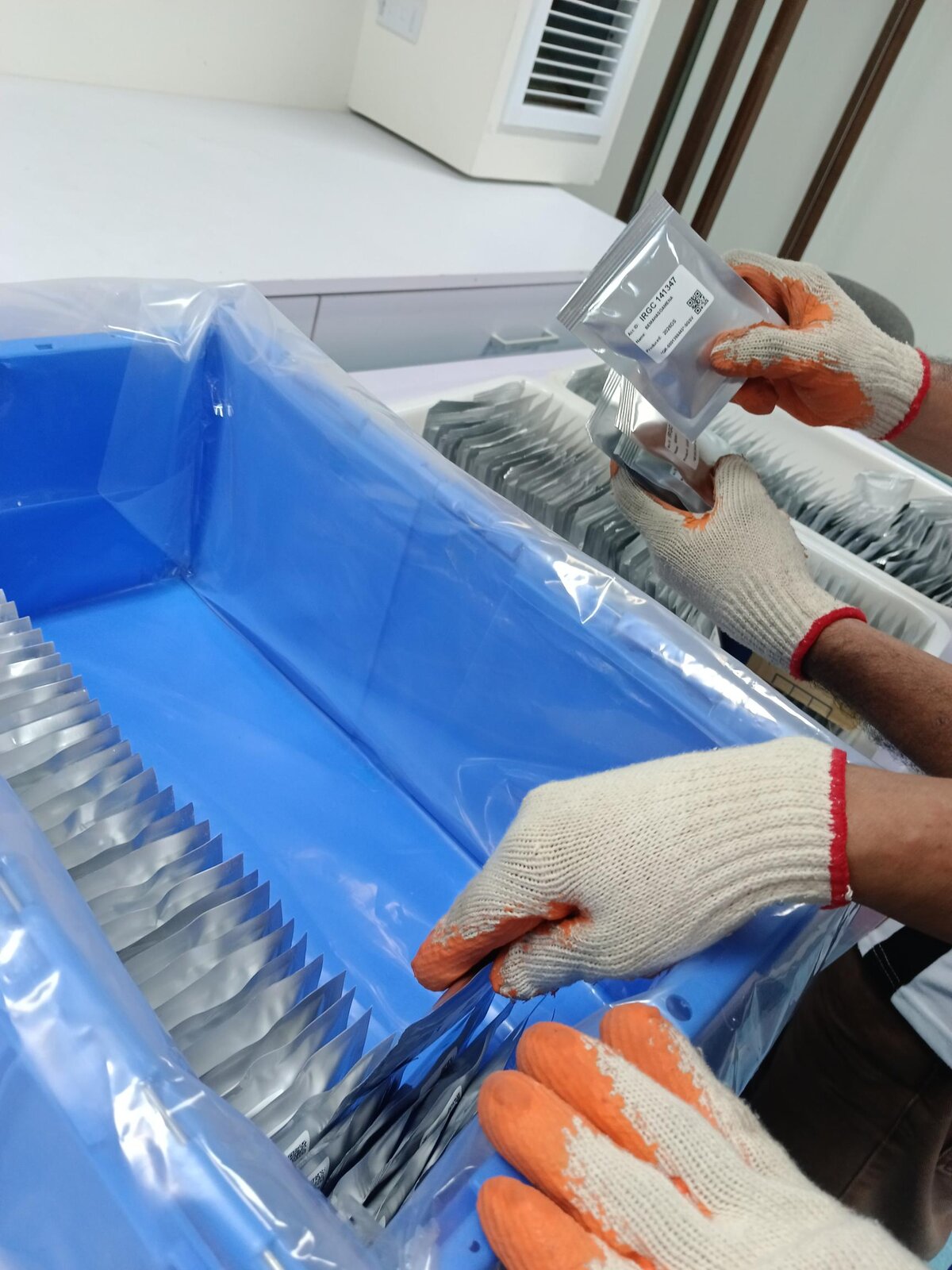
CIP deposited seed samples of wild potato and sweetpotato relatives, maca and its wild relatives, and ahipa, bringing the share of its seed collection backed up at Svalbard to 91%. IRRI deposited rice samples this year, including 410 first-time deposits with diversity from Madagascar, Costa Rica and Nepal, bringing coverage to 99.59% of its fully curated collection.
The Alliance’s deposit also marked another step towards backing up its entire collection. Its team has faced threats from guerrilla groups that forced it to abandon two field stations needed to multiply bean seeds.
Local Heritage Joins a Global Effort
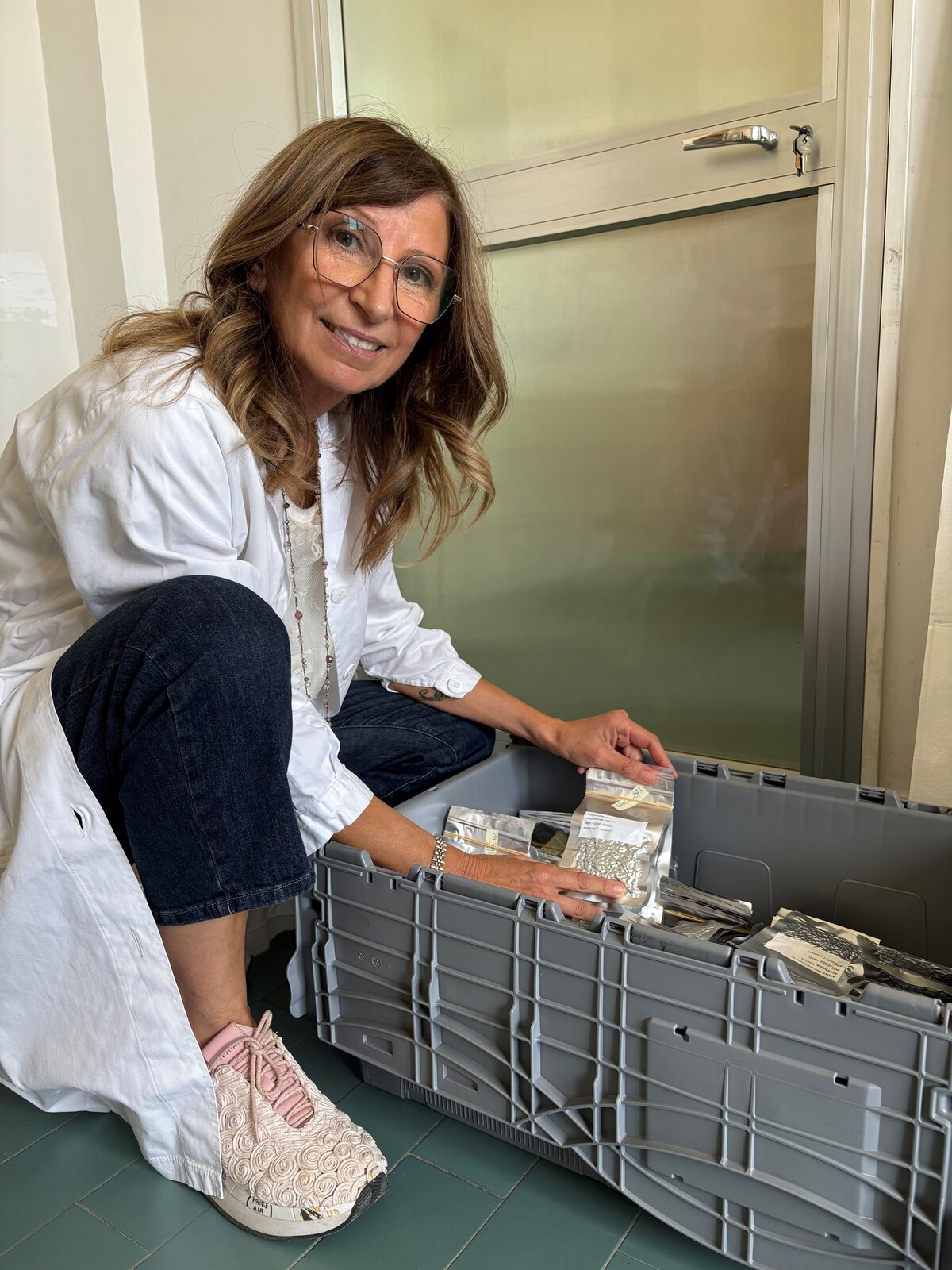
Italy’s CREA made its first deposit of [272] samples, including traditional and historic wheat and rice varieties. Among them was Mentana, developed by Italian wheat breeder Nazareno Strampelli in the early twentieth century. Mentana contributed genetic material to the development of wheat varieties grown around the world.
“Knowing that some of Italy’s historic wheat and rice varieties are now securely backed up for the future is deeply rewarding,” said Patrizia Vaccino, Director of Research at CREA.
Other notable depositors included the Southern African Development Community’s genebank, NordGen, the World Vegetable Center, and institutions in Peru, Uruguay, Lithuania, Thailand, Latvia, the United Kingdom, Portugal and New Zealand.
From national collections to international research centers, the October deposits show how institutions are working together to protect the diversity that food production depends on. The seeds remain the property of each depositor, backed up through a partnership built on trust.
Seed deposits October 2026 | Country | Seed samples | Boxes | Crops |
International Genebanks | ||||
International Center for Tropical Agriculture (CIAT) | Colombia | 225 | 1 | 58 species of legumes and grasses |
International Livestock Research Institute (ILRI) | Ethiopia | 366 | 1 | 113 species, 49 cowpea, 35 lablab, 23 purple bush-bean, etc |
International Center for Agricultural Research in the Dry Areas (ICARDA) | Lebanon | 2,039 | 8 | 177 species, 247 fava beans, 103 barbed goat grass, 98 little medick, 43 peas, etc |
International Maize and Wheat Improvement Center (CIMMYT) | Mexico | 3,370 | 7 | 2,328 common wheat, 444 durum wheat, 141 wild emmer wheat, 160 Triticale, 148 maize, etc |
International Potato Center (CIP) | Peru | 1,027 | 1 | 98 species, 154 threefork morning glory (relative of sweet potato), 116 bigleaf morning glory, 67 wayside pepperwort, etc |
International Rice Research Institute (IRRI) | Philippines | 1,890 | 6 | 15 different rice species |
Regional Generanks | ||||
Nordic Genetic Resource Center (NordGen) | Nordic countries | 303 | 1 | 62 species, 89 barley, 27 bluegrass, 21 white clover, etc |
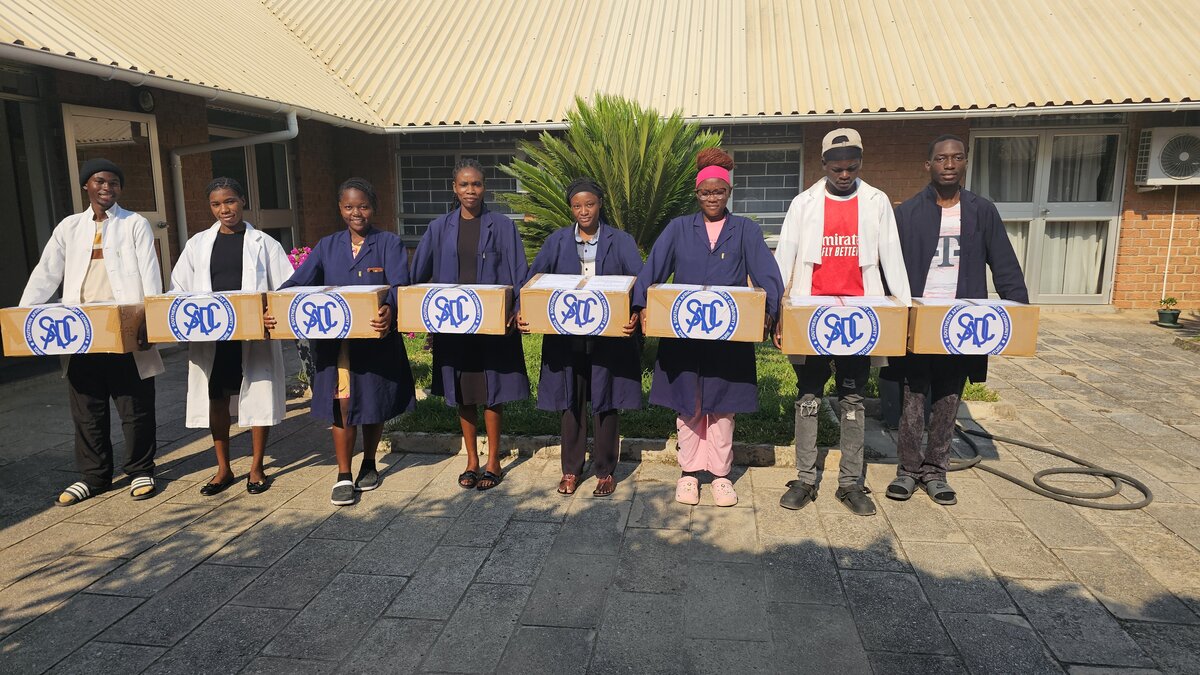
SADC Plant Genetic Resource Centre (SPGRC) | SADC | 300 | 2 | 29 species, 124 sorghum, 48 pearl millet, 15 maize, amaranthus, etc |
National & Other Genebanks | ||||
Council for Agricultural Research and Economics (CREA-CI) | Italy (new) | 271 | 1 | 2 species, 197 wheat and 74 rice |
Institute of Biosciences and BioResources | Italy | 161 | 1 | 2 species, emmer wheat and wild emmer wheat |
LMVI 'Silava', Genetic Resource Centre | Latvia | 162 | 1 | 4 species, 77 wheat, 61 oat, 20 barley 4 flax |
State Forest Service (VMT) | Lithuania | 41 | 1 | 5 species, 30 barley, etc |
Margot Forde Germplasm Centre | New Zealand | 319 | 1 | 28 species, 60 white clover, 43 perennial ryegrass, 30 common bent, etc |
Instituto Nacional de Innovación Agraria (INIA) | Peru | 71 | 1 | 5 species, 44 amaranth, 20 quinoa, etc |
Plant Breeding and Acclimatization Institute (IHAR) - National Research Institute | Poland | 1,121 | 3 | 156 species, 185 cultivated tobacco and numerous other tobacco species, 82 fava beans and numerous other bean species 66 timothy, peas, etc |
Instituto Nacional de Investigação Agrária e Veterinária (INIAV) | Portugal | 334 | 3 | 3 species, 303 common beans, 18 cowpea and 13 maize |
World Vegetable Centre (Tanzania department) | Taiwan | 1,668 | 2 | Over 400 seed samples of different types of okra, 388 jute mallow samples, almost 300 different amaranth seed samples, over 100 samples of pigeon pea |
National Rice Seed Storage Laboratory for Genetic Resources (NRSSL) | Thailand | 300 | 1 | 300 rice seed samples |
National Center for Plant Genetic Resources of Ukraine | Ukraine | 773 | 1 | 15 species, 200 triticosecale, 200 common millet, 162 barley, 100 buckwheat, etc |
John Innes Centre | United Kingdom | 1,215 | 3 | 5 species, with 1,191 of wheat seed samples |
Instituto Nacional de Investigación Agropecuaria | Uruguay | 720 | 1 | 2 species, 718 wheat samples |
TOTALS |
| 16,676 | 47 |
|
Quotes from our Partners
“When Norway established the Svalbard Global Seed Vault, the vision was to create a secure safeguard for the world's crop diversity and a shared resource for humanity. Today’s deposit demonstrates that this vision is more relevant than ever. Countries and institutions continue to come together to protect the genetic resources that future generations will depend on for food security and resilience. We are proud to partner with the Crop Trust and NordGen in this unique global effort,” said Nils Kristen Sandtrøen, Norway’s Minister of Agriculture and Food.
“We are pleased to see such a strong participation in this seed deposit and we are well aware of the difficult situation facing the Ukrainian genebank. Their contribution under these circumstances is an extraordinary achievement. It is also a powerful reminder of why the Svalbard Global Seed Vault exists: to protect the world’s irreplaceable genebank collections against all threats and safeguard them for future generations,” said NordGen’s Executive Director, Lene Krøl Andersen.
“Our food connects us across borders, and so does the responsibility to protect it,” said Stefan Schmitz, Executive Director of the Crop Trust. “ This deposit shows cooperation in action, through the commitment of genebank teams around the world. In the face of conflict, climate change and hunger, they are protecting something we all depend on – the diversity needed to grow food for generations to come.”
“Every meal depends on crop diversity developed and conserved over generations,” said Kent Nnadozie, Secretary of the International Treaty on Plant Genetic Resources for Food and Agriculture. “The International Treaty and the Svalbard Global Seed Vault are vital parts of the global system for safeguarding one of humanity’s most important resources: the diversity that underpins our food systems. By working together, countries and institutions help ensure that farmers and plant breeders have the diversity they need to adapt to climate change, respond to future challenges and keep food on our plates for generations to come.”
“This deposit reflects our commitment to ensuring that the agricultural diversity entrusted to us is never lost. Safeguarding these seeds in Svalbard preserves options for farming and science to adapt to climate change, sustain rural livelihoods, and help feed a growing world,” said Peter Wenzl, Leader of the Genetic Resources Program at the Future Seeds genebank of the Alliance.
Notes for Editors
The Svalbard Global Seed Vault provides secure storage for duplicate seed samples from genebanks around the world. Seeds remain the property of the depositing institutions, and only those institutions can withdraw them. The Seed Vault does not distribute seeds for research or breeding. These remain available through the original genebank collections.
The Seed Vault is owned by Norway and managed in partnership by the Norwegian Ministry of Agriculture and Food, NordGen and the Crop Trust. The Crop Trust supports its ongoing operations and helps fund the preparation and shipment of seeds from developing countries.
More information: Svalbard Global Seed Vault
Meet the Partners
The Norwegian Ministry of Agriculture and Food is the legal and administrative body of the Seed Vault and has the overall responsibility for its management, security and funding. The Ministry has assigned Statsbygg, the key adviser on construction and property to the Norwegian Government to be responsible for the construction and maintenance of the Seed Vault. For more information see www.regjeringen.no
The Crop Trust is an international organization working to conserve crop diversity and thus protect global food and nutrition security. At the core of Crop Trust is an endowment fund dedicated to providing guaranteed long-term financial support to key genebanks worldwide. The Crop Trust supports the Svalbard Global Seed Vault and coordinates large-scale projects worldwide to secure crop diversity and make it available for use, globally forever and for the benefit of everyone. The Crop Trust is recognized as an essential element of the funding strategy of the International Treaty on Plant Genetic Resources for Food and Agriculture. Learn more at www.croptrust.org
NordGen is the Nordic countries’ genebank and knowledge centre for genetic resources. As the operational manager of the Seed Vault, NordGen is responsible for handling the seeds inside the Seed Vault; communicating with genebanks, and maintaining a publicly accessible online database with information on the seed samples stored in the Seed Vault (seedvault.nordgen.org). Read more about NordGen at www.nordgen.org

Categories: For The Press, Press Releases, Svalbard Global Seed Vault