Colombia Steps Up for Crop Diversity: Inside AGROSAVIA’s Work with the Power of Diversity Funding Facility
-
 By Marta Millere Outreach and Engagement Lead
13 April 2026
Potato, cassava, guava, passionfruit and peach palm are as Colombian as cumbia, Betty la Fea and Gabriel García Márquez’s magical realism. These crops are found in markets, kitchens and backyard gardens across the country, reflecting the extraordinary agricultural richness of Colombia’s landscapes.
But these crops are also under threat. Replacement of traditional varieties with a narrower set of commercial crops, land-use changes and climate pressures are gradually eroding the diversity that once flourished in farmers’ fields.
Protecting crop diversity is a national priority and one that Colombia’s agricultural research organization, AGROSAVIA, has pursued for decades.
Established in 1994, the AGROSAVIA genebank now safeguards more than 34,000 samples of crops that are important to Colombian agriculture. Most are conserved as seeds, while crops that cannot be stored as seeds are maintained in vitro or in field collections. Together, they represent a vital reservoir of genetic diversity that breeders and farmers can use to develop new varieties of crops to meet future challenges.
Now AGROSAVIA is strengthening this work through the Crop Trust’s Power of Diversity Funding Facility, a multi-donor initiative dedicated to conserving, cultivating and promoting the consumption of opportunity crops. Colombia’s participation in the initiative reflects the strong potential to use these underutilized crops for more resilient food systems.
From Choosing to Analysing Colombia’s Opportunity Crops
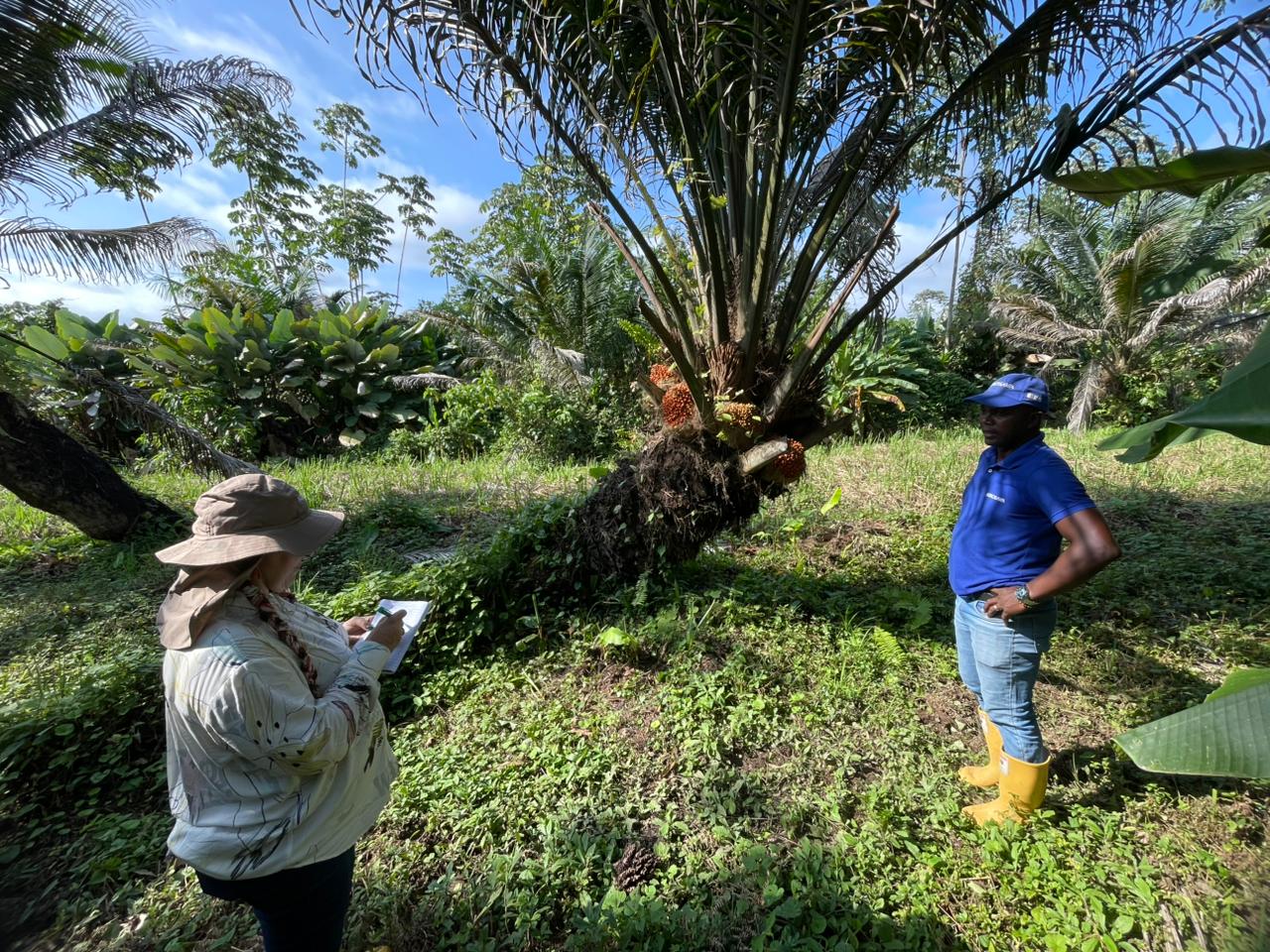
For AGROSAVIA, the process began with a national conversation. Researchers convened and consulted farmers, scientists and other stakeholders to identify opportunity crops that can deliver both conservation and development benefits. From an initial list of more than 80 potential crops, stakeholders narrowed the focus to two: peach palm and chayote.
Both crops reflect Colombia’s cultural and ecological richness. Peach palm is known locally as chontaduro, a bright orange fruit commonly sold by street vendors and featured in many regional dishes and traditions of Colombia’s Pacific coast. Chayote, a climbing vegetable commonly grown in gardens and small farms, is another familiar ingredient, especially in Colombian Andean kitchens.
To better understand how these crops move from farms to plates, AGROSAVIA and partners are also examining their value chains and food environments. One year after initial consultations, key insights were discussed with national stakeholders to analyse findings from fieldwork conducted in San José del Palmar, Cartago and Palmira. These are the regions where peach palm and chayote are produced and consumed.
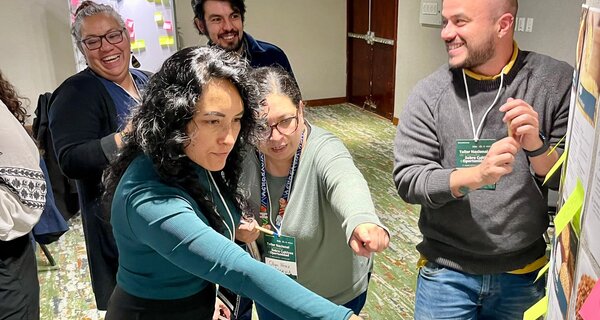
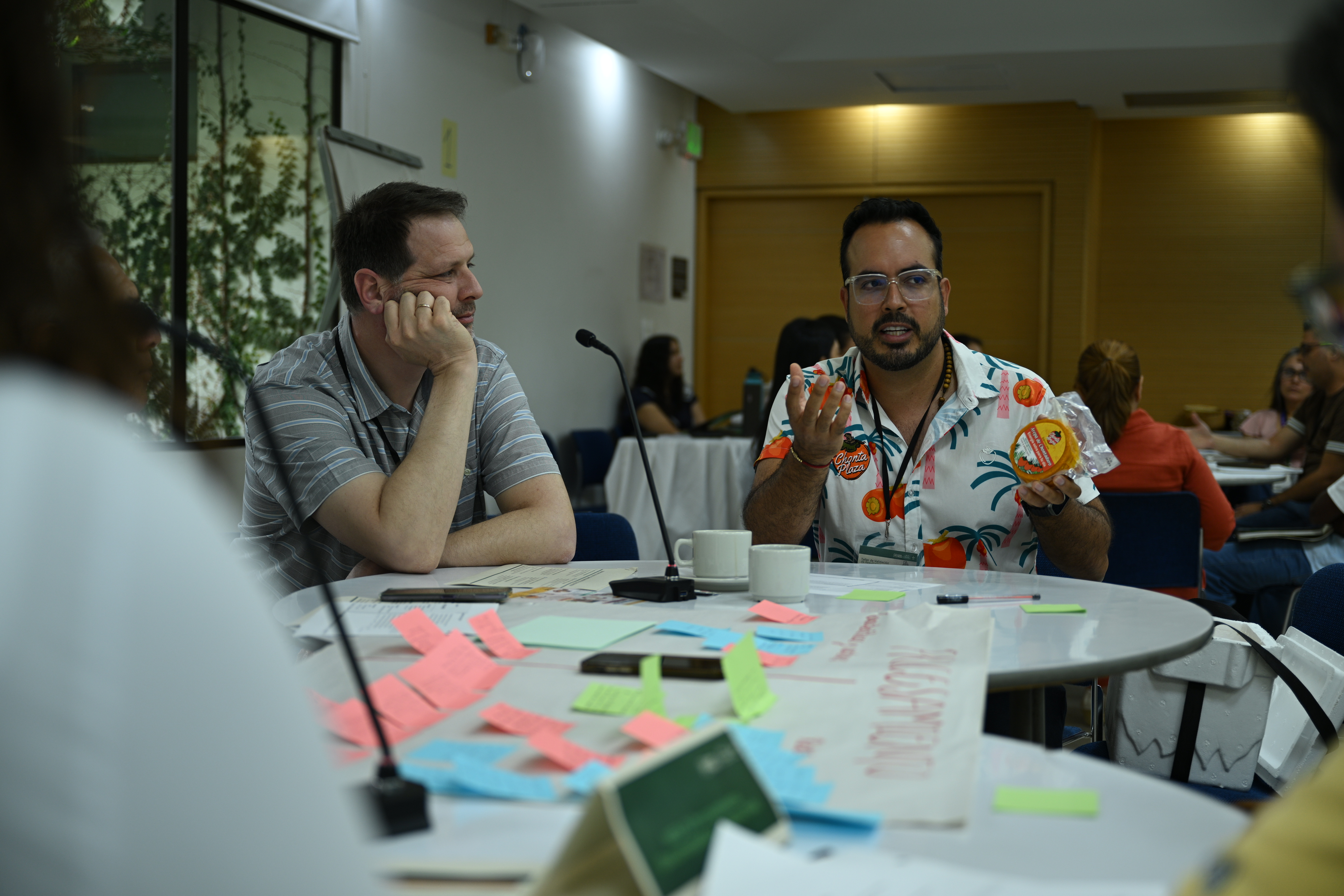
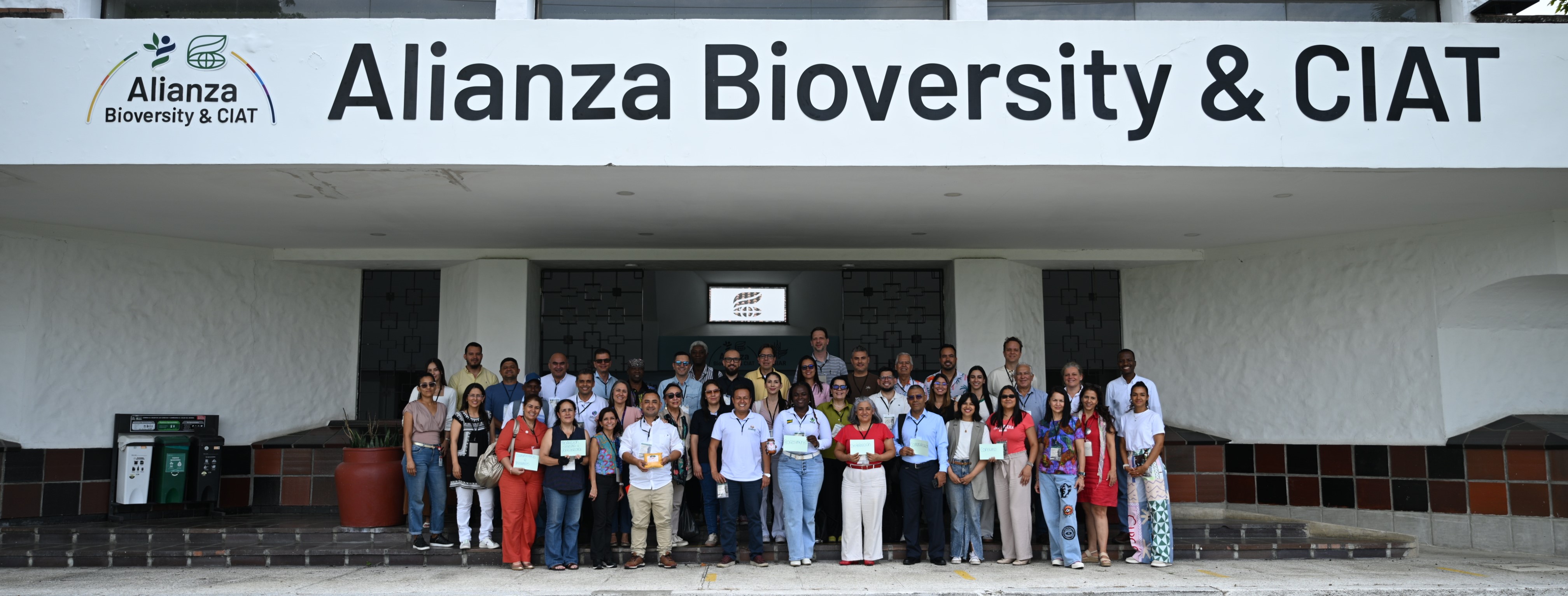
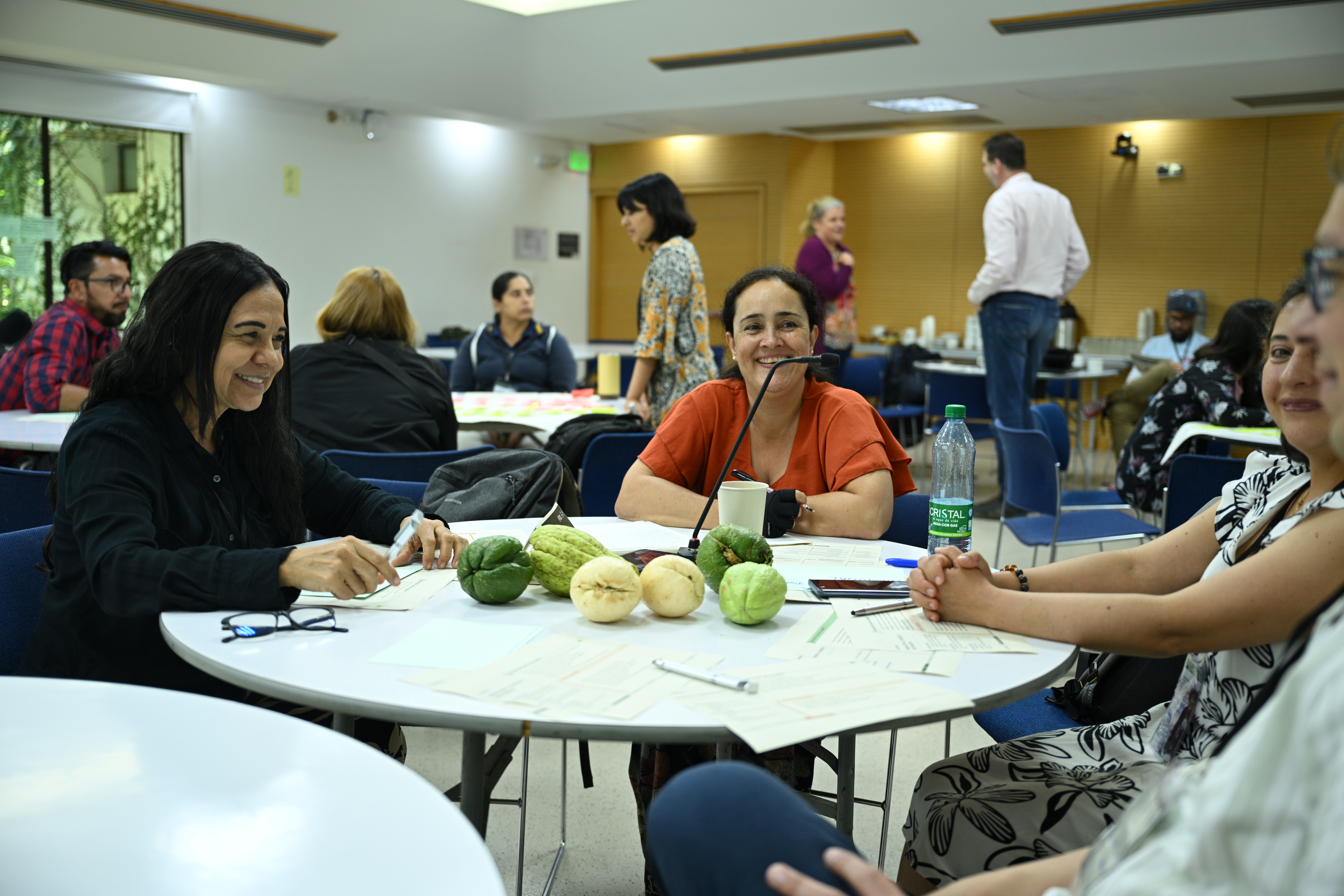
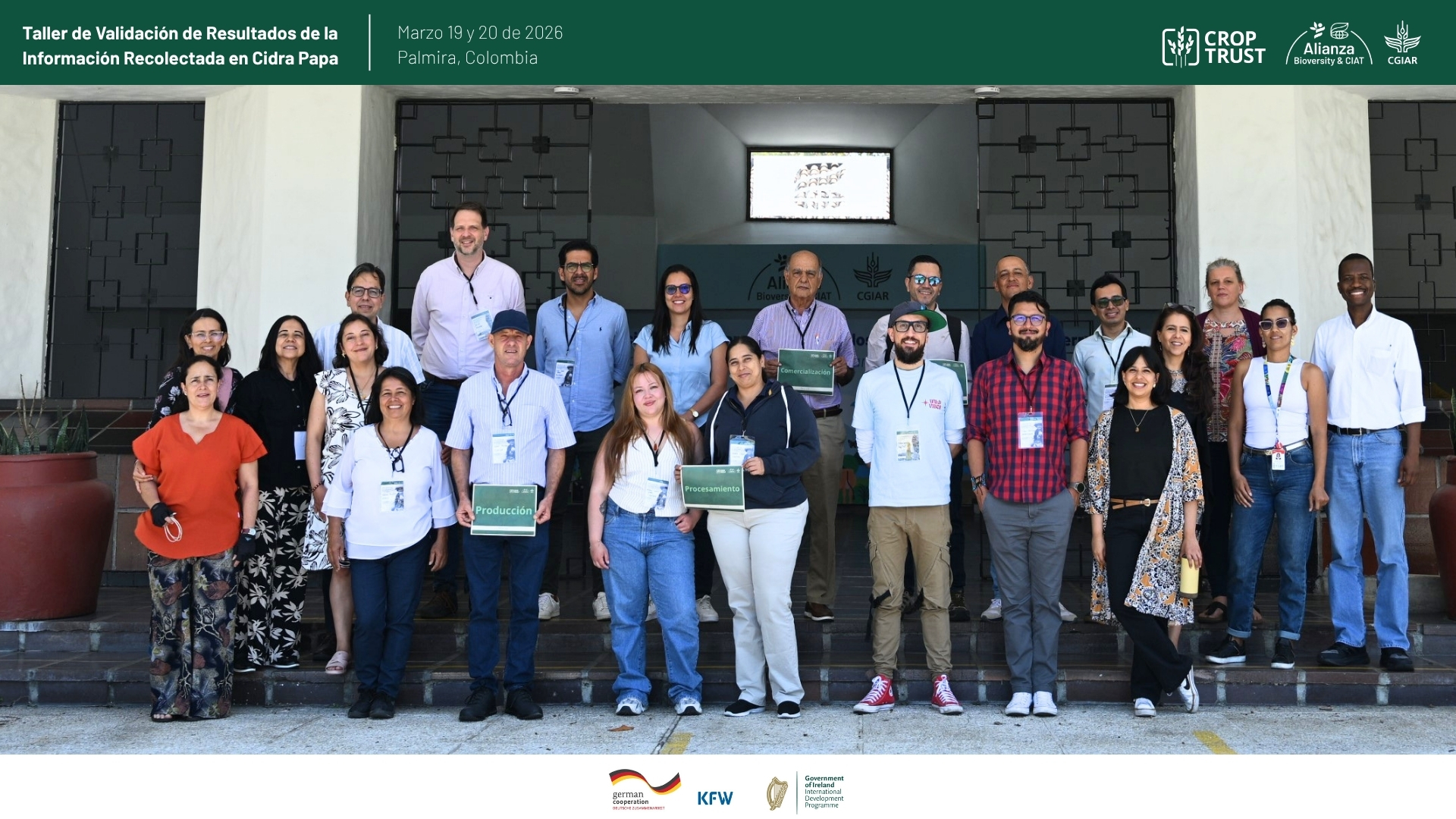
Workshops on peach palm and chayote organized by the Crop Trust and project partner the Alliance of Bioversity International and CIAT brought together farmers, researchers, market actors and policymakers, to validate findings of the analyses. This helped build a clearer picture of the national context, strengths and opportunities for future investment. Challenges were often shared – from pest and disease management and high transport costs to fluctuating prices and low market recognition. All of which can limit competitiveness.
Participants also discussed opportunities to add value. Products such as chips and bread stood out, highlighting the broader potential of these crops in gastronomy and agroindustry. For chayote, stakeholders recognized that efforts remain at an early stage – especially in positioning the crop as a “superfood” or industrial input. The workshop expanded awareness of its diversity and uses. Overall, these discussions laid a foundation for new partnerships, while underscoring that unlocking the potential of these crops will require coordinated action across the entire system.
Closing the Conservation Gaps
When AGROSAVIA scientists began analysing how much of this crop diversity is actually safeguarded in genebanks, they uncovered two very different conservation challenges.
For chayote, the discovery was striking. Although the crop is widely cultivated and consumed, no samples are currently conserved in the national genebank. Its diversity survives almost entirely in farmers’ fields and home gardens. This means that every variety remains vulnerable and could disappear without being documented or secured for the future.
Under the Power of Diversity Funding Facility, AGROSAVIA is preparing to start a chayote collection. The work will involve identifying diverse varieties across the country, documenting them and collecting samples for long-term conservation.
Peach palm is a bit different. Around one-third of the crop’s diversity is currently safeguarded and shared through genebanks in Colombia. The remaining two-thirds are only found in farmers’ fields, where they face pressures from pests, land-use change and climate stress.
Expanding the peach palm collection will help secure this diversity before it is lost, which ensures that breeders and farmers can continue to benefit.
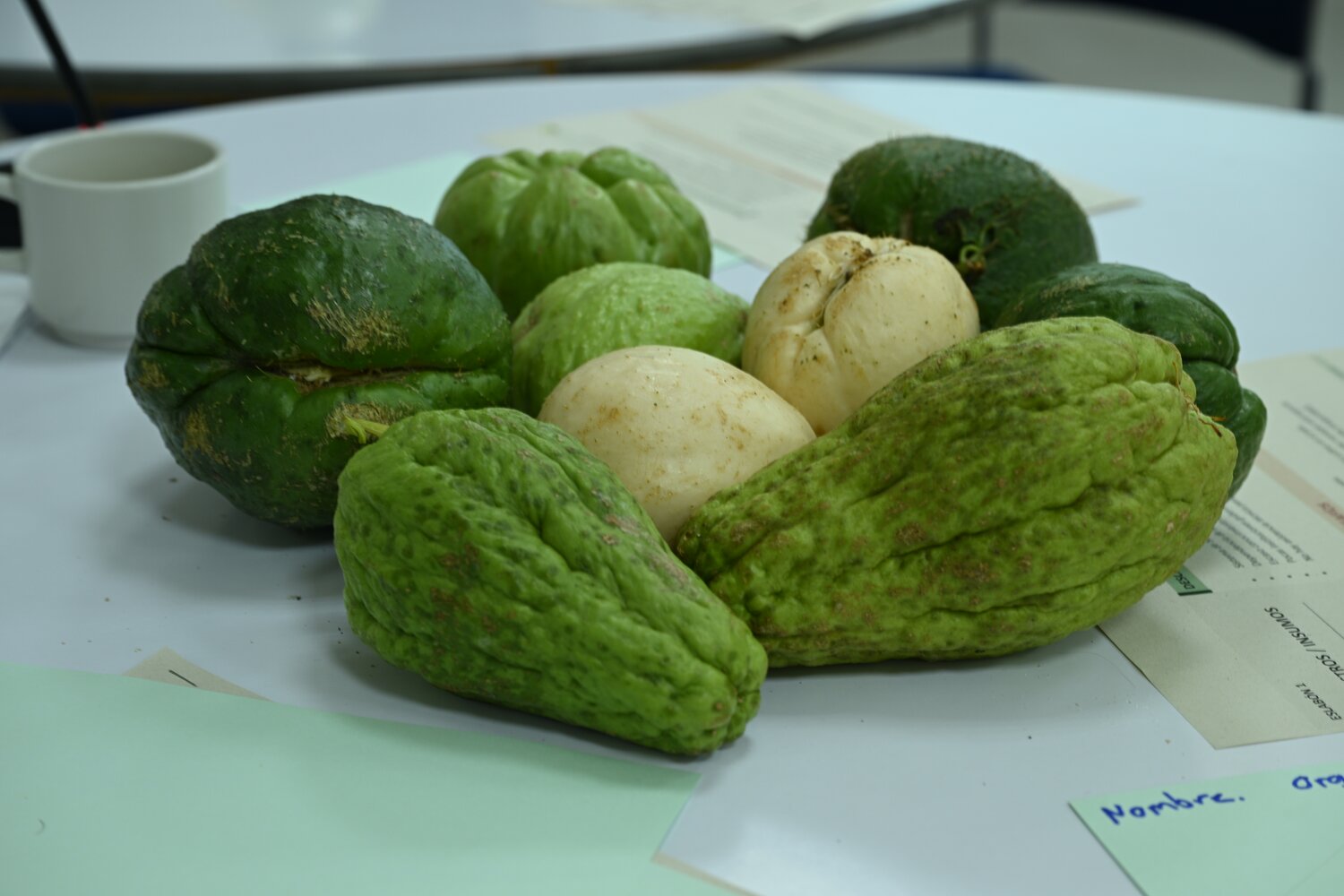
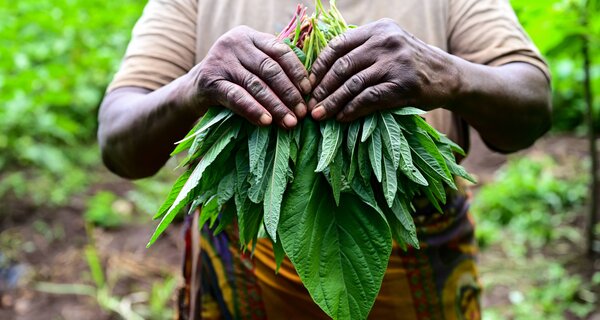
Chayote is a climbing vegetable commonly grown in gardens and small farms. Photo: Alliance of Bioversity International and CIAT
Collaboration on Conservation
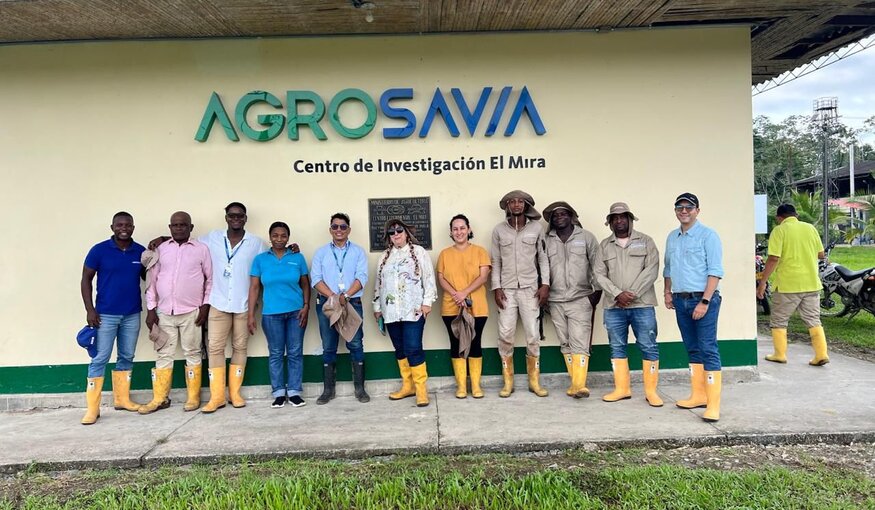
The Power of Diversity Funding Facility also enabled AGROSAVIA to take the key step of opening its genebank to an external technical review.
The review was coordinated by the Crop Trust in late 2025 to assess the genebank’s facilities, operations and data systems. The review gave AGROSAVIA high marks in managing its collections across seedbanks, in vitro laboratories and field collections.
“AGROSAVIA has strong foundations in leadership, physical security, advanced digitalization and international partnerships,” said reviewer Dr Marise Borja. “The AGROSAVIA genebank has the potential to become a model of efficient, sustainable and digital conservation.”
“The review confirmed the strength of our facilities, processes, phytosanitary management and data systems. Even in remote locations we meet international standards thanks to Crop Trust digital tools like GRIN Global Community Edition,” shared Dr Hugo Rodolfo Jiménez Sabogal, Coordinator of Biological Resources at AGROSAVIA.
Those recommendations are already guiding the next phase of improvements, includingupgrades in infrastructure, operational processes and documentation. These investments will help to better safeguard the collections and enhance their availability for research, breeding and agricultural development.
According to Dr Janny van Beem, Quality Management System (QMS) expert with the Crop Trust, collaboration is focused on meeting the highest genebank standards while ensuring that limited resources are used as effectively as possible. This is a challenge shared by many national genebanks around the world.
In April 2026, Crop Trust and AGROSAVIA scientists are launching a ‘QMS Intensive’ to ensure the genebank is on the right track. The Intensive is a focused capacity-building program that supports QMS to ensure genebank protocols and practices are in place and in use.
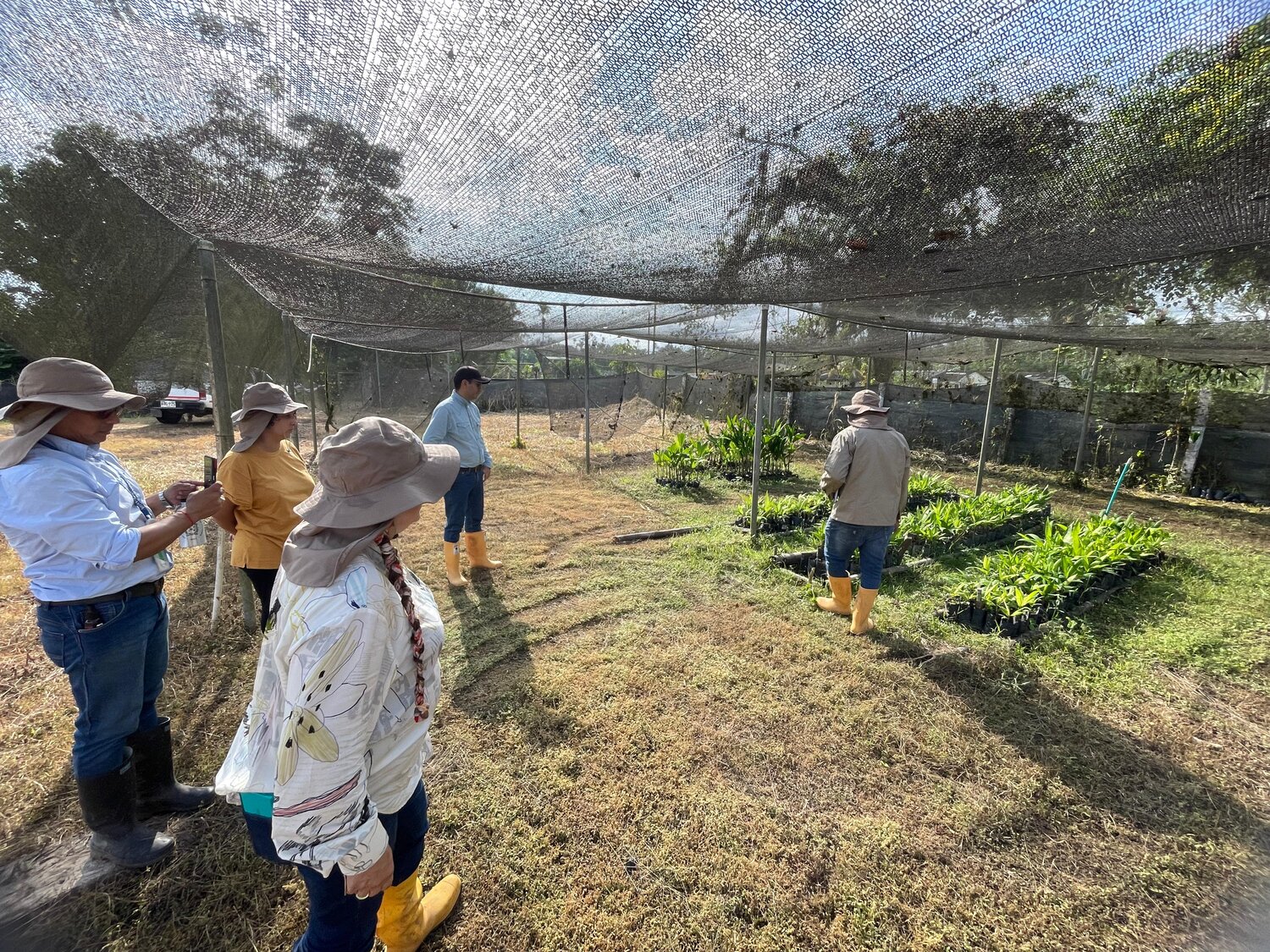
AGROSAVIA field genebank
Field Genebanks in Focus
Looking ahead, the Funding Facility will also help address another crucial challenge – supporting field genebanks.
Unlike seeds that can be safely stored in cold storage, some crops – especially perennial and clonally propagated species – must be conserved as living plants in orchards or field collections. Field genebanks require constant maintenance and are vulnerable to pests, diseases and extreme weather. Improving how field genebanks are managed with a focus on resilience is therefore a key priority.
For AGROSAVIA, the external review and subsequent improvements also reinforced an important lesson. “Conservation is not enough. We must conserve for use, even in field genebanks,” said Dr Carolina González, Head of the AGROSAVIA Agrobiodiversity Department.
Looking to the Future
Over the coming years, the Power of Diversity Funding Facility will help AGROSAVIA act on these insights. Collecting missions planned for 2026 will begin documenting chayote diversity and expanding the peach palm collection. At the same time, improvements in genebank management will ensure that the crop diversity conserved today remains accessible for decades to come.
For the global effort to conserve crop diversity, Colombia’s experience offers a powerful reminder. Sometimes safeguarding the future of food begins with looking more closely at the crops already growing quietly in people’s gardens.
Categories: Power of Diversity, Food Security
Related Articles