Exploring What the Age of AI means for Genebanks
24 April 2026
AI is transforming business and society. Companies are scrambling to integrate it into business models and governments are using it across departments. It is transforming workplaces and classrooms with record investment set to proliferate AI even further and faster. With digital technology already reshaping agriculture, how can we use AI and other new technologies to secure the future of food for all?
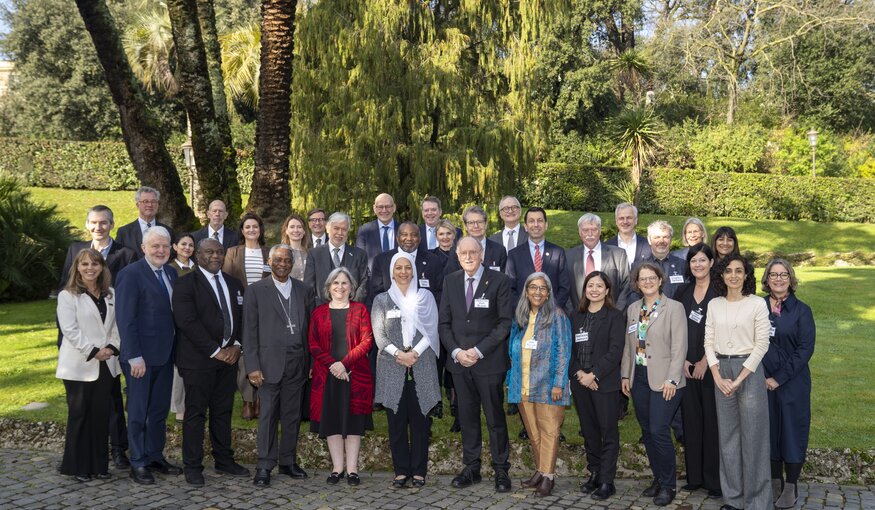
This question framed discussions at the Conservation and Use of Crop Diversity in the Bio-Digital Age workshop hosted by the Pontifical Academy of Sciences and the Crop Trust in Vatican City, where scientists, policymakers and practitioners examined what this new age of AI means for genebanks.
AI and other emerging technologies have great transformative potential,” said Dr Stefan Schmitz, Executive Director of the Crop Trust. “They are becoming a game-changer for genebanks, increasing both their relevance and operational capacity.
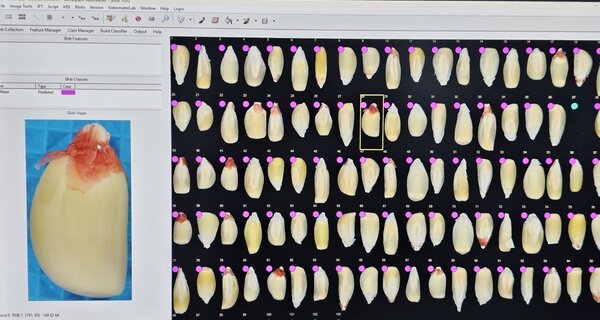
Advances in AI and genomics are already changing how crop diversity is conserved, understood and used. Researchers can now characterize crop diversity faster and with far greater precision. Useful traits such as tolerance to drought, pests or disease can be identified directly from genetic data, alongside predictions of how different seeds perform under different conditions.
Moving forward, AI can help guide breeding decisions, improve modelling and simulations, and help match specific genetic material to real-world challenges.
As reflected in the workshop’s final statement, these advances “promise to accelerate plant breeding and to facilitate the strategic deployment of crop diversity” in response to climate challenges and food system pressures. Genebanks can play a vital role in the practical application of AI, genomics and other advanced technologies for food security, turning them into active engines of agricultural innovation.
Professor Joachim von Braun, President of the Pontifical Academy of Sciences and Executive Board Member of the Crop Trust, explained, “AI agents can help design programs and algorithms that speed up the search through genebank collections and identify patterns that the human eye might miss. This would take ages in lab work. Also, AI could help identify promising crop combinations for multicroppings.”
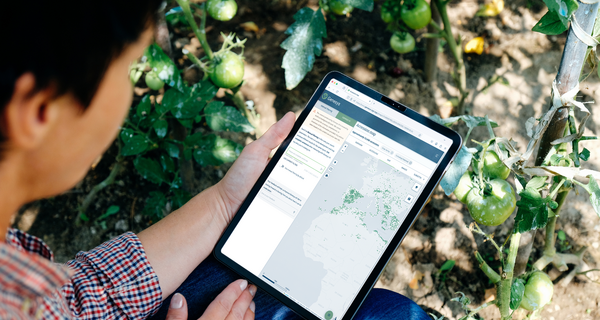
The Crop Trust is already harnessing the power of AI – from Genesys AI helping users navigate over 4 million records of seed samples in genebanks worldwide to exploring the potential of AI to predict risks to crop diversity. This is only a small part of the potential for AI to improve crop diversity conservation and use.
One main barrier to deploying these new technologies in genebanks is capacity. Many lack infrastructure, funding and technical capacity to generate, integrate and analyze large-scale data. Realizing the benefits of the bio-digital age will require sustained investment in sequencing technologies, data systems and open-access platforms.
The workshop participants agreed that collaboration is key to overcoming challenges and realizing the potential of AI, genomics and other innovative technologies for safeguarding and using crop diversity. The Crop Trust will continue efforts to digitize genebanks and leverage new technologies to strengthen the global genebank system. The Statement from the workshop is a clarion call for more partners to join together and collaborate to help secure the future of food, forever.