Five Ways Africa’s Opportunity Crops Can Shape the Future of Food
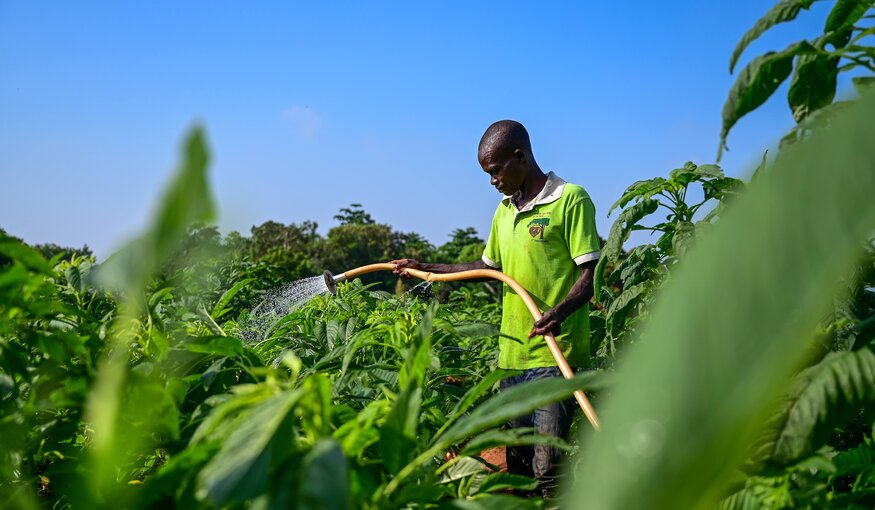
Opportunity crops such as amaranth are emerging as powerful tools to shape tomorrow’s food system. Photo: Neil Palmer/Crop Trust
9 December 2025
Africa’s population is set to double by 2050, with cities absorbing most of that growth. At the same time, diets are changing, climate shocks are intensifying and policies still favor a few major crops. Against this backdrop, opportunity crops – nutritious, resilient and rooted in tradition – are emerging as powerful tools to shape tomorrow’s food systems.
Earlier this fall, the Crop Trust gathered genebank and food systems experts, policymakers, donors and researchers for the panel discussion “Opportunity Crops: A BOLDER Approach to Food Security”. This provided a space to share experiences, ideas and plans to promote and support opportunity crops for the future of food security in Africa.
We collected five big takeaways.
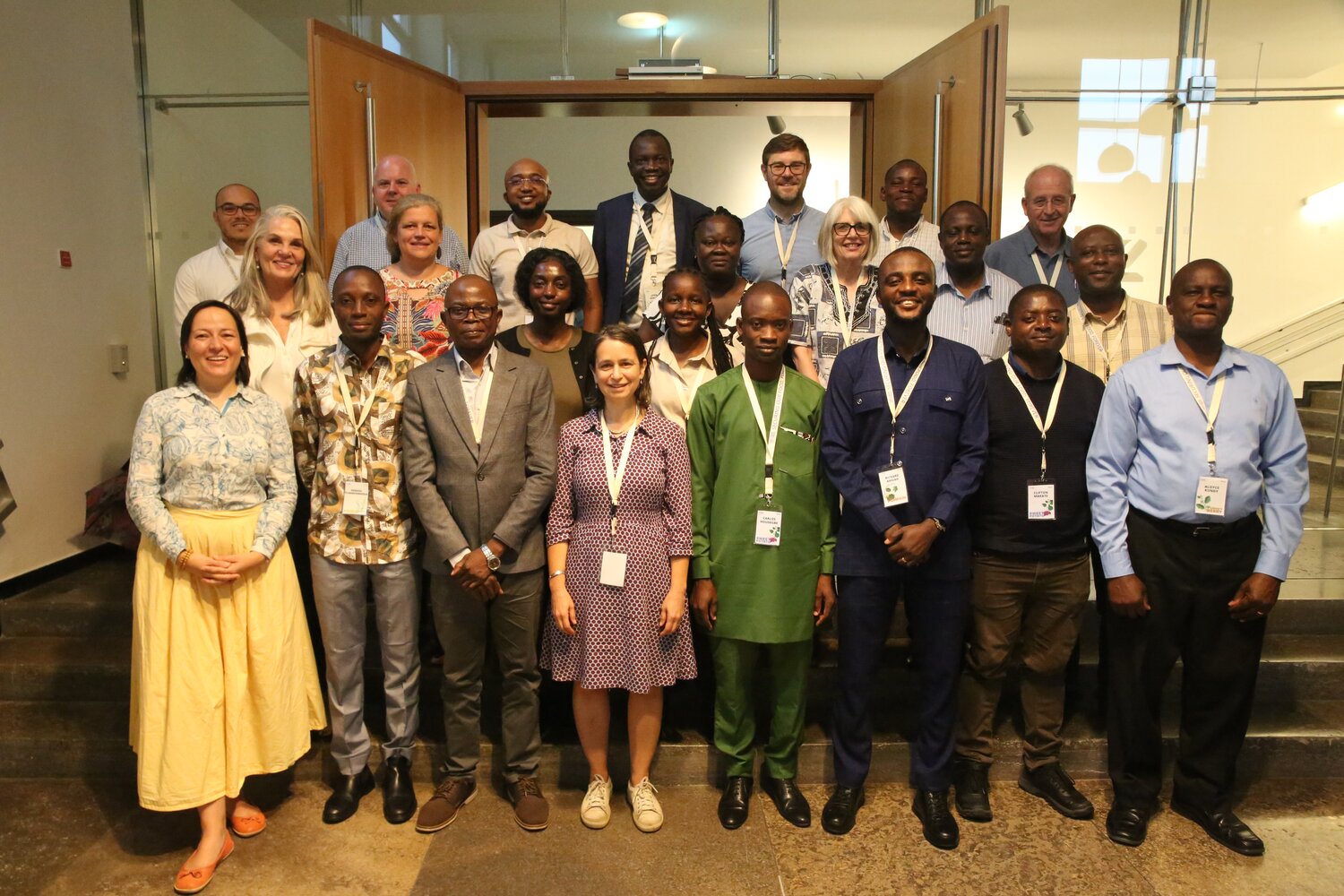
Scientists at the “Opportunity Crops: A BOLDER Approach to Food Security” workshop. Photo: Luis Salazar/Crop Trust
#1 - Forgotten Foods are Future Diets
The opportunity crops that have sustained African communities for centuries are being brought back into mainstream food systems.
These crops can fill your belly and satisfy nutrient requirements, shared an expert from Ghana. Agriculture economist at the World Vegetable Center, Dr Mercy Mwambi, backed this, explaining that increasingly health-conscious consumers in Tanzania are willing to pay more for products that contain nutrient-dense opportunity crops, such as pumpkin bread, amaranth baby flour, or cakes made from finger millet.
Many countries in Africa face a triple burden of malnutrition – undernutrition, obesity and micronutrient deficiency. Dr Celine Termote, an expert from The Alliance of Bioversity International and CIAT, shared that food is more than just the sum of its nutrients, it's also a health protective factor. Opportunity crops are a burgeoning solution to the triple burden of malnutrition as they can supply micronutrients, dietary diversity and other protective health factors. Dr Termote shared that people who diversify their diets can see immense health progress, showing a growing collaboration between health and agriculture sectors.
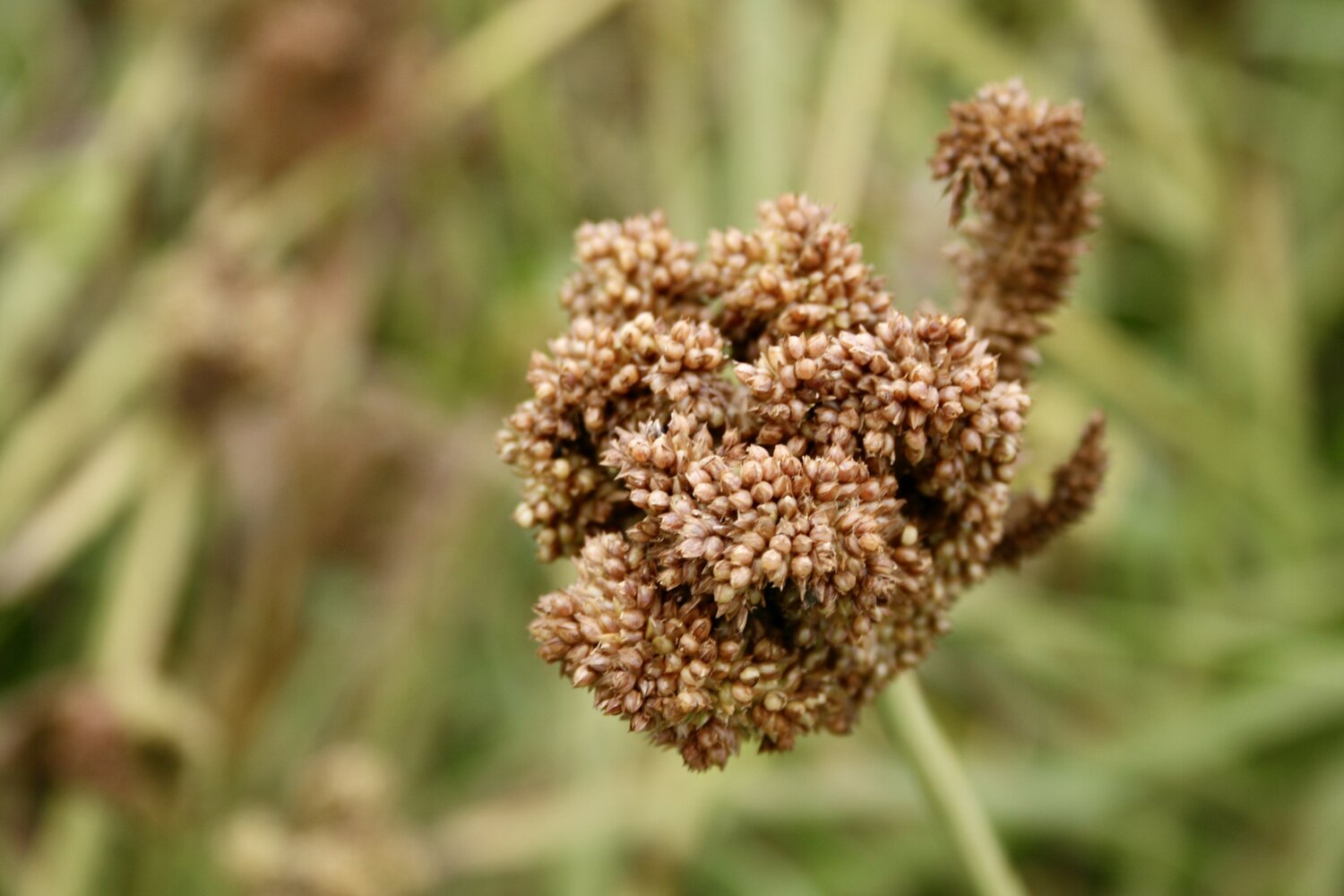
Finger millet. Photo: Britta Skagerfalt/Crop Trust
#2 - No Seed? No Future.
Around the room, experts agreed – mainstreaming opportunity crops starts with investment in structured, farmer-driven seeds systems.
Seed systems are the ways in which farmers get the seeds with the characteristics that meet their environmental and labor needs.
Current seed systems mostly offer farmers a few commercial crops. Researchers like Dr Kaue de Sousa are diversifying seed systems through the tricot participatory research. This empowers farmers to identify the most suitable technologies, including seeds, for the local conditions of their own farm. Researchers provide farmers with a variety of seeds of crops that they can’t get from the existing seed system. Farmers then select those with the traits they need, grow them and report back on their progress.
Dr John Adriko, Director of Research at National Forestry Resource Research Institute (NaFORRI-NARO) in Uganda, noted that crops like jackfruit haven’t yet risen to their full market potential because farmers can’t find seeds. For the nutritional benefits of opportunity crops to reach more people, investment should focus on solving that fundamental problem.
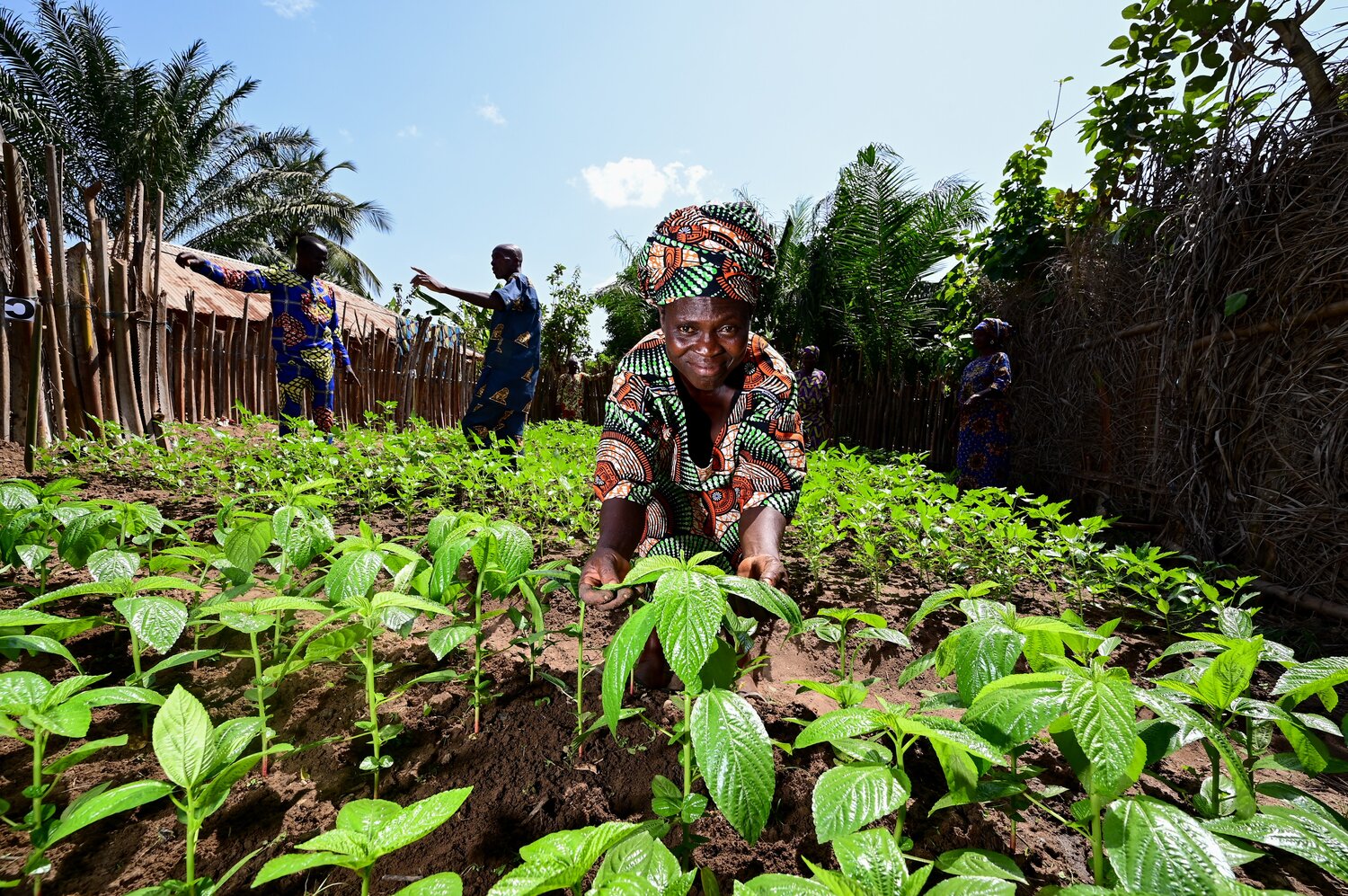
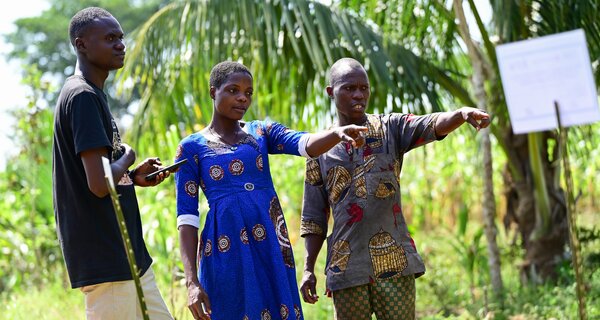
A farmer checks tricot trials of jute mallow at a village in Bonou, south-eastern Benin. Photo: Neil Palmer/Crop Trust
#3 - Women Safeguard Crop Diversity
Women across Africa have been growing opportunity crops for centuries because they recognize their nutritional and agricultural significance.
Without African women preserving seeds and knowledge of opportunity crops, and contributing their labor, African food systems would not be so diverse. Their efforts protect and promote crops like fonio, amaranth and pumpkin.
“Women are the gatekeepers of these crops,” said Dr John Adriko, citing women’s work with finger millet that increased the crop’s diversity efforts in Uganda.
Women are also a driving force in consumer markets. Remember the consumers in Tanzania willing to pay more for more nutritious products? Most of them are women, conscious of the health of their families.
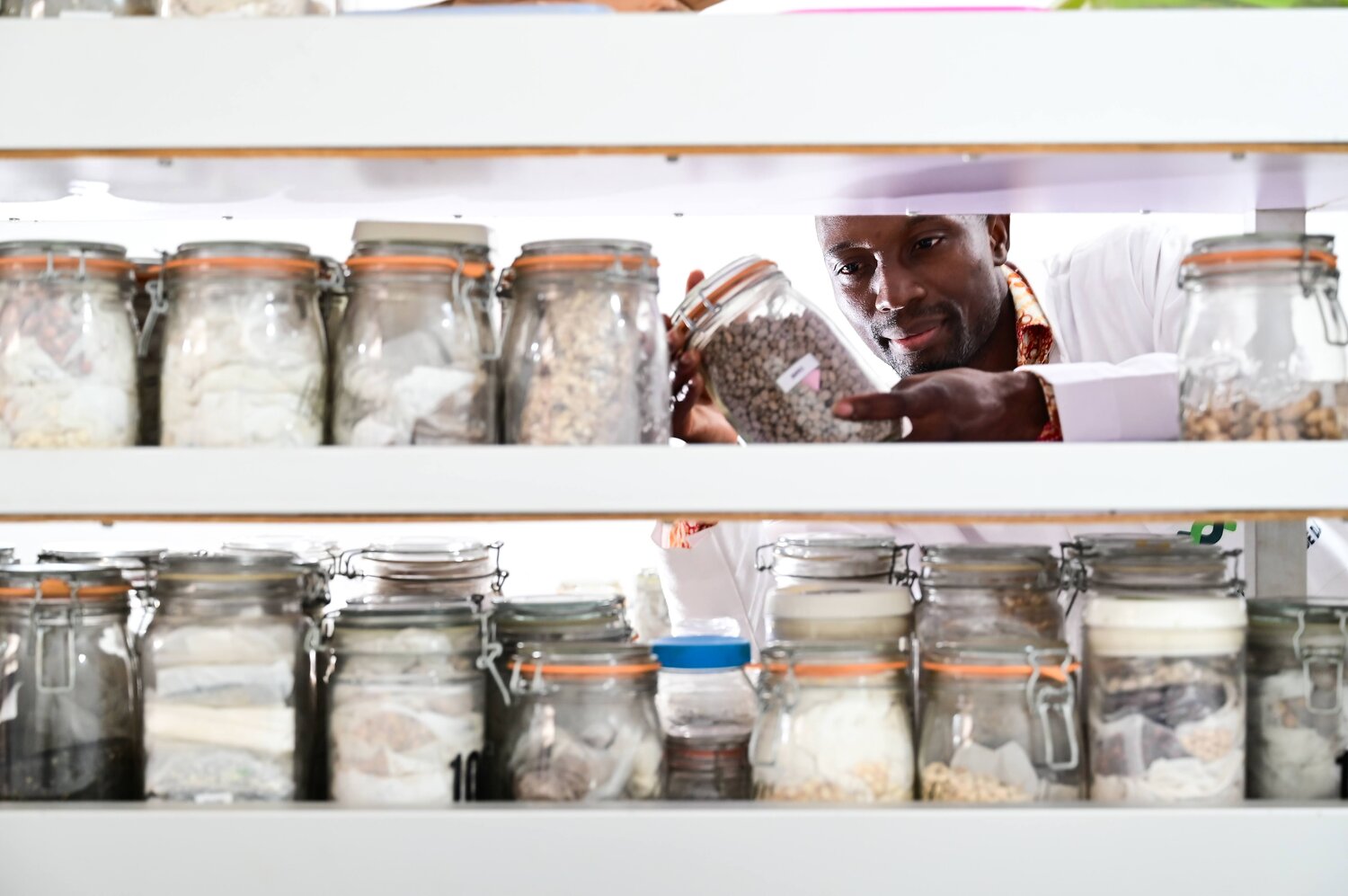
Dèdéou Tchokponhoué of the Laboratory of Genetics, Biotechnology and Seed Science at the University of Abomey-Calavi checks seeds conserved at the facility in Cotonou, Benin. Photo: Neil Palmer/Crop Trust.
#4 - Climate Resilience in Every Bite
As Africa faces increasingly extreme and unpredictable weather, people need crops that thrive in harsh conditions.
Dr Dèdéou Tchokponhoue, genebank manager at the University of Abomey-Calavi in Benin, underscored the importance of strengthening genebank work before climate instability intensifies. He explained how genebanks are now carrying out gap analyses, systematic reviews that identify crops and traits that are missing from collections, especially those that could withstand heat, drought or other extremes. By pinpointing these gaps, genebanks can adjust conservation priorities to better meet the needs of farmers, researchers and communities today and into the future.
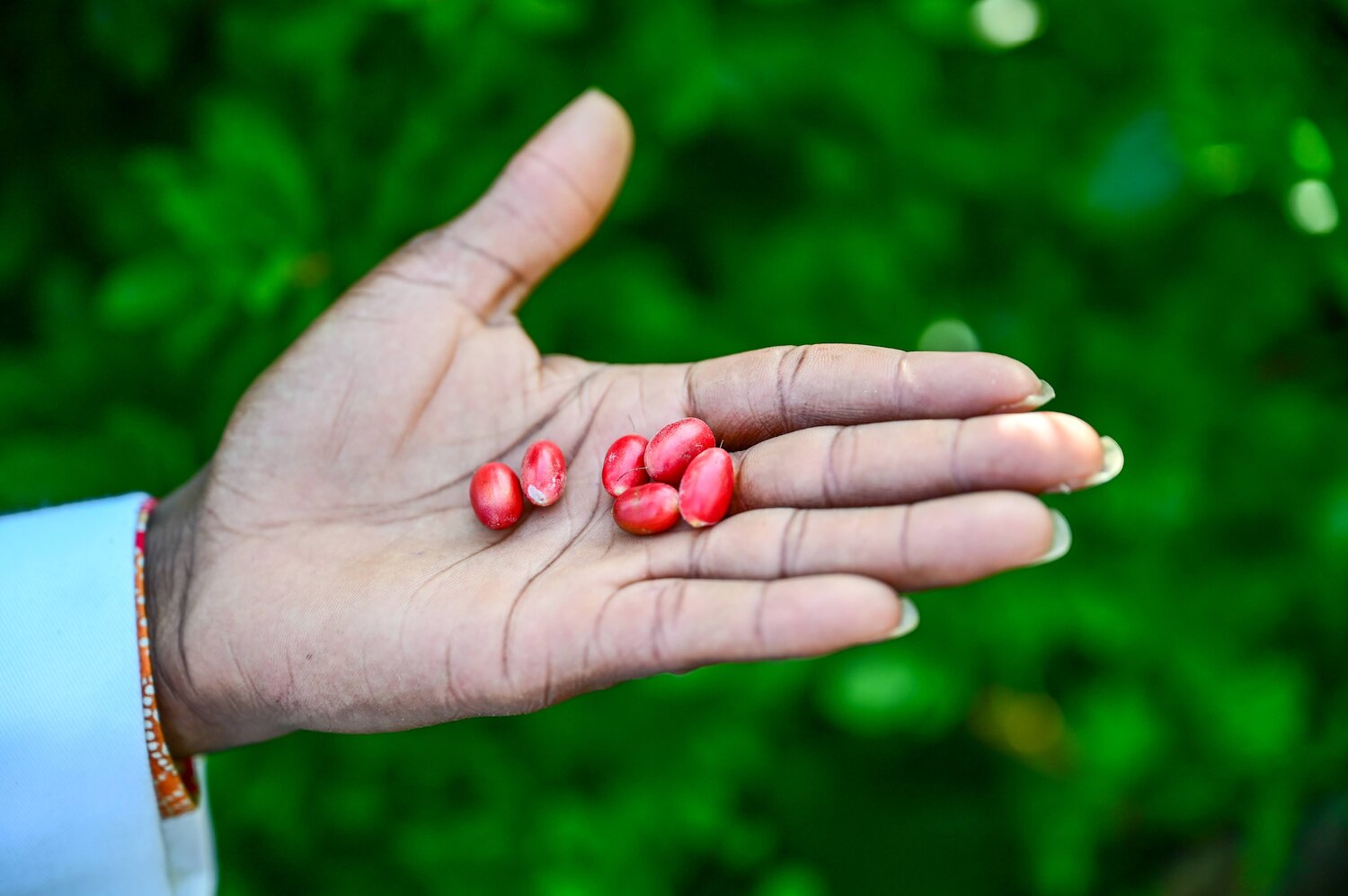
Miracle berry conserved at the genebank of the University of Abomey-Calavi in Cotonou, Benin. Photo: Neil Palmer/Crop Trust
#5 - Policy and the Politics of Food Security
Opportunity crops provide more nutritious and resilient options. Stronger policies can back them.
The Crop Trust’s Power of Diversity Funding Facility is already working toward this. “Transforming the food system is a big wheel we want to turn,” said Nico Wilms Posen, the Funding Facility Coordinator. The Facility will try to integrate scientific evidence into policy-making. The aim is to identify policy levers such as institutional procurement and subsidies that can mainstream nutritious foods into everyday diets through schools and hospitals.
Ultimately, investment is about reintegration of long-loved foods into diets and “celebrating the culture that comes with these crops.”
Seizing the Opportunity
The discussion on taking a BOLDER Approach to Food Security underscored a simple truth – we can only protect food forever if we work together. Bringing forgotten foods into future diets will require stronger seed systems, policies that champion these nutritious and resilient crops, and deeper engagement with the women who already cultivate and rely on them. The energy in the room made one thing clear – this transformation is possible, but only through collaboration and collective action.
Categories: For Partners, For Policymakers, Handouts, BOLD, Finger Millet, Food Security, Nutritional Security, Sustainable Agriculture