Five Ways Crop Diversity Delivered in 2025
24 June 2026
At the Crop Trust, we invest in crop diversity. But what does that mean, exactly?
In 2025, it meant securing thousands of seed samples for the future, supporting new climate-resilient crop varieties, helping farmers access healthier planting material and strengthening the systems that keep crop diversity alive and available worldwide.
From the Svalbard Global Seed Vault in the Arctic to farmers’ fields in Africa, Asia and Latin America, the Crop Trust and our partners worked to ensure crop diversity is secure and serves people and food systems.
Below are five examples from the Crop Trust Annual Report 2025. You can discover more stories, partnerships and successes from the last year in the full report.
1. More than 46,000 seed samples were secured in the Svalbard Global Seed Vault
In 2025, genebanks around the world deposited more than 46,000 seed samples into the Svalbard Global Seed Vault, bringing the total number of seed samples conserved to more than 1.37 million.
These deposits included rice from Vietnam, traditional African vegetables from Tanzania and first-time deposits from institutions safeguarding important national collections. Behind every deposit lie years of work regenerating, documenting and preparing seeds for long-term safety duplication.
At a time of growing climate and geopolitical uncertainty, these deposits strengthen one of the world’s most important systems for protecting the future of food.
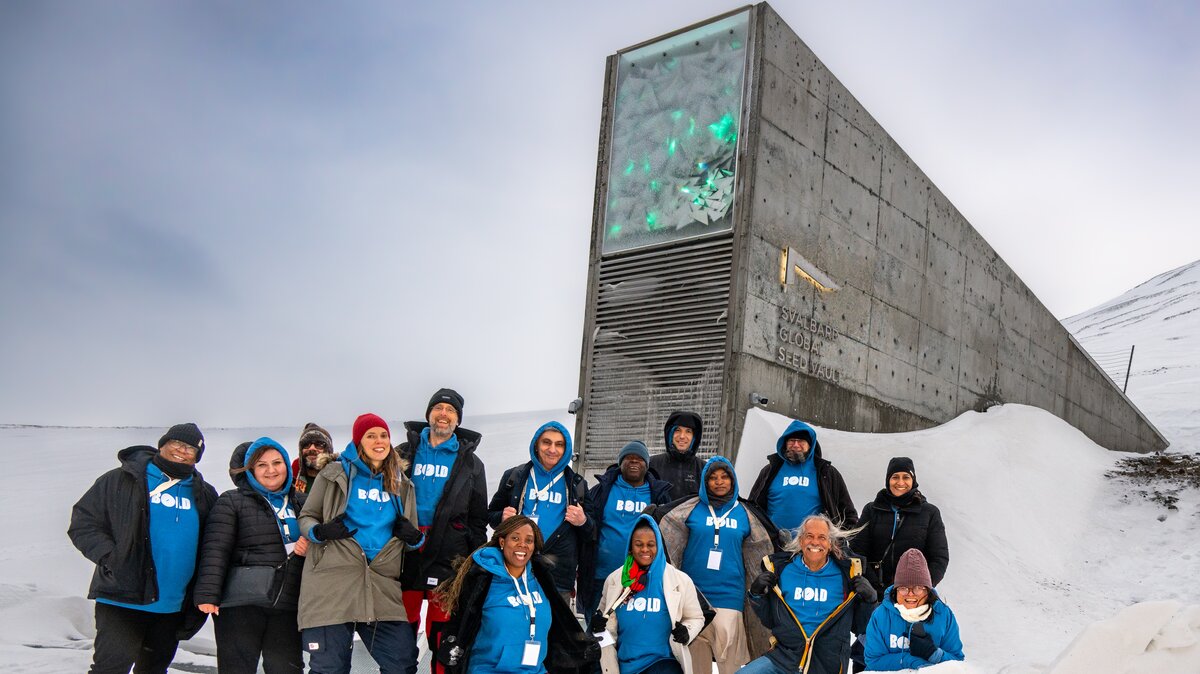
BOLD partners closing visit to the Svalbard Global Seed Vault, 24-26 February 2025. Photo: Michael Major for Crop Trust
2. Farmers in Madagascar and Zambia gained access to healthier sweetpotato planting material
In Madagascar and Zambia, more than 100,000 clean, disease-free sweetpotato vines were distributed to 355 farmers through a Crop Trust-led project funded by the Darwin Initiative.
The project collected more than 300 traditional sweetpotato varieties and secured many of them through cryopreservation at the International Potato Center in Peru. But conservation was only part of the story. The project also returned cleaned planting material back to farming communities, helping improve harvests, incomes and food security.
This work demonstrates how conserving crop diversity can create immediate benefits for farmers while protecting options for the future.
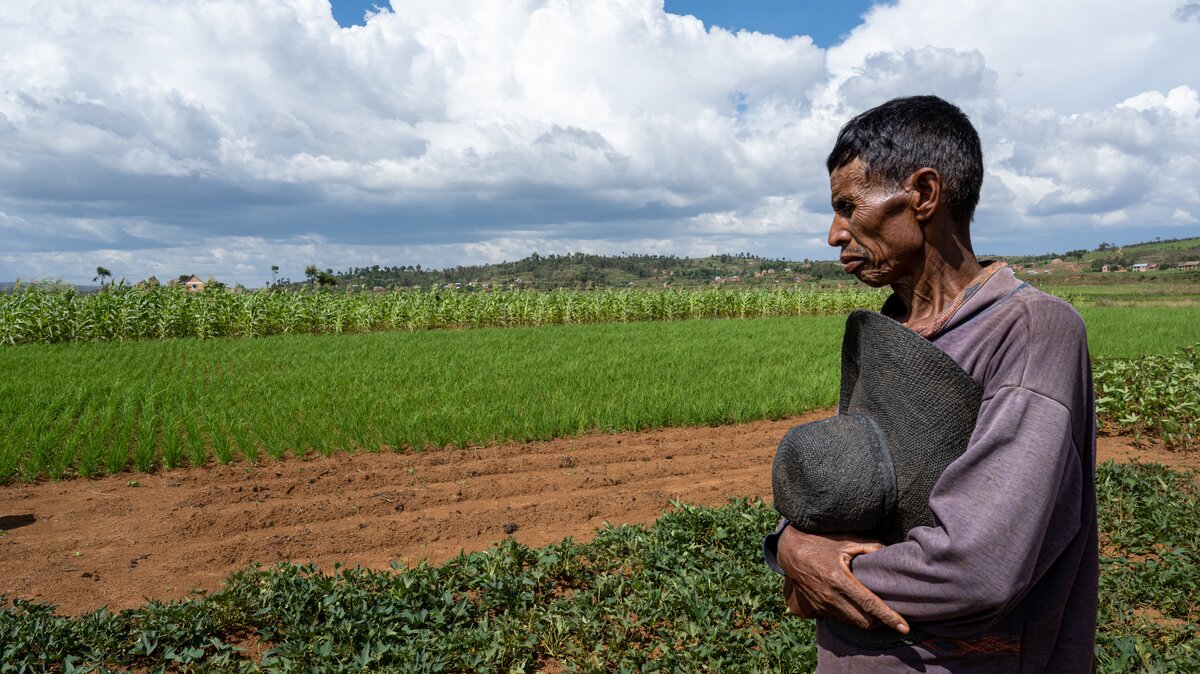
Farmer overlooking his sweetpotato patch, Madagascar Photo: Crop Trust
3. Opportunity crops gained momentum across Africa, Asia and Latin America
Across seven countries, more than 250 stakeholders came together to identify opportunity crops with strong potential for nutrition, resilience and livelihoods.
Countries prioritized crops deeply connected to local food systems – including fonio in Nigeria, finger millet in Kenya, peach palm in Colombia and minor yams in India.
This engagement marked a major milestone for the Crop Trust’s Power of Diversity Funding Facility, which is helping elevate crops that have long been overlooked by research and investment despite their importance for resilient food systems.
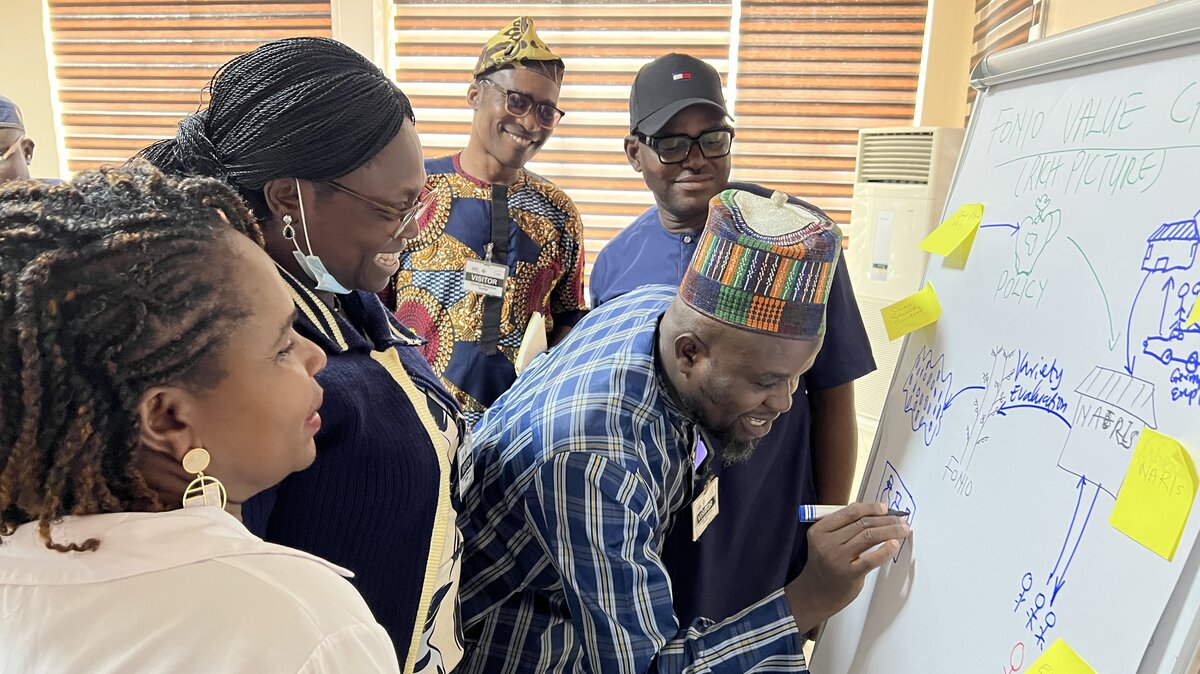
Stakeholders deciding opportunity crops. Photo: Marta Millere/Crop Trust
4. New crop varieties reached farmers facing drought and disease
Crop diversity is conserved to be used. In 2025, Crop Trust-supported partnerships through the BOLD project helped release new crop varieties adapted to real-world challenges. This included drought- and heat-tolerant alfalfa in Kazakhstan, a new durum wheat variety in Nigeria and a late blight-resistant potato variety for the Andes.
In Morocco, a new durum wheat variety demonstrated yield gains of more than 40 percent under severe drought conditions.
These advances are only possible because plant breeders continue to access the diversity conserved in genebanks worldwide.
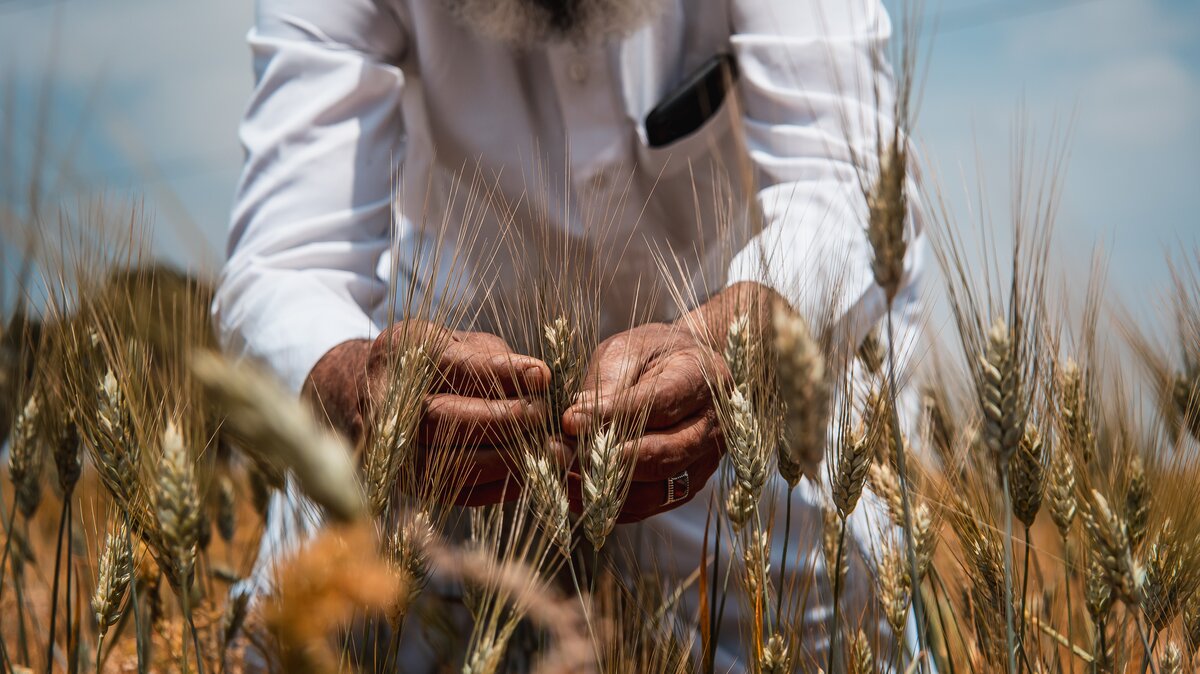
Farmer in Safi region examining a durum wheat plot planted on his farm with support from the BOLD Project. Photos: Ahmed Ismaili Crop Trust
5. Vegetable biodiversity gained global momentum
Vegetables often receive far less attention than staple crops, despite their importance for nutrition and resilient diets. In 2025, the Crop Trust and World Vegetable Center launched Vegetables4Life – a new initiative focused on rescuing, conserving and promoting vegetable diversity.
The initiative reflects growing recognition that future food systems must be more diverse, nutritious and resilient – and that crop diversity is not only something to conserve, but something to actively use.
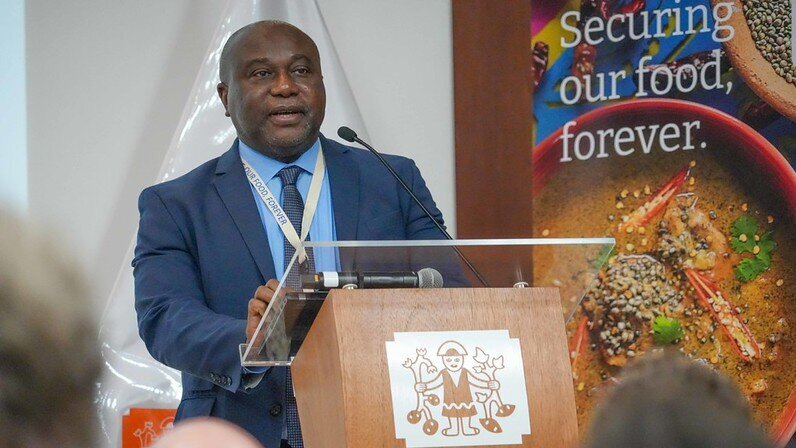
Secretary of the FAO International Plant Treaty for Food and Agriculture Dr. Kent Nnadozie speaking at Crop Diversity Day in Lima, Peru. Photo: Crop Trust
These stories are just a snapshot of what is possible when we invest in crop diversity. Every seed secured, every collection strengthened and every farmer reached helps build a stronger global system of genebanks – one that connects science with agriculture and local action with global impact.
Together with our partners, the Crop Trust is safeguarding and making crop diversity available for use, opening opportunities for innovation, resilience and better nutrition. By strengthening the global genebank system today, we are securing the future of food for generations to come.