New Countries and a New Crop Mark First Seed Vault Deposit of 2026
25 February 2026
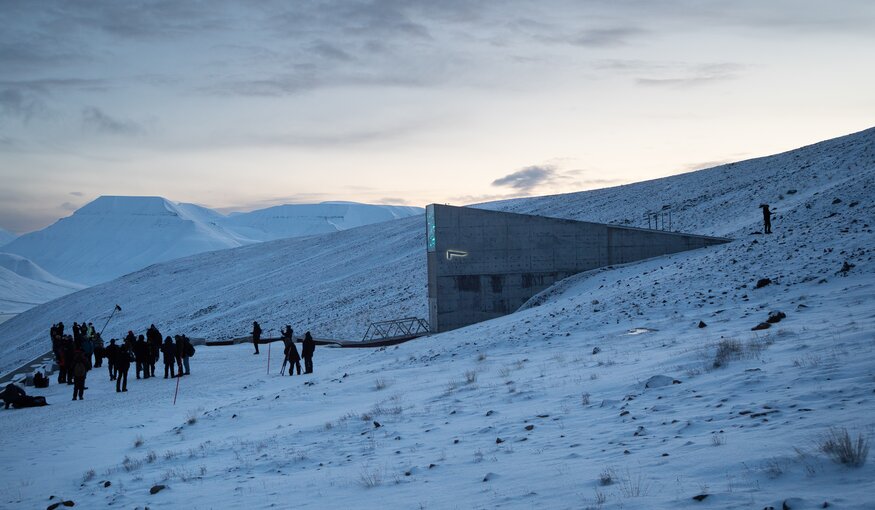
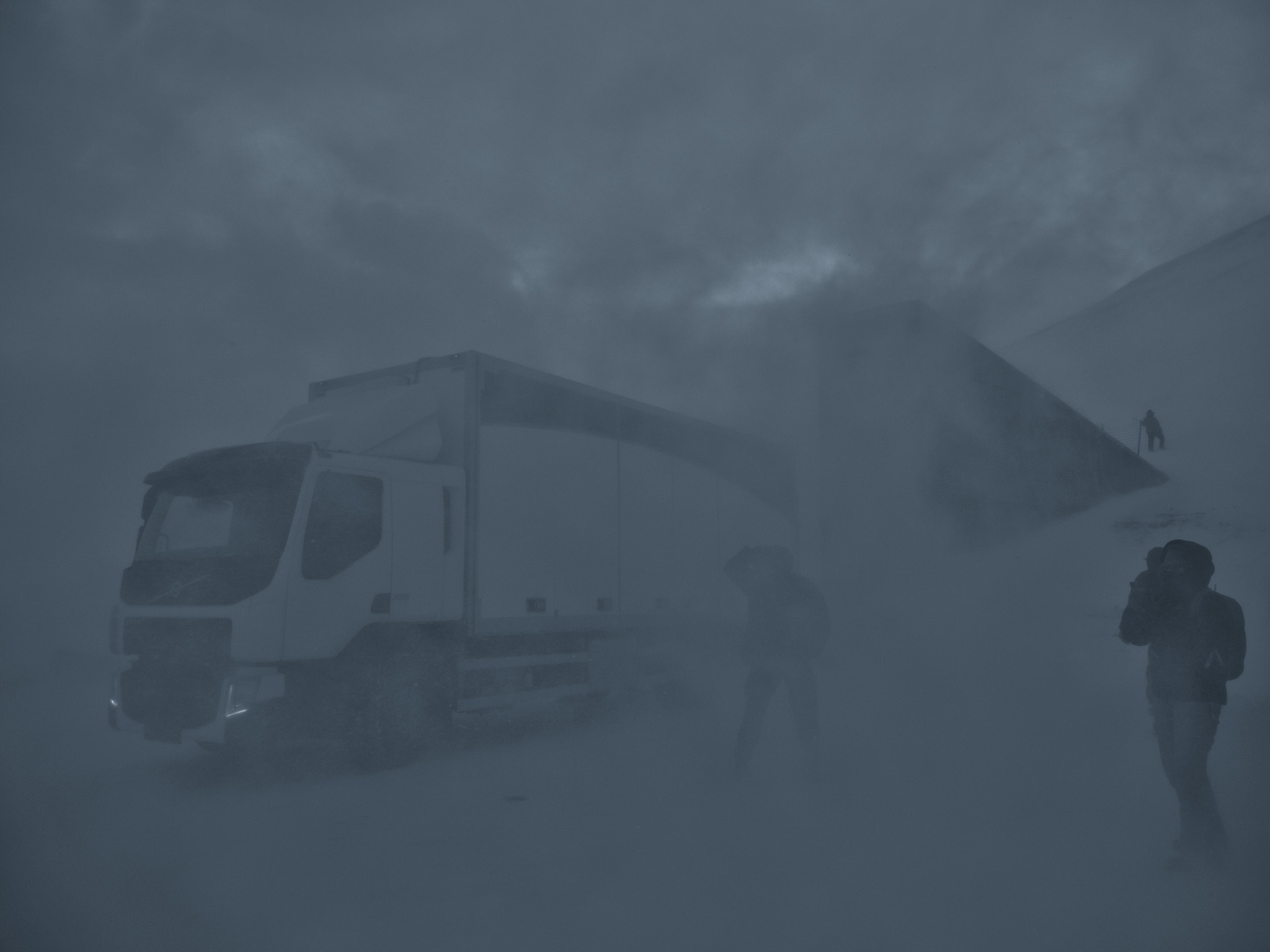
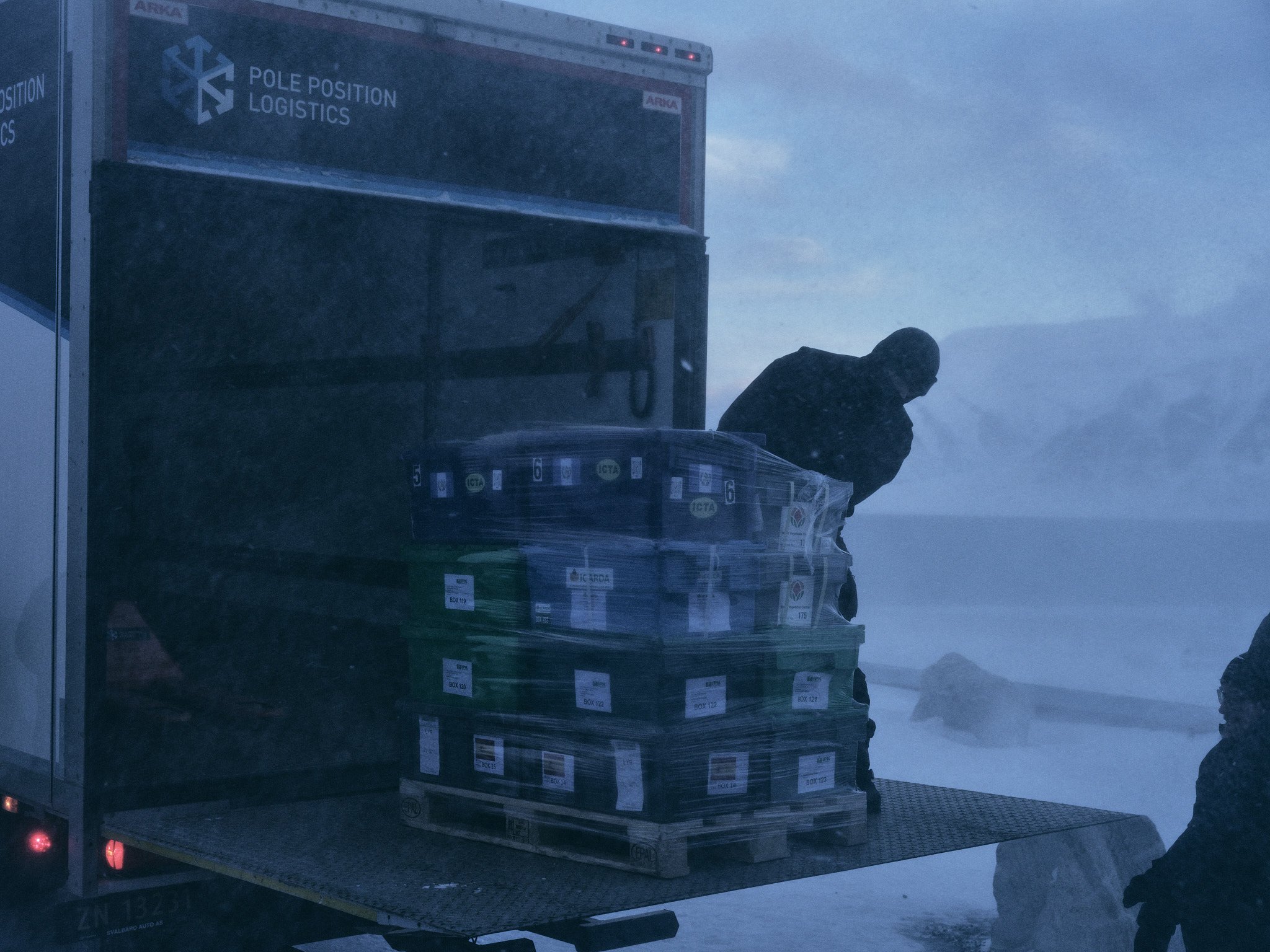
LONGYEARBYEN, NORWAY, 25 February 2026 – The Svalbard Global Seed Vault opened for its first deposit event of 2026 today. Seeds from two new countries, Guatemala and Niger, were deposited for the first time, and the Seed Vault received its first-ever deposit of olive seeds. In total, 7,864 seed samples from 10 depositors arrived for long-term safeguarding in the Arctic facility.
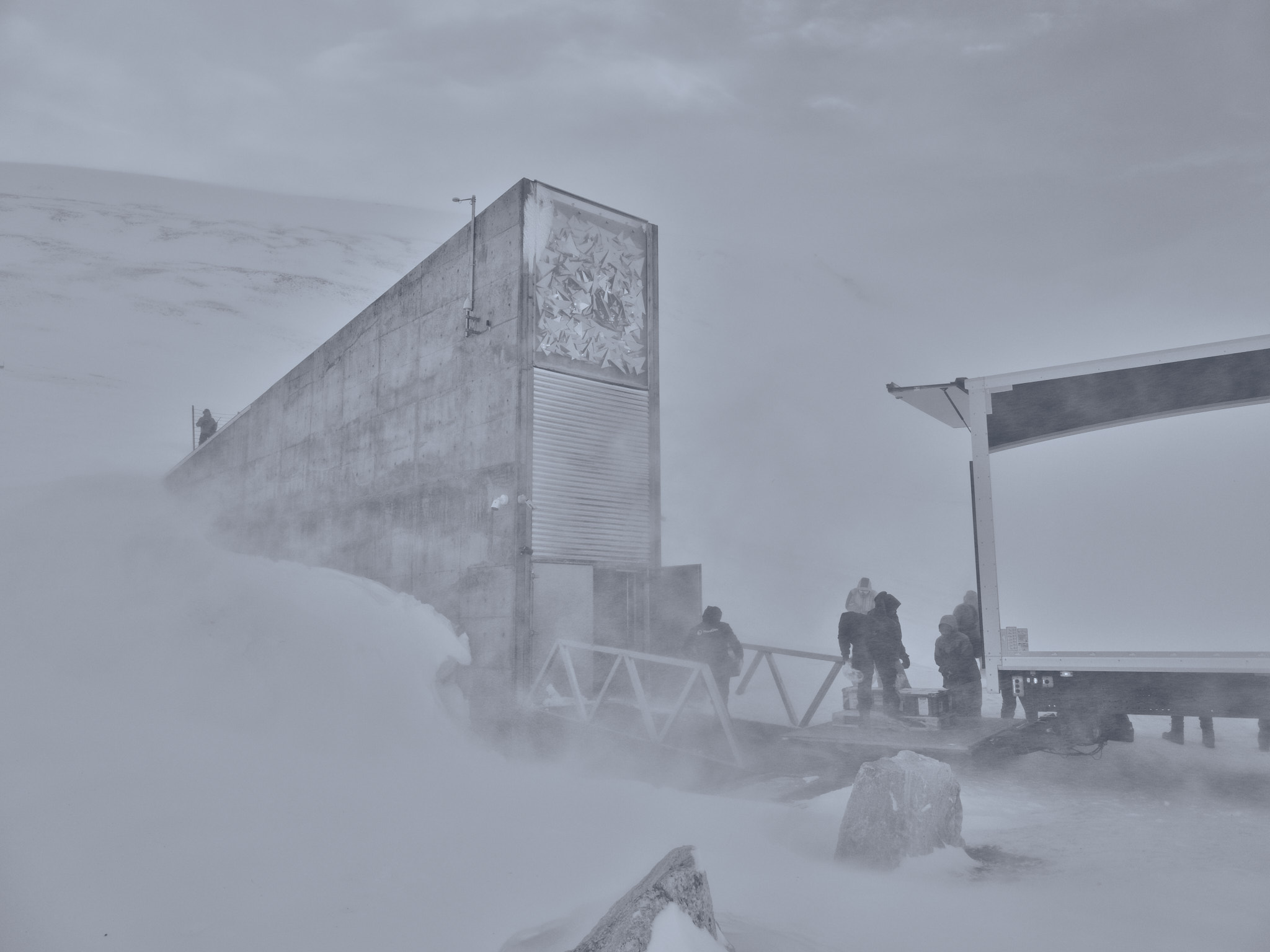
This 69th deposit brings the total of seed samples secured in the Seed Vault to 1,386,102. Located under permafrost deep inside a rocky mountain on the Norwegian island of Spitsbergen, the facility is managed by the Norwegian Government, the Nordic Genetic Resource Center (NordGen) and the Crop Trust.
The deposit brought together a mix of national genebanks, international research centres and community-linked collections. Seeds now backed up include:
- Cereals and legumes that are staples for millions of people across Africa
- Vegetables central to diets and nutrition worldwide
- Traditional crops and an ancestor of maize from local Indigenous farmers in Guatemala
- Olives, a crop whose fruit and oil have global nutritional, gastronomic, cultural and economic significance
Historic First
In a milestone for global conservation, the Olive Genebank of the University of Córdoba, part of the International Olive Council’s network of genebanks, brought olive seeds to the Svalbard Global Seed Vault for the first time.
The deposit included wild olive seeds from Spain and seeds of the 50 most important cultivated olive varieties worldwide, representing a significant portion of the world’s cultivated olive diversity. Bringing these seeds to Svalbard was a key outcome of GEN4OLIVE, a European research project led by the University of Córdoba.
“Local olive varieties are endangered by ageing of trees, low profitability of traditional olive groves and the spread of improved varieties that are easier to mechanize. Wild relatives may be even more threatened from rising temperatures and devastating fires in Mediterranean forests,” said Dr Concepción Muñoz Díez of the University of Córdoba.
New National Genebanks
National institutions from two new depositor countries sent seeds to Svalbard for the first time.
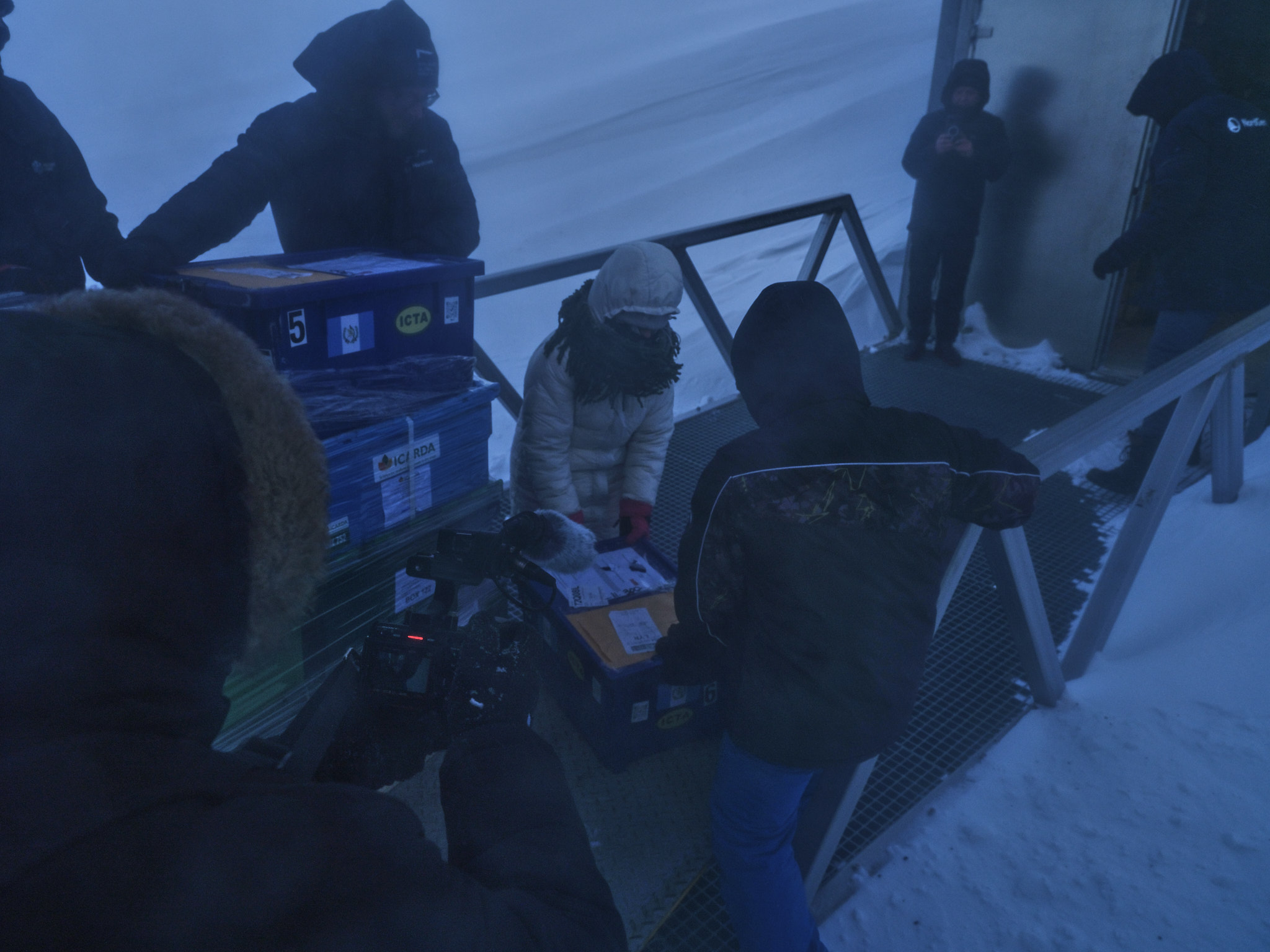
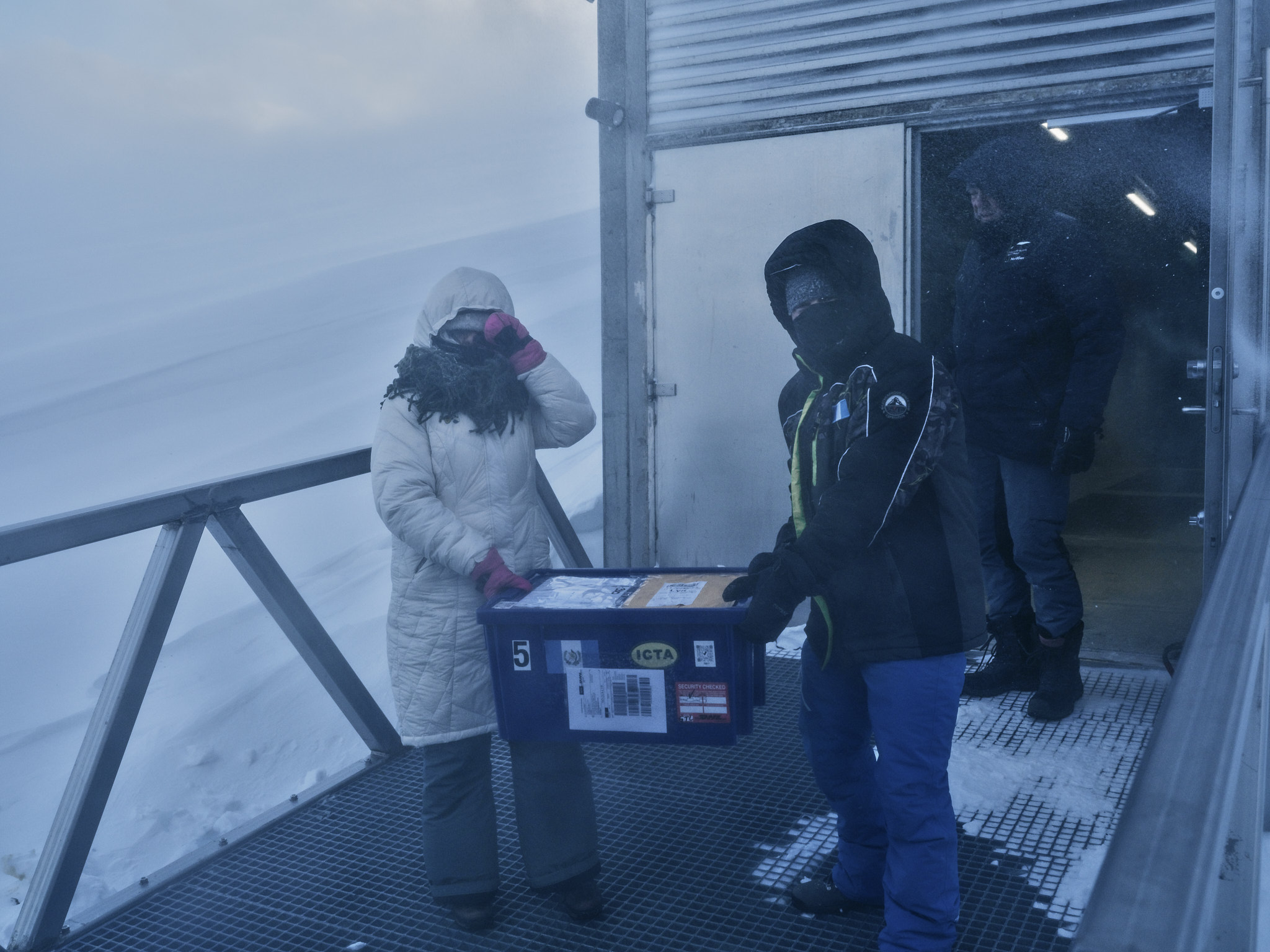
Guatemala’s national genebank, managed by the Instituto de Ciencia y Tecnología Agrícolas (ICTA), deposited 950 samples from 10 species. These crops include climbing and bush beans, maize, squash and amaranth. Twelve percent of Guatemala’s seed samples were contributed by the farmers of the Sierra de los Cuchumatanes through their community seedbank. The maize deposit includes two varieties of teosinte, a wild ancestor of maize native to the country. The deposit was facilitated by FAO Guatemala and supported through the Emergency Reserve for Genebanks, established jointly by the International Treaty on Plant Genetic Resources for Food and Agriculture (Plant Treaty) and the Crop Trust and made possible by financial support from Norway, through the BOLD project.
“The Emergency Reserve for Genebanks enabled us to send our first duplicate to the Svalbard Global Seed Vault,” said Delmy Castillo, researcher at ICTA. “It also helped us renovate our cold storage room, install a temperature and humidity monitoring system, and regenerate 1,000 bean accessions.”
The national genebank in Niger at the Institut National de la Recherche Agronomique du Niger (INRAN) deposited 204 accessions of sorghum, cowpea, groundnut and pearl millet. This deposit was made possible through the Benefit-sharing Fund of the Plant Treaty.
“Crop diversity means security, pure and simple,” said Dan-jimo Baïna, genebank manager and researcher at INRAN. “Food security, nutritional security, income security and security for the environment and from the climate – all depend on it.”
The Benefit-sharing Fund of the Plant Treaty enabled two additional deposits. Mali’s Institut d’Economie Rurale (IER) shipped seeds of pearl millet, sorghum and other crops, and ICARDA, a CGIAR center based in Morocco, deposited seeds of Indigenous barley landraces.
Crop Diversity from Around the World
The latest deposit reflected the global scope of crop conservation, spanning the Americas, Europe, Africa and Asia.
From Africa, deposits included staple cereals and legumes, alongside agroforestry tree diversity deposited through ICRAF, a CGIAR center based in Kenya.
From Asia, the World Vegetable Center backed up 1,651 samples from 95 species and subspecies, including eggplant, peppers and other vegetables that underpin diets and enhance cuisines worldwide.
From Europe, Germany’s Leibniz Institute of Plant Genetics and Crop Plant Research (IPK) returned with the largest deposit of this cycle – 2,836 samples – including wheat, beans and other crops. Another German depositor, the Julius Kühn Institute, made a small deposit of wild fruits. Spain’s deposit included cereals, vegetables and legumes, alongside the olives.
This first deposit of 2026 underscores the need for a strong global system of genebanks. Today, we celebrate that new crops and new countries have joined the Seed Vault family. Tomorrow, we must redouble the effort to bring even more crop diversity to Svalbard and secure the future of food for us all.
Notes for Editors
The Svalbard Global Seed Vault provides safe, long-term storage for duplicate seed samples from genebanks around the world. Seed collections stored inside remain the property of the depositing institutions. The Seed Vault does not distribute seeds. It provides secure, long-term storage so that genebanks can recover lost material if their collections are damaged or destroyed.
Quotes and Figures
Crop Trust:
“Backing up seeds in Svalbard is one of the easiest and most effective steps the world can take to protect the foundation of agriculture. This deposit showed what that protection looks like in real terms – from staple crops that sustain livelihoods, to olive diversity that underpins a global food culture. Every seed sample sent to Svalbard is an investment in future options,” says Dr Stefan Schmitz, Executive Director of the Crop Trust.
NordGen:
"It is a great honour to be entrusted with safeguarding such valuable genetic resources. The variety in these seed collections, which are so important for humanity and future global food security, makes each deposit unique. Alongside the rich agricultural biodiversity of the seed boxes being carried into the Seed Vault this week, we are delighted that two national institutions are sending seeds to Svalbard for the first time,” says Dr Lene Krøl Andersen, Executive Director of NordGen.
International Treaty on Plant Genetic Resources for Food and Agriculture:
“Every deposit in the Svalbard Global Seed Vault is a promise to the future. Through the Benefit-sharing Fund, the International Treaty is helping farmers, national institutions and genebanks safeguard crop diversity and secure it for humanity in the Svalbard Global Seed Vault. This shows how global policy becomes real protection on the ground and the demonstration of benefit-sharing in action,” says Dr Kent Nnadozie, Secretary of the International Treaty on Plant Genetic Resources for Food and Agriculture.
Seed deposits February 2026 | Country | Accessions | Boxes | Crops |
ICTA (Emergency Reserve beneficiary) (New) | Guatemala | 950 | 5 | Beans, maize, pumpkin, amaranth and other crops |
Julius Kühn Institute | Germany | 6 | 1 | Wild strawberry, European crab apple and wild pear |
IPK | Germany | 2836 | 6 | Wheat and beans |
ICRAF | Kenya | 107 | 1 | Acacia (mimosa), Persian Silk Tree, leadtree, Applering acacia and madre de cacao tree |
IER (BSF grantee) | Mali | 350 | 1 | Pearl millet, sorghum and other crops |
ICARDA | Morocco | 1164 | 3 | Wheat, barley, chickpea, lentils and triticale |
INRAN (BSF grantee) (New) | Niger | 204 | 1 | Peanut (groundnut), pearl millet, sorghum bicolor and cowpea |
Spanish Plant Genetic Resource Centre | Spain | 363 | 3 | Cereals, vegetables and legumes, including 54 olive samples from the University of Cordoba |
World Vegetable Centre | Taiwan | 1651 | 6 | Eggplant and other Solanum, peppers and other Capsicum, cowpea, Brassica, squash, soybean and other crops |
SPGRC | Zambia | 233 | 1 | Finger millet |
Meet the Partners
The Norwegian Ministry of Agriculture and Food is the legal and administrative body of the Seed Vault and has the overall responsibility for its management, security and funding. The Ministry has assigned Statsbygg, the key adviser on construction and property to the Norwegian Government to be responsible for the construction and maintenance of the Seed Vault. For more information see www.regjeringen.no
NordGen is the Nordic countries’ genebank and knowledge centre for genetic resources. As the operational manager of the Seed Vault, NordGen is responsible for handling the seeds inside the Seed Vault; communicating with genebanks, and maintaining a publicly accessible online database with information on the seed samples stored in the Seed Vault (seedvault.nordgen.org). Read more about NordGen at www.nordgen.org
The Crop Trust is an international organization working to conserve crop diversity and thus protect global food and nutrition security. At the core of Crop Trust is an endowment fund dedicated to providing guaranteed long-term financial support to key genebanks worldwide. The Crop Trust supports the Svalbard Global Seed Vault and coordinates large-scale projects worldwide to secure crop diversity and make it available for use, globally forever and for the benefit of everyone. The Crop Trust is recognized as an essential element of the funding strategy of the International Treaty on Plant Genetic Resources for Food and Agriculture. Learn more at www.croptrust.org
Categories: For The Press, Press Releases