
The Genetic Memory of the Potato: How Andean Diversity Shapes New Varieties for East African Farms
28 May 2026
While there are many ways to prepare them, modern potatoes are bred from a relatively narrow genetic pool. And yet, the diseases attacking potatoes continue to evolve. In East Africa’s highland potato fields, breeders and farmers alike are seeing the results – potatoes under more pressure than ever before.
"The disease pressure in East Africa, especially in Uganda, is too high," explains Winnifred Ackeck, a potato breeder with the International Potato Center (CIP). "We get varieties that have been bred and released as resistant, but when they come to Uganda, they break down."
This "breakdown" is a constant threat.
These potatoes were never bred for the extreme heat or the aggressive pests currently sweeping through East African highland farms. Many of the potatoes grown in Africa today were developed in regions with cooler climates and ample rainfall, with a significant amount of breeding research done in the Northern Hemisphere, specifically the Netherlands, Germany and the USA.
Over the past 30 years, the potato has become an increasingly important crop for East Africa, both as a staple food and a key source of income. When these varieties fail, harvest losses quickly ripple through local food supplies, having a direct impact on food security. New varieties of potatoes adapted to these conditions are needed, but where do you get the crop diversity to breed new potatoes?
A Reservoir of Resilience
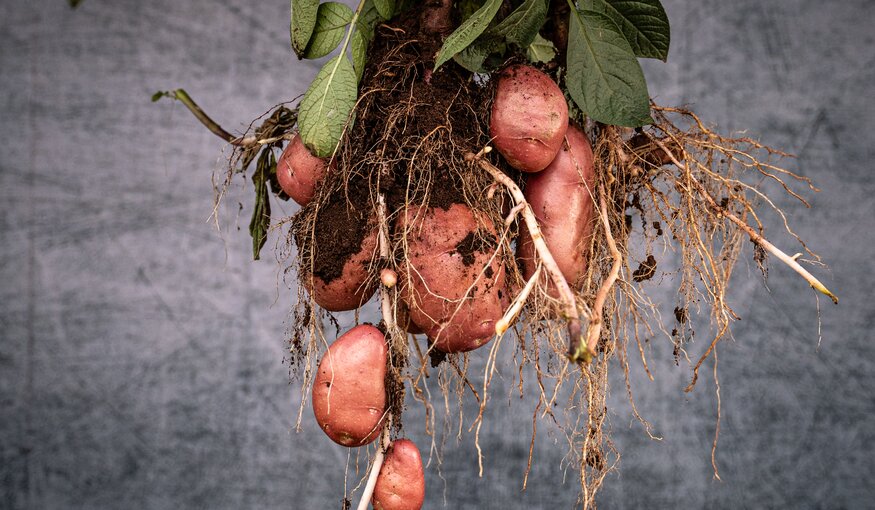
Scientists at CIP have the answer. To broaden the genetic base of modern potatoes, they are exploring the potato diversity found in the Andes Mountains of South America. As the potato’s centre of origin, the Andes hold the crop’s genetic memory. Thousands of native varieties and wild relatives preserve traits shaped over millennia of evolution and cultivation. While supermarkets around the globe may offer only three or four varieties, Andean farmers still cultivate a vast diversity of potatoes adapted to different soils, climates and pests.
Wild species of potato, sometimes found in bone-dry landscapes and on hot slopes, contain the specific traits needed to survive a warming world – heat resilience, drought tolerance and natural pest resistance. This crop diversity could be a global insurance policy if it is safeguarded and made available.
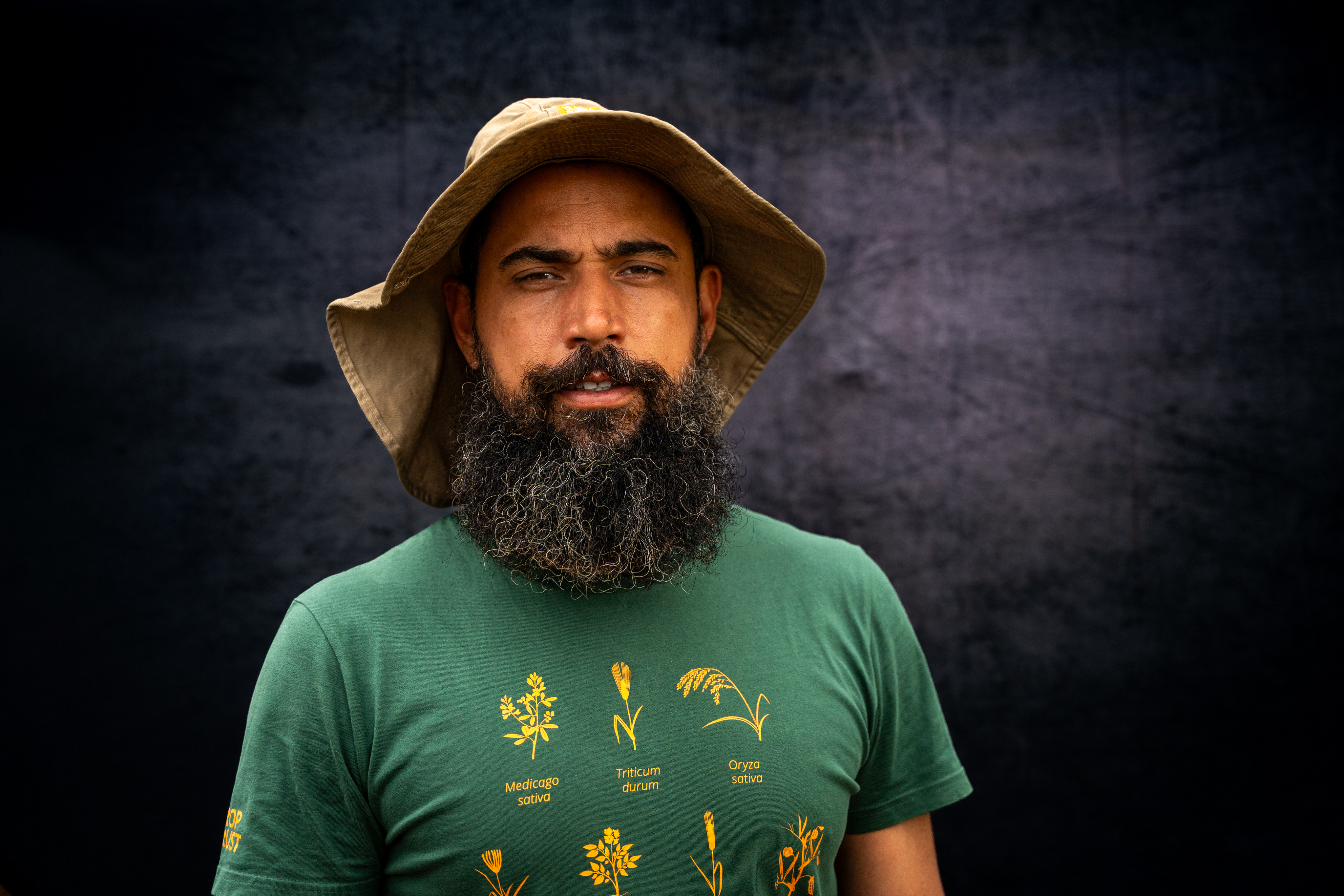
“Potato diversity is like a toolbox. Each variety carries genes that help us solve a different challenge. Even if a plant is not commercially useful today, it may carry a trait we’ll need tomorrow,” explains Thiago Mendes, potato breeder at CIP.
The CIP genebank in Peru currently protects around 4,900 potato varieties, including 140 crop wild relatives, many with genetic traits that can help breeders develop potatoes that withstand heat, drought and disease. Through the Crop Trust’s BOLD project, this diversity is being tapped for crop improvement programs in Africa.
Breeding For the Future
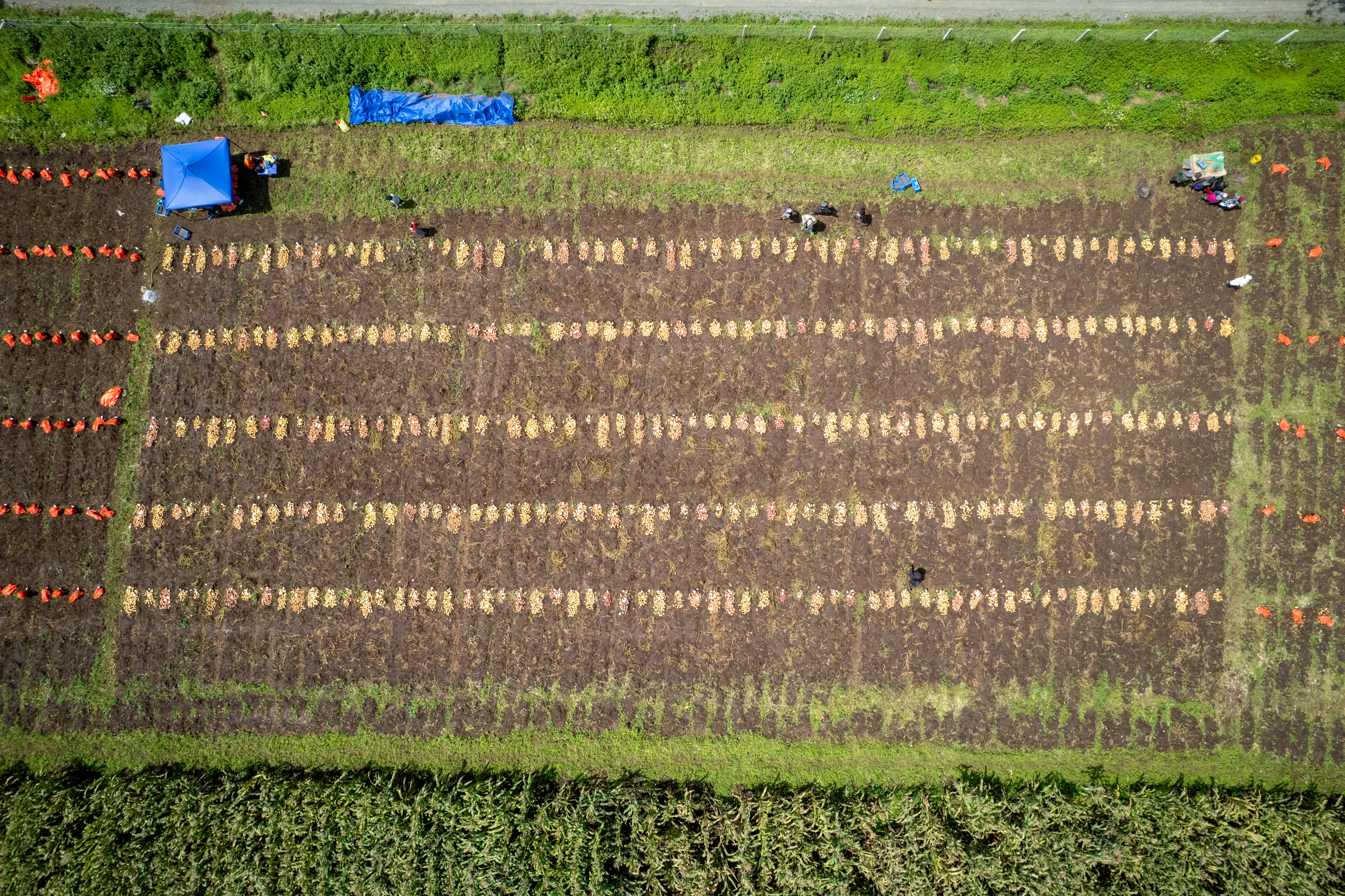
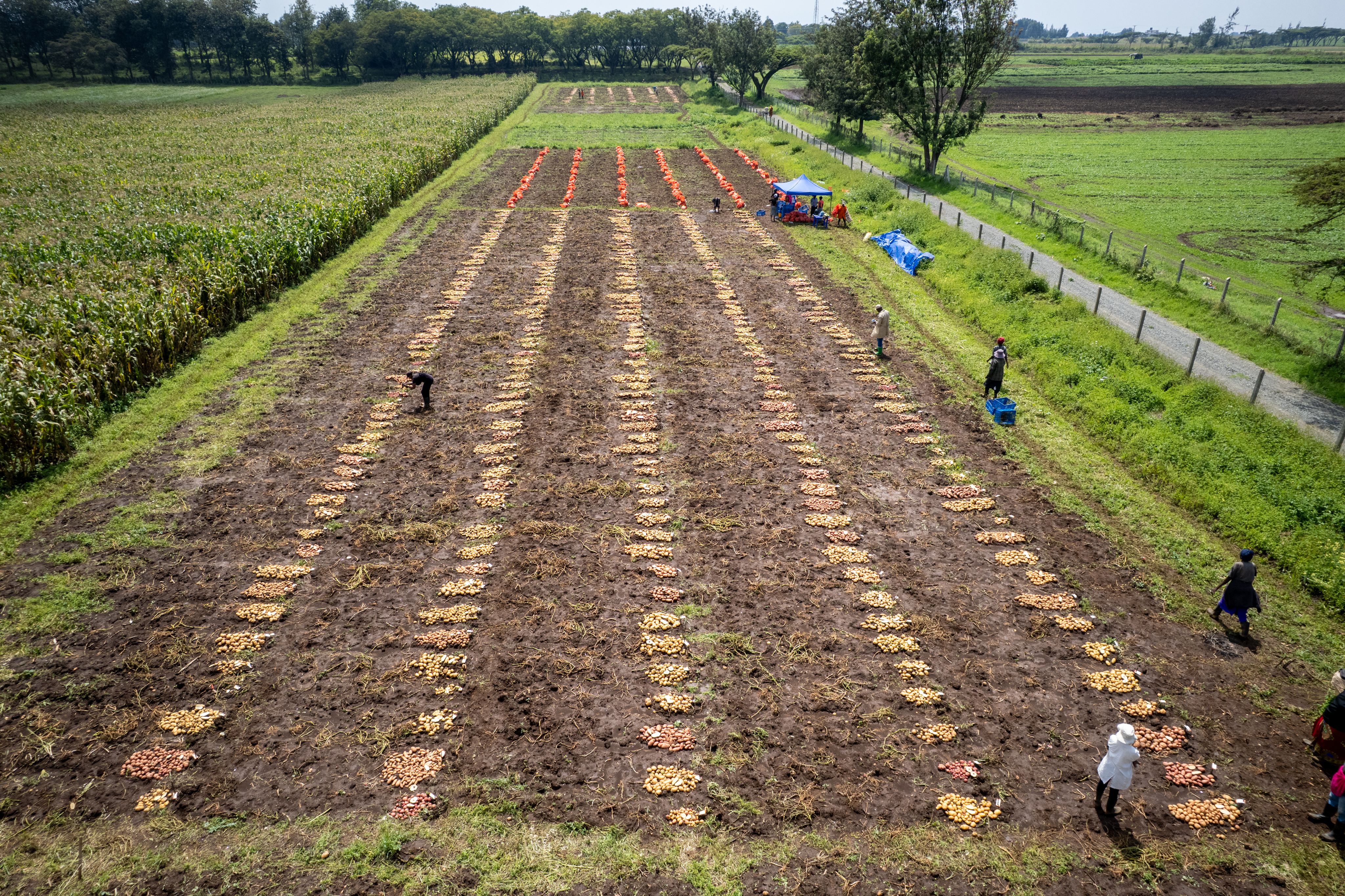
In the pre-breeding step of the process, hardy wild relatives are crossed with cultivated potatoes to create new breeding lines. The offspring are then repeatedly crossed with domesticated potatoes until only the useful traits of the wild plant remain, such as disease resistance or heat tolerance. In partnership with CIP, the Crop Trust has launched specialized trials in Kenya to develop varieties adapted to the pressures of the tropical highlands.
For farmers in Uganda and Kenya, the search for better-adapted potato varieties is already underway. “Science is catching up with the problem,” Ackeck says. “But it needs continuous resource allocation – time, money and the exchange of crop diversity.”
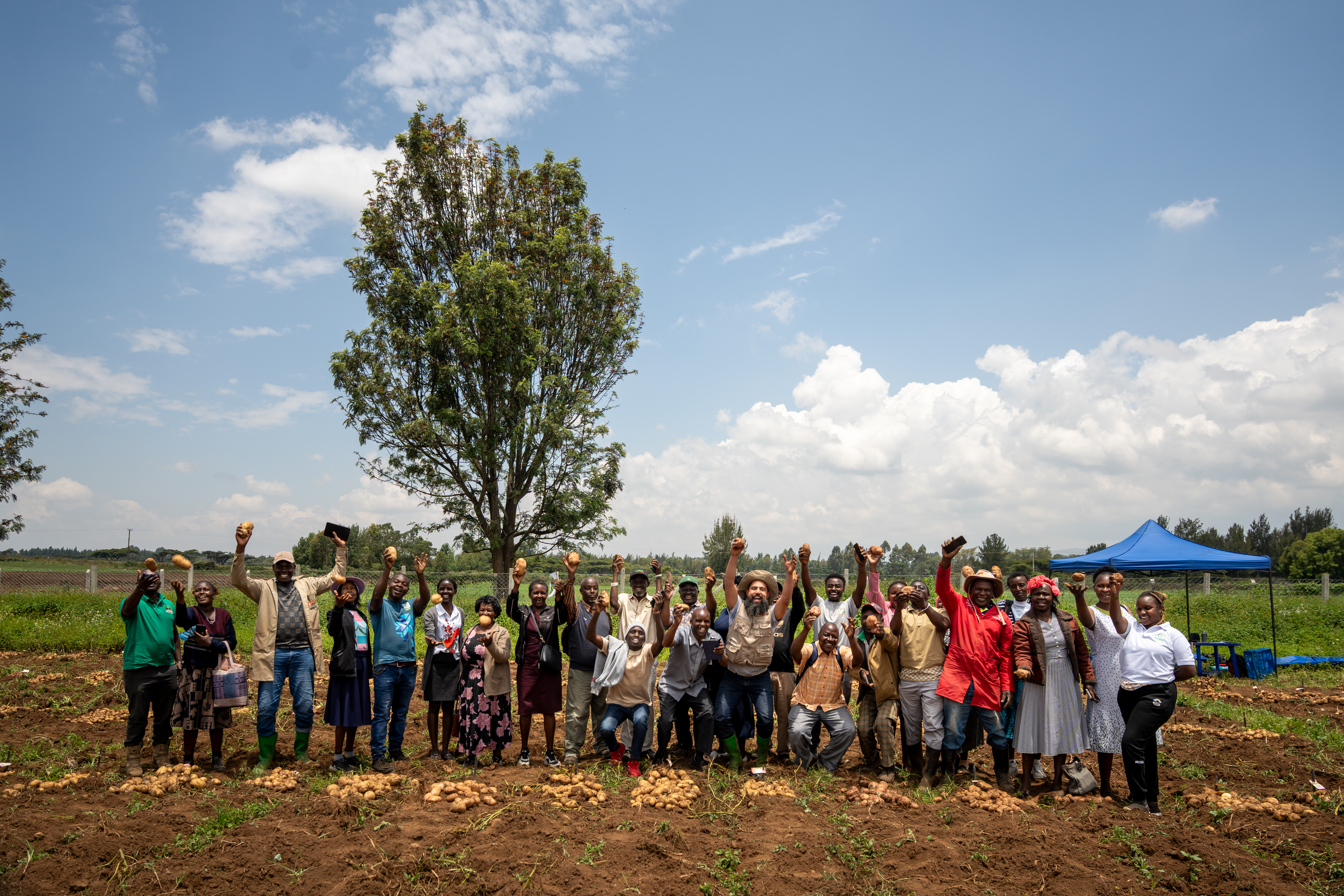
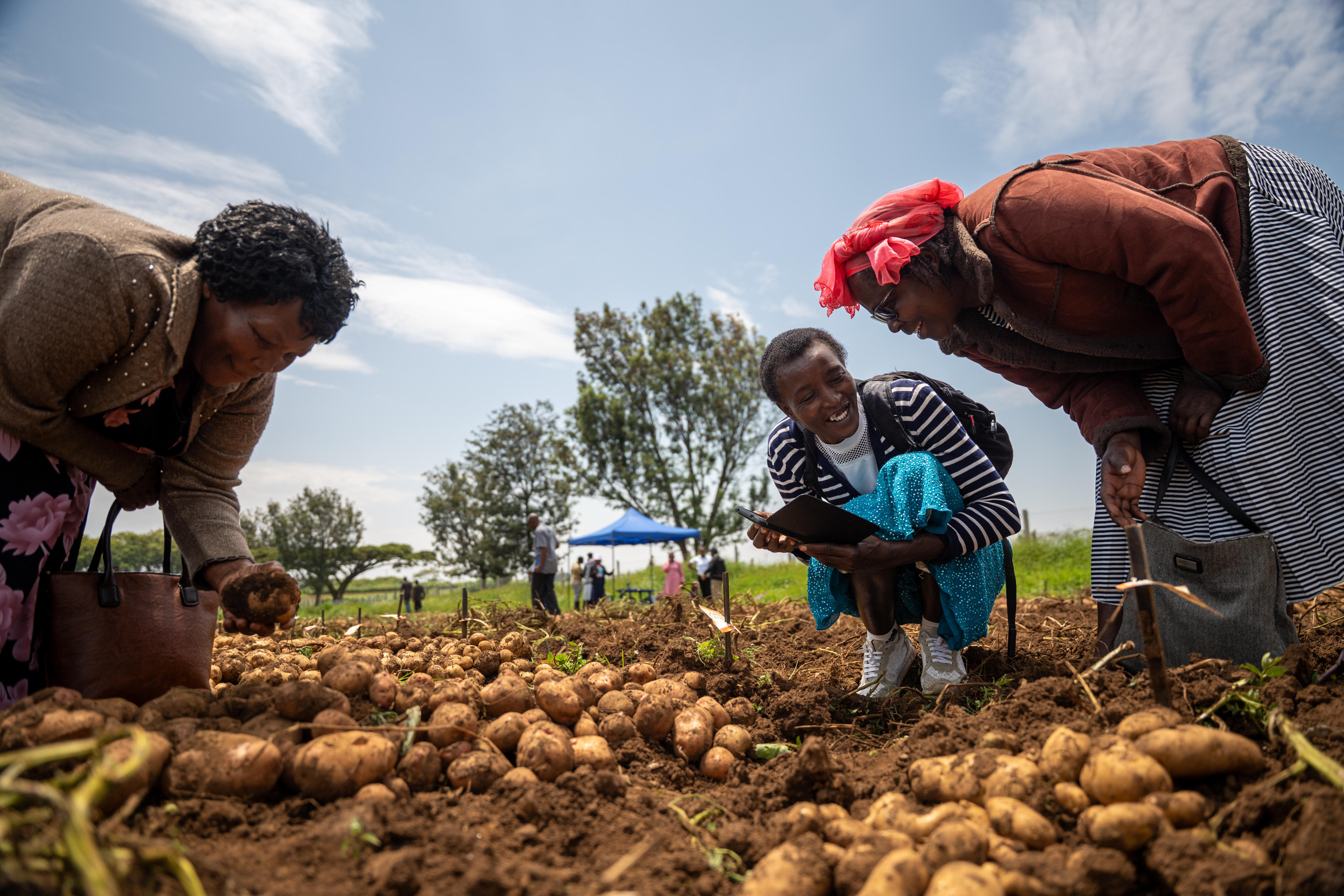
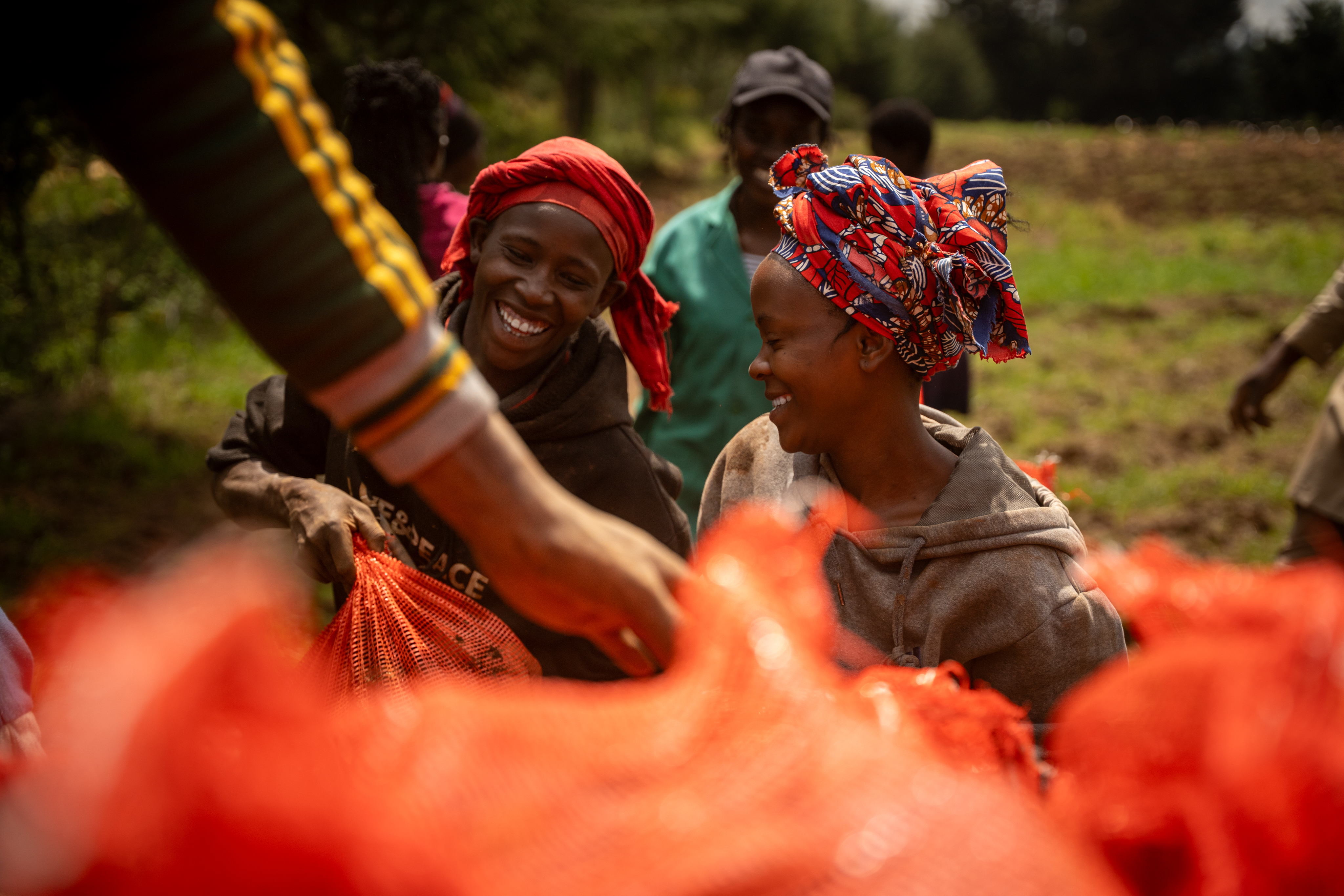
Resilience takes time. Breeding new varieties takes time. Each season, breeders like Thiago and Winnifred invite farmers to walk the trial plots, examine new crosses and help select the most promising lines. By drawing on the genetic traits in the crop diversity from the Andes, these efforts are giving hope to East African farms, one potato breeding cycle at a time.
Category: BOLD