Svalbard Global Seed Vault
The Svalbard Global Seed Vault safeguards duplicates of over 1.4 million seed samples from almost every country around the world, with space for millions more. The Seed Vault is the ultimate insurance policy for the world’s food supply.
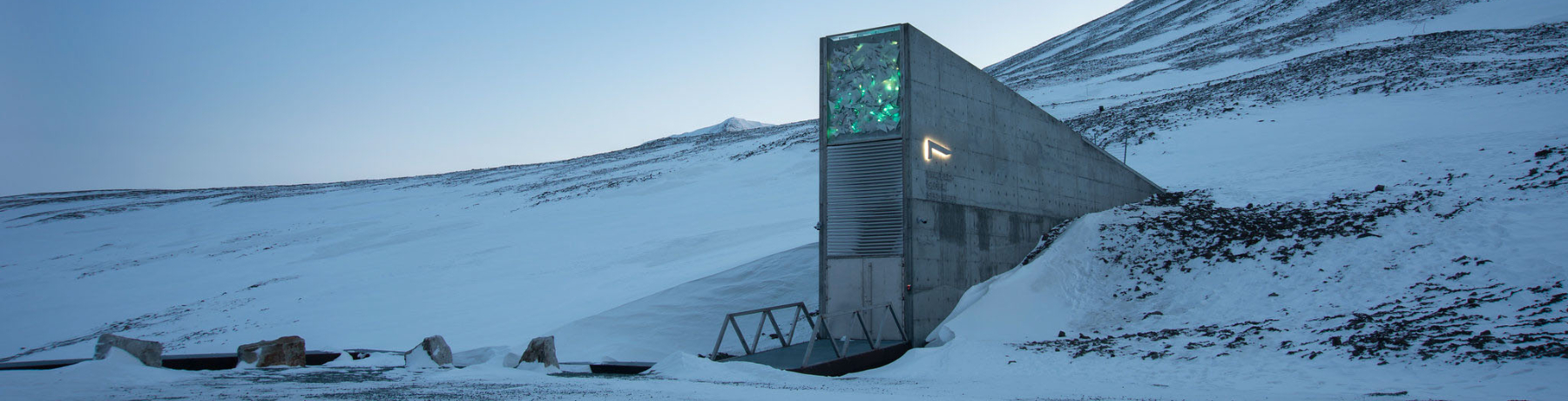
The Seed Vault virtual tour offers the chance to step inside, go deep into the mountain and explore the storage chambers that hold more than 1.4 million seed samples.
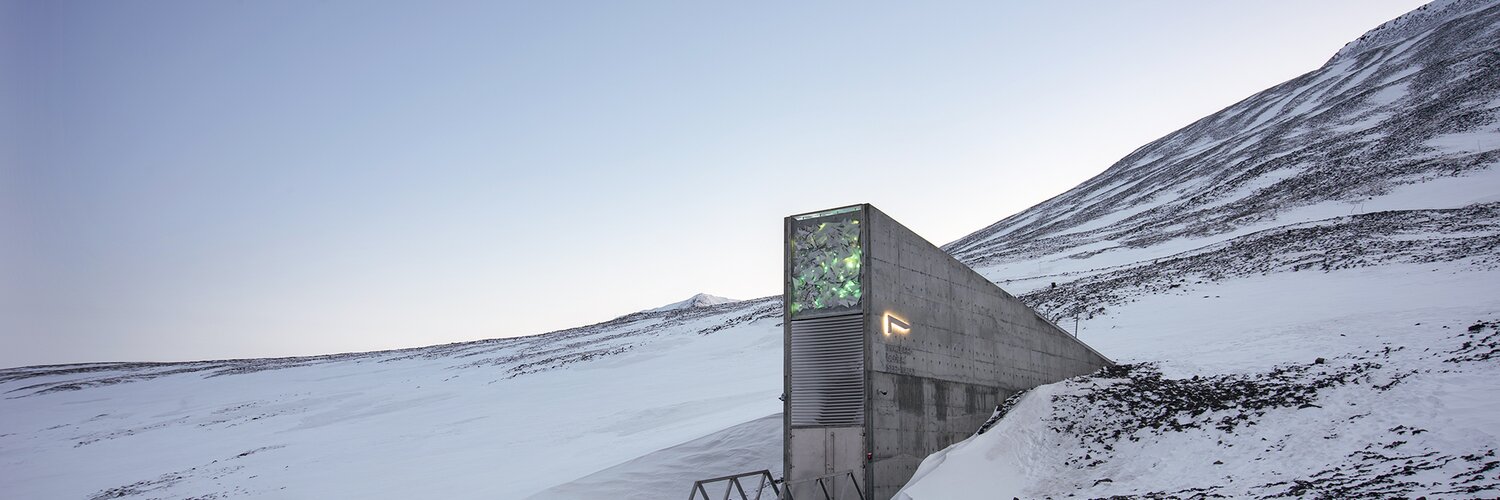
Inside a mountain in the remote arctic Svalbard archipelago, halfway between mainland Norway and the North Pole, lies the Svalbard Global Seed Vault. It is the world's largest backup facility for crop diversity.
The Seed Vault provides vital protection for crop diversity – safeguarding seeds from every important crop grown and consumed in the world today. The Vault is needed because when a crop variety is lost, the traits that make it valuable may be gone forever. These traits open options to develop new varieties to overcome new challenges – high heat, less rain and more.
Genebanks around the world deposit duplicate seed samples into the Seed Vault for long-term safekeeping, while retaining ownership of their collections. If seeds are lost elsewhere, the backups stored in Svalbard can be withdrawn and used to restore them.
As of 2026, the Seed Vault safeguards more than 1.4 million seed samples from 134 institutions around the world.
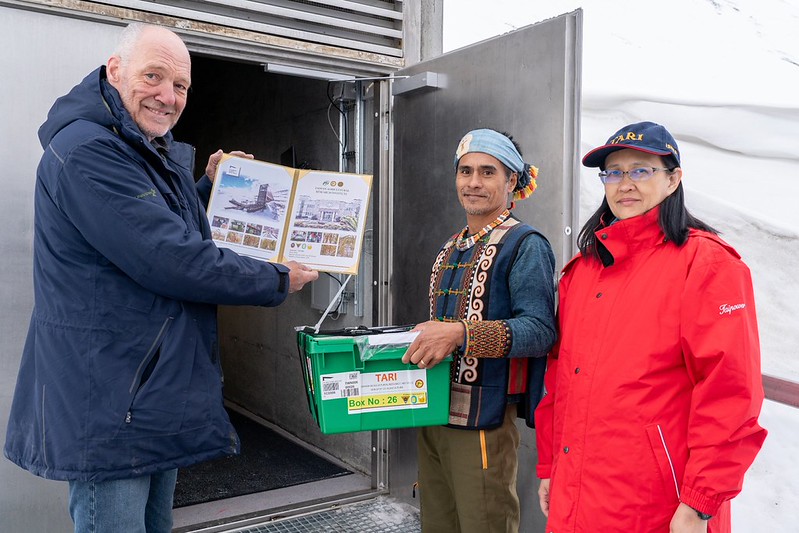
Foxtail millet varieties from TARI, originally cultivated by indigenous tribes in Taiwan, were deposited in the genebank with the support of Vikiyan Tjamautjung from the Paiwan people and genebank director Sue Chen. Photo: Go Explore Planet
Testing the Backup System
When conflict forced ICARDA’s genebank near Aleppo to close, the organisation turned to safety duplicates it had deposited in Svalbard.
Between 2015 and 2019, ICARDA withdrew seed samples and used them to rebuild its collections in Lebanon and Morocco. Once regenerated, new duplicates of the seeds were returned to the Seed Vault. Now, ICARDA can use this collection to reestablish the genebank in Syria.
This shows exactly why the Seed Vault exists – to help genebanks restore collections when the originals are lost or become inaccessible.
How Does It Work?
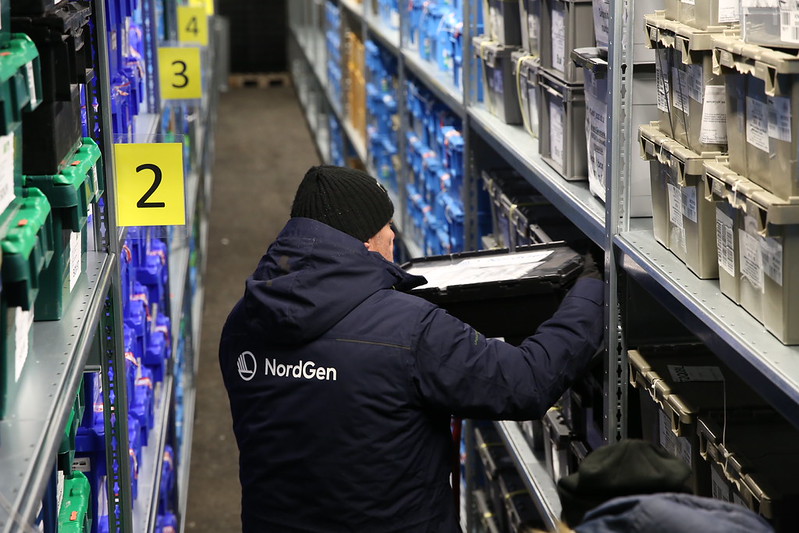
- A temperature of −18 °C (-0.4 °F) is required for optimal seed storage. Permafrost and thick rock would keep the seed samples frozen even without power.
- The seeds are sealed in custom-made three-ply foil packages, which are stored safely inside boxes on shelves deep inside the Seed Vault.
- Low temperature and humidity inside the Seed Vault ensure low metabolic activity, keeping the seeds viable for a long time.
Seeds deposited in the Seed Vault come from established, long-term genebank collections, are already backed up elsewhere and remain available from the original collection for research, breeding and education. Genebanks and institutions that meet these criteria can deposit seeds and are encouraged to contact the partners
What is Kept in the Seed Vault?
As of 2026, the Svalbard Global Seed Vault holds more than 1.4 million seed samples from almost every country, the largest collection of food crop seeds in the world. These include:
- Varieties of staple crops like maize, rice, wheat, potato, soybean and sorghum
- Different varieties of vegetables that feature in regional dishes across the world
- Important indigenous and opportunity crops, traditional crops that nourish communities.
The Seed Vault aims to safeguard as much of the world’s crop diversity as possible. Building this collection takes time. Some genebanks must first multiply their seed stocks, while others need to regenerate ageing samples before they can be sent to Svalbard.
The Seed Vault can store 4.5 million seed samples. Each packet of seeds consists of an average of 500 seeds, so up to 2.5 billion seeds can be stored in the Seed Vault.
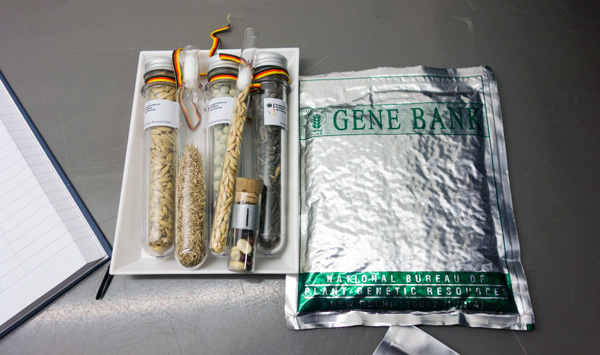
The Svalbard Global Seed Vault is owned by Norway and managed in partnership between the Norwegian Ministry of Agriculture and Food, the regional genebank NordGen and the Crop Trust.
Why Svalbard?
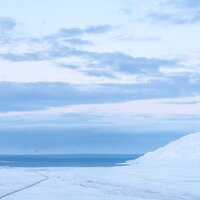
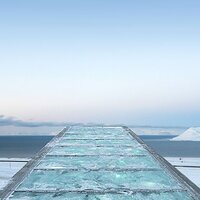
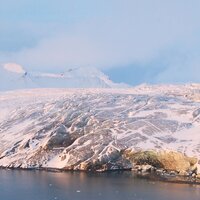
The Seed Vault is in an ideal location for long-term seed storage for several reasons.
01
Svalbard is the farthest north a person can fly on a scheduled flight, offering a remote location that is nevertheless accessible.
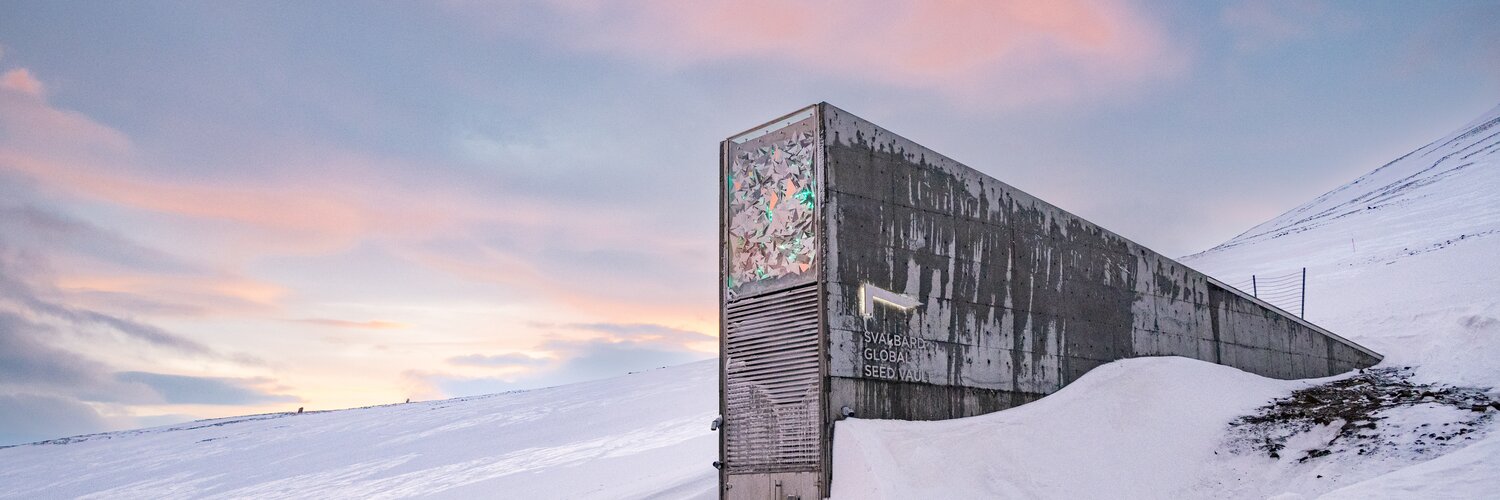
02
While the entrance may be visible, the Seed Vault itself is more than 100 meters into the mountain.
03
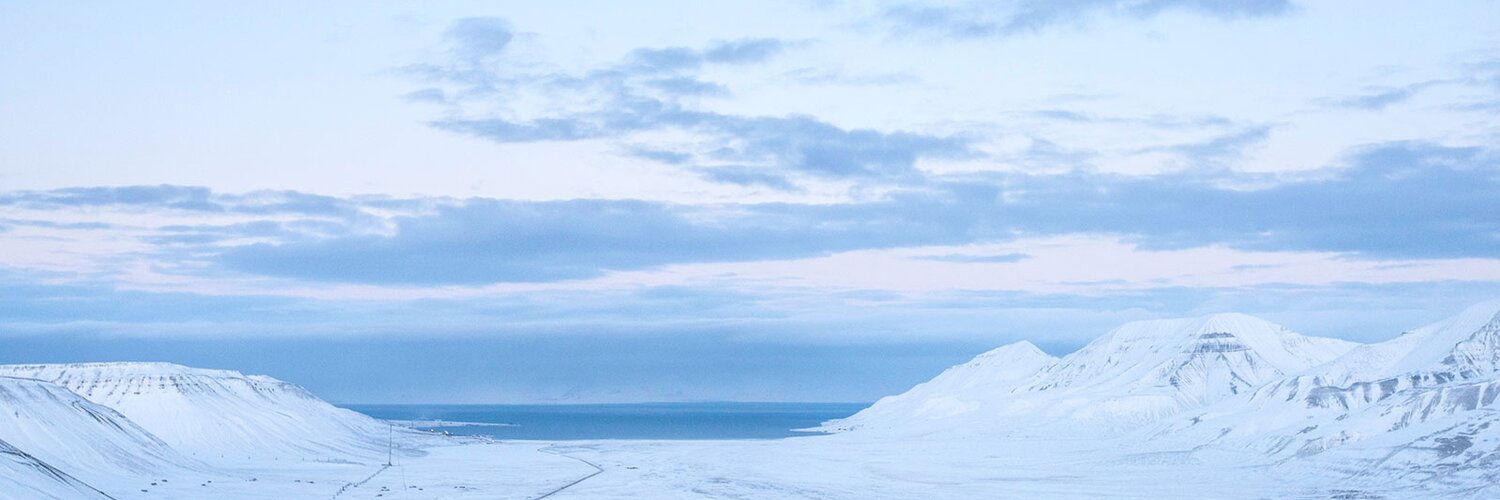
The area is geologically stable and humidity levels are low.
04
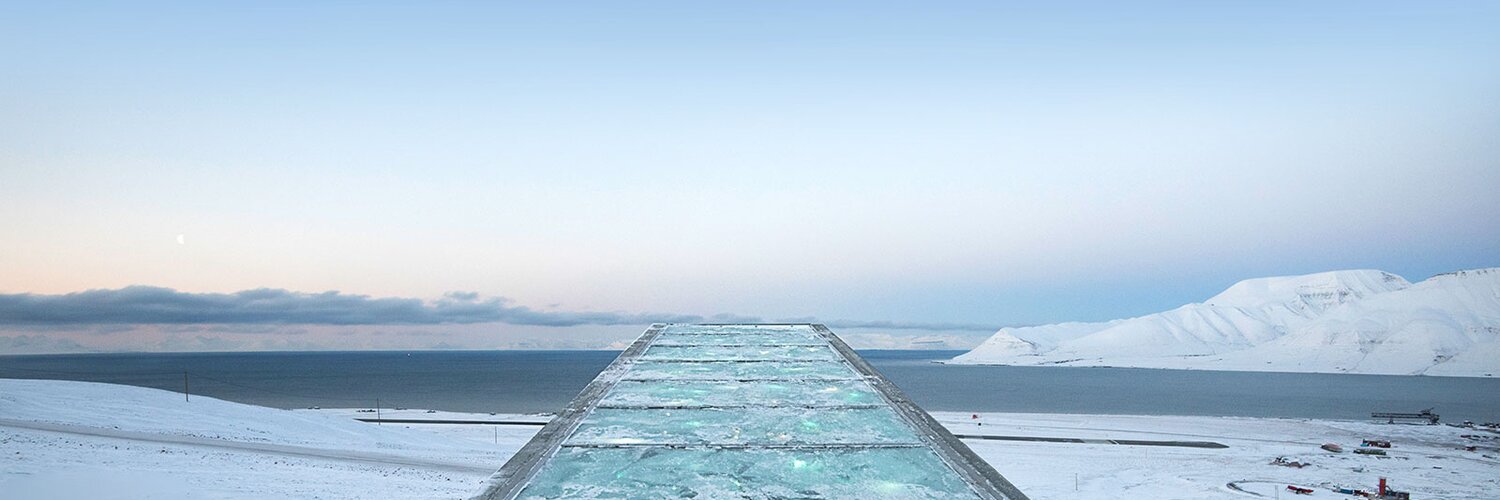
The Seed Vault is well above sea level, protected from ocean flooding according to worst-case scenario sea-level rises.
05
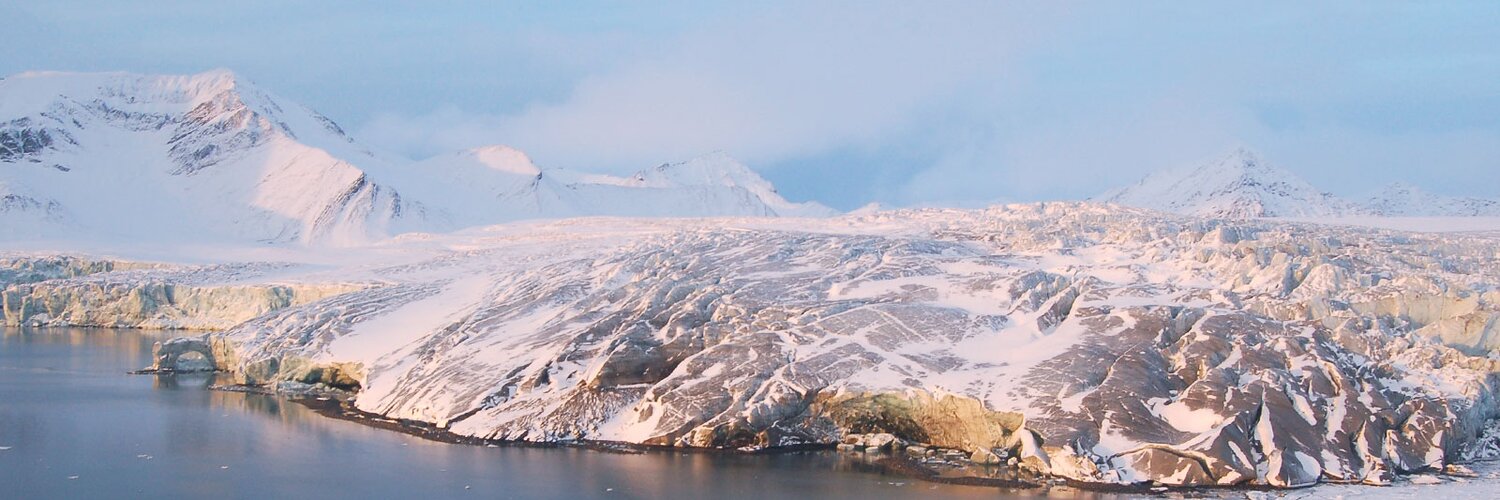
The permafrost offers the Seed Vault natural freezing, providing a cost effective and fail-safe method to conserve seeds.
Who Can Take the Seeds Out?
The Seed Vault operates under a “black box” system. Like a safety deposit box, depositors retain ownership of their seed boxes . Only the institution that deposited a box can withdraw it and open it.
This arrangement allows genebanks and institutions to secure their key collections in Svalbard without giving up ownership or control over them.
How Does the Seed Vault Back Up the Global System?
More than 850 genebanks around the world conserve the crop diversity needed by farmers, researchers and plant breeders. Yet these collections are vulnerable. Just one malfunctioning freezer can put decades of conservation work at risk.
War, natural disasters and extreme weather can damage facilities or restrict access by genebank staff. Collections can also be lost from power cuts, equipment failure, inadequate funding, poor storage conditions or human error.
Safety duplication gives us a chance to secure crop diversity for the future. Keeping duplicates in a separate, secure location enables genebanks to protect collections that may be difficult – or impossible – to replace.
History
2026
The Seed Vault passed 1.4 million seed samples following its 70th deposit occasion in June. The year also brought international recognition when the Seed Vault received the Princess of Asturias Award for International Cooperation, honoring the partnership and trust that underpin its work.
2025
The February deposit marked the culmination of Norway-funded BOLD’s safety-duplication work. Ten partner institutions travelled to Svalbard for the occasion, followed by the first International Svalbard Dialogue.
2024
The BOLD project helped bring a new group of collections into the global backup system. By the end of 2024, 29 partners from 24 countries had deposited almost 24,000 seed samples with BOLD support, including 25 first-time depositors.
Geoffrey Hawtin and Cary Fowler, pioneers who played central roles in establishing the Svalbard Global Seed Vault, received the 2024 World Food Prize.
2023
The Seed Vault marked its 15th anniversary in February 2023 and received nearly 20,000 seed samples from 20 genebank depositors, including collections from first-time depositors from Albania, Croatia, North Macedonia, and Benin. A new virtual tour was launched.
2021
Thanks to an update to the Seed Portal, newly deposited seeds could be placed in the same box as the previous year’s deposit for the first time. This will save space for future shipments from the same depositors.
2020
The Cherokee Nation became the first Indigenous group from North America to deposit when it safeguarded the seeds of nine heirloom food crops that predate European colonization.
World leaders met at the Seed Vault in February for a Seed Summit to discuss “Genetic diversity for more resilient food systems”. Meanwhile, the number of seed varieties stored in the Seed Vault surpassed one million out of a total capacity of 4.5 million.
2019
Improvements to the entrance to the Seed Vault were carried out to prevent water leaking in. These included waterproofing the tunnel walls, removing heat sources from the tunnel and digging exterior drainage ditches.
2018
The Seed Vault marked its 10th anniversary in February 2018 by receiving shipments of over 70,000 crop varieties from 23 depositors, bringing the total number of seed varieties received to more than one million (not counting withdrawals).
2015
As a result of the Syrian civil war, the International Center for Agricultural Research in the Dry Areas (ICARDA) was unable to maintain its Syrian genebank and made the first-ever withdrawal of seeds from the Seed Vault to regenerate and store those seeds in active collections in Lebanon and Morocco.
2013
Approximately one-third of the crop diversity stored in genebanks globally (by genera) was represented at the Seed Vault.
2008
The Seed Vault opened as a partnership between the Ministry of Agriculture and Food of the Government of Norway, the Nordic Genetic Resource Center (NordGen), and the Crop Trust. Time Magazine named the Seed Vault the sixth-best invention of 2008.
2004
A research group including former Crop Trust Executive Director Cary Fowler, CGIAR, the Agricultural University of Norway and NordGen conducted a feasibility study and concluded that Svalbard was an appropriate location for long-term seed storage.
FAQs
What is the Svalbard Global Seed Vault?
The Svalbard Global Seed Vault provides insurance against both incremental and catastrophic loss of crop diversity held in traditional genebanks around the world. The Seed Vault offers long-term protection for one of the most important natural resources onearth.
What groups are involved in the Svalbard Global Seed Vault?
The Seed Vault is owned and administered by the Ministry of Agriculture and Food on behalf of the Kingdom of Norway and is established as a service to the world community. The Global Crop Diversity Trust provides support for the ongoing operations of the Seed Vault, as well as funding for the preparation and shipment of seeds from developing countries to the facility. The Nordic Genetic Resources Center (NordGen) operates the facility and maintains a public online databaseof samples stored in the seed vault. An International Advisory Council oversees the management and operations of the Seed Vault.
Why Svalbard?
Svalbard was chosen for several reasons. Its cold climate and permafrost make the area a perfect location for underground cold storage. The surrounding sandstone is stable for building and is low in radiation. In terms of security, Svalbard scores high marks compared to the locations of many other genebanks in the world. The infrastructure is good, with daily flights and a reliable source of energy from local coal supplies. The vault is located an extraordinary 120 meters (393.7 feet) into the rock, ensuring that the vault rooms will remain naturally frozen even in the event of failure of the mechanical cooling system and rising external air temperatures due to climate change.
Our Partners