

Coffee
Coffea

Crop Overview
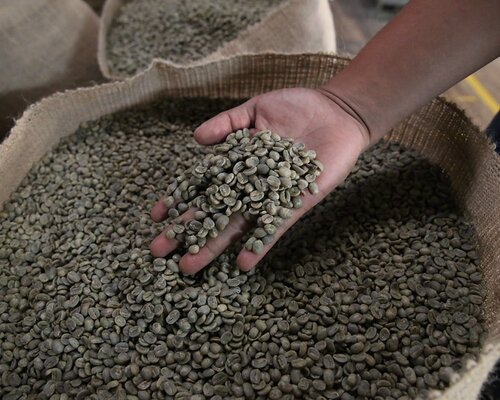
Coffee is one of the world's most widely consumed beverages, made by roasting and brewing the seeds – also called beans – of the coffee plant's fruit. With climate change disrupting growing periods and production, coffee conservation is incredibly important for genebanks, breeding programs and coffee lovers across the globe.
Coffee is grown in over 70 countries in tropical regions along the Equator. The coffee industry mostly relies on just two species - Arabica (Coffea arabica) and robusta coffee (Coffea canephora). Arabica accounts for around 60% of global coffee production and is generally preferred by consumers for its complex flavor and lower caffeine content. Robusta accounts for 40% and is prized for its high yields and greater resistance to pests.
Characteristics, Cultivation and Agricultural practices
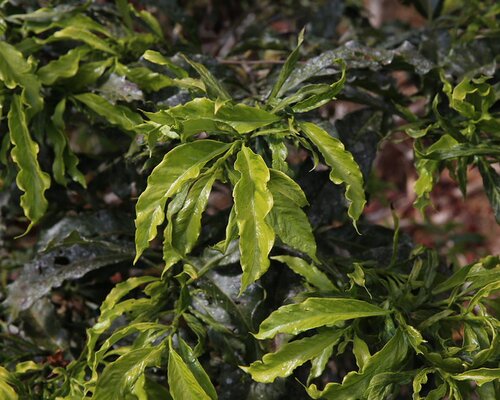
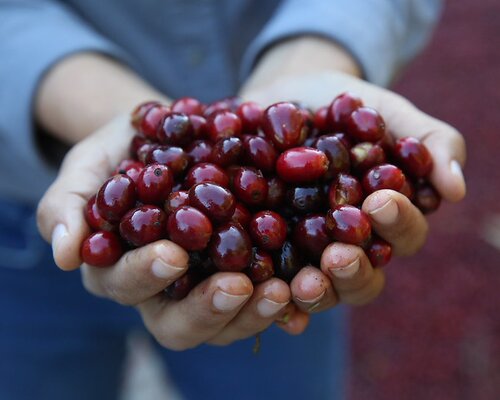
Although best known for its dried, roasted and fragrant beans, coffee plants start out as a perennial woody shrub. Coffee cherries – the Coffea plant’s fruits – develop on branches and usually contain two seeds which are then harvested and processed.
The tropical region where the majority of coffee plants are cultivated is known as the “Coffee Belt”. Arabica is typically grown at higher elevations, as cooler temperatures better support the development of its beans and flavor quality. Robusta is better adapted to lower elevations and warmer temperatures. Cultivation of both typically requires well-drained soils, rainfall and stable temperatures.
Coffee is traditionally grown under the shade of native trees in agroforestry systems, but increasing demand has led to the adoption of sun-intensive systems that increase yields but can greatly reduce soil benefits, as fallen leaves from shade trees provide natural compost and reduce evapotranspiration. The compact Caturra variety helped drive the shift toward denser planting, often in full sun, but its susceptibility to coffee leaf rust also highlights the need for disease resistance. Current efforts aim to promote climate-smart practices including shade-grown coffee and growing genetically diverse varieties to improve crop resilience.
Nutritional, Economic and Medicinal Value
Unlike many staple crops, coffee is not primarily consumed for its nutritional value. Coffee is valued for its bioactive compound, caffeine, which acts as a natural stimulant. Coffee also contains antioxidants such as chlorogenic acids and polyphenols that have been linked to reduce stress in the human body. Moderate coffee consumption has been linked to lower risks of diseases such as cardiovascular conditions and type 2 diabetes, but health effects vary per person.
The global coffee industry generates more than US$200 billion in annual revenues. Up to 25 million farming households account for 80 percent of world output and depend directly on coffee production. Millions more earn a living through processing, trade and other activities across the coffee value chain.
Around 90% of coffee is produced in lower income countries, while actual consumption is concentrated in higher income nations. As of 2025, Brazil is the leader in coffee production followed by Vietnam, Colombia and Indonesia.
Beyond production and processing, the coffee industry also generates substantial income and employment opportunities in retail and logistics. Coffee by-products such as pulps or husks are being explored for use in biofuels and animal feed, which supports sustainability across sectors.
Cultural Importance
Different preparation methods and traditions have developed across cultures, shaping how coffee is enjoyed. Dishes, desserts and drinks use these invigorating beans in several ways.
Native to Ethiopia, arabica is central to traditional coffee ceremonies that bring together family and neighbors. In many Arab societies, serving coffee is a formal expression of generosity and respect, with established customs around who is served first and how the cup is held or returned.
Turkish coffee is similarly associated with friendship, celebrations and intimate conversation. It is traditionally served at engagements and holidays, while the grounds left in the cup may be used for fortune-telling. UNESCO has inscribed Turkish coffee culture and Arabic coffee traditions on its lists as intangible cultural heritage.
Around the world, coffee is woven into everyday life. It provides a morning boost, iced refreshment on a warm afternoon or an excuse to linger over cake with friends. Coffee shops are important gathering places, bringing people together and supporting local economies. From traditional ceremonies to casual conversations, coffee connects people across cultures.
Gender Perspectives
Women provide a large share of the labor required for coffee cultivation. Despite their contributions, gender disparities are prevalent, as women frequently have less access to land, credit, agricultural inputs and decision-making opportunities. As a result, women are often underrepresented, despite playing a substantial role at every stage of the process. Research suggests that removing barriers to women’s participation and leadership in coffee production could improve farm productivity.
Why is Coffee Threatened?
The global coffee industry relies heavily on a small number of arabica and robusta cultivars, which leads to the underutilization of genetic diversity within the Coffea genus.
More than 100 wild coffee species exist, yet these often remain absent from commercial production or from use in breeding programs. As climate change impacts coffee growing regions and reduces the suitability of land for traditional cultivation, the conservation and sustainable use of coffee diversity could support communities and farmers. Development of new varieties can lead to adaptation of coffee to new growing conditions, resistance to diseases and pests, and development of new flavors in order to boost farmers incomes and stay relevant in the global coffee market.
Coffea stenophylla was once cultivated in West Africa but disappeared from commercial supply chains and global markets. This species can tolerate higher temperatures than both arabica and robusta and is known to produce a high-quality flavor. Coffea stenophylla could provide valuable genetic resources for future cultivation and breeding programs, and open the coffee market to new strains.
Other overlooked coffee species may hold similar potential: Coffea dewevrei, recently recognized as a distinct species, combines promising climate-resilient traits with flavor and aroma qualities considered superior to robusta.
Diversity Available in Genesys
As of June 2026, Genesys, the Crop Trust’s online platform for crop diversity conserved in genebanks worldwide, lists 9,855 total samples of Coffea. The largest collections are held by:
- The Centre National de Recherche Agronomique (CNRA) genebank in Côte d'Ivoire with 7,830 accessions
- The Tropical Agricultural Research and Higher Education Center (CATIE) genebank in Turrialba, Costa Rica with 1,990 accessions
CNRA’s collection has not been safety duplicated, putting it at high risk of loss due to environmental or man-made catastrophes. Most of CATIE’s coffee collection has not been formally safety duplicated, although selected accessions and a representative core collection are maintained at other locations.
Crop Strategy
Related Stories

International Coffee Day: Rediscovering Coffee Diversity with CATIE’s William Solano
30 Sept 2025

Brewing a Future: Crop Trust and Germany Safeguard Costa Rica's Coffee Heritage
3 Dec 2024

Keeping the Coffee Pot Hot
30 Sept 2020

Seventy Years On, a Global Garden Keeps the Coffee Hot
2 May 2019