

National Genebank of Nigeria
Location
Ibadan, Oyo State, Nigeria
Parent Organization
National Center for Genetic Resources and Biotechnology (NACGRAB)
Overview
The National Genebank of Nigeria, established under the National Centre for Genetic Resources and Biotechnology (NACGRAB), serves as Nigeria’s national repository for plant genetic resources. Located in Ibadan, Oyo State, the genebank conserves and promotes the sustainable use of crop diversity nationwide. It currently maintains genetic diversity of 43 crops. Its infrastructure includes:
- Seed genebank for orthodox seeds, with medium- and long-term storage rooms (4°C and −20°C, respectively) that have temperature and humidity controls.
- Field Genebank (12 ha) conserves over 300 plant species, including recalcitrant species, trees, roots, tubers, fruits, and medicinal crops.
- Herbarium with over 2,000 voucher specimens from 100+ plant families, and a Medicinal Herb Garden established in 2007.
- Biotechnology Department specializing in in vitro conservation, molecular fingerprinting, and regeneration.
Mission
To conduct research, exploration, collection, evaluation, characterization, conservation, documentation, and dissemination of plant, animal, and microbial genetic resources; support biotechnology applications; and facilitate the release and use of crop and animal varieties in Nigeria.
The Collection
- NACGRAB conserves 8,278 accessions, including 8,165 traditional cultivar or landrace accessions and 113 wild accessions (Genesys).
- The main crops conserved at NACGRAB include sorghum (Sorghum bicolor) with 2,267 accessions, cowpea (Vigna unguiculata) with 918 accessions, pearl millet (Pennisetum glaucum) with 962 accessions, maize (Zea mays) with 397 accessions, and groundnut (Arachis hypogaea) with 389 accessions (Genesys).
Opportunity Crops
The top opportunity crops cultivated in Nigeria are bambara groundnut (Vigna subterranea), African yam bean (Sphenostylis stenocarpa), and fonio (Digitaria exilis). Bambara groundnut is a drought-tolerant legume that produces reliably under poor soil conditions and provides high-quality protein. African yam bean is a dual-purpose crop with edible seeds and tubers that enhance dietary diversity. Fonio is an ancient cereal that matures quickly and thrives in marginal lands unsuitable for major crops.
NACGRAB conserves and promotes underutilized and indigenous species such as Irvingia spp. (bush mango), medicinal and wild tree species, root and tuber crops, and local fruit trees. These crops are part of participatory selection trials with farmers to identify resilient and valuable traits for food security and climate adaptation.
Related Projects
- BOLD: With support from the BOLD project, NACGRAB regenerated seed collections are safety-duplicated at the Svalbard Global Seed Vault to reduce risks and strengthen long-term conservation.
- Seeds for Resilience: Through Seeds for Resilience NACGRAB is improving, managing and distributing climate-resilient crop varieties to Nigerian farmers. Through Germplasm User Groups, it links genebank collections directly with farmers for participatory selection, strengthening food security and climate adaptation.
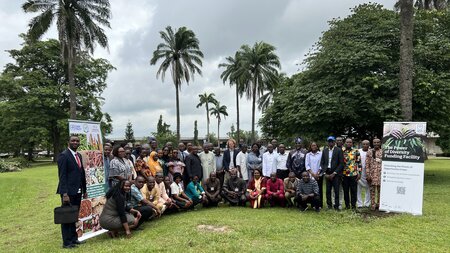
- Power of Diversity Funding Facility: In cooperation with NACGRAB, this initiative seeks to safeguard the genetic diversity of fonio (Digitaria spp.) and pigeon pea (Cajanus cajan), while establishing an integrated national conservation system for opportunity crops.
Crops


Related Stories
Nigeria Chooses Its Opportunity Crops
14 Aug 2025
Science Nigeria: Loss Of Genetic Plant Diversity Setback For Nigeria’s Food Security Drive
29 May 2025