
Type
Self-Paced
Fee
Free
Topics
Genebank managementOverview
The LiveSeeding project offers 5 training packages, comprising 25 modules on organic breeding and seed production. These include online and on-site sessions. The materials provide an in-depth overview of the knowledge, concepts, strategies, tools and opportunities of organic breeding, and are tailored to a diverse range of trainees, including organic farmers, students at various levels (secondary school, Bachelor's, Master's and PhD), scientists, seed producers, organic breeders and others involved in organic and agroecology-oriented farming who are interested in organic seed systems.
Link to website: https://liveseeding.eu/trainings-summer-school/
Link to repository on ECO-PB website: https://www.eco-pb.org/trainings.html
Modules
Module 1: Plant Genetic Resources (PGRs): collection, conservation and exchange to support the increase of agrobiodiversity in farming systems (3 units).
- Topics: Plant genetic resources (PGRs) are essential for breeding. The agrobiodiversity encompassed in modern varieties, landraces and ecotypes as well as wild relatives must be preserved i) to mitigate genetic erosion and, therefore, ii) to ensure that these resources are available to face future challenges (e.g. climate change, new pathogens, new preferences) and iii) contribute to a diverse and resilient agrifood sector. Seedbanks as ex situ conservation structures, community seedbanks (CSBs), breeding and pre-breeding collections, are among the most usual ex situ conservation methods. Community seed banks and farmers ́ collections are examples of in situ conservation.
- Target groups: In this module, the targeted actors learn about methodologies and strategies related to the conservation, use and exchange of genetics resources. This module is open to (although not limited to) farmers (and more specifically to the ones committed with agroecology, preservation of landraces and involved in selection and plant breeding) and students (from the high school level to MSc level, especially students in plant breeding, plant production or agronomy).
- Number of units: 3
Host
The LiveSeeding project promotes the growth of organic seed and plant breeding for the transition to more sustainable local food systems.
Read more
Are you ready to learn?
Related Courses
Global Crop Conservation Strategies
This e-learning course introduces you to global crop conservation strategies, explaining how they are developed and how they support the conservation and sustainable use of plant genetic resources for food and agriculture (PGRFA). It also covers crop coverage assessments, the identification of gaps in global collections, the data and methods used for gap analysis, and how to apply the results to strengthen conservation efforts.
This course is supported by the Treaty and the Crop Trust with funding from the German Federal Ministry for Agriculture, Food, and Regional Identity as part of the project "Mainstreaming Global Crop Conservation Strategies in Plant Treaty Processes”.
This course is part of an e-learning series on data management for plant genetic resources for food and agriculture (PGRFA), which introduces essential concepts, tools and systems, as well as best practices for documenting and sharing PGRFA data. Other courses in the series include:
- Course 1: Introduction to Documenting Plant Genetic Resources for Food and Agriculture
- Course 2: The Global Information System
- Course 3: Germplasm Resources Information Network - Global community edition and Genesys (under development)
- Course 4: Global Crop Conservation Strategies
Genebank management |  FAO elearning Academy | Self-Paced | Free | |

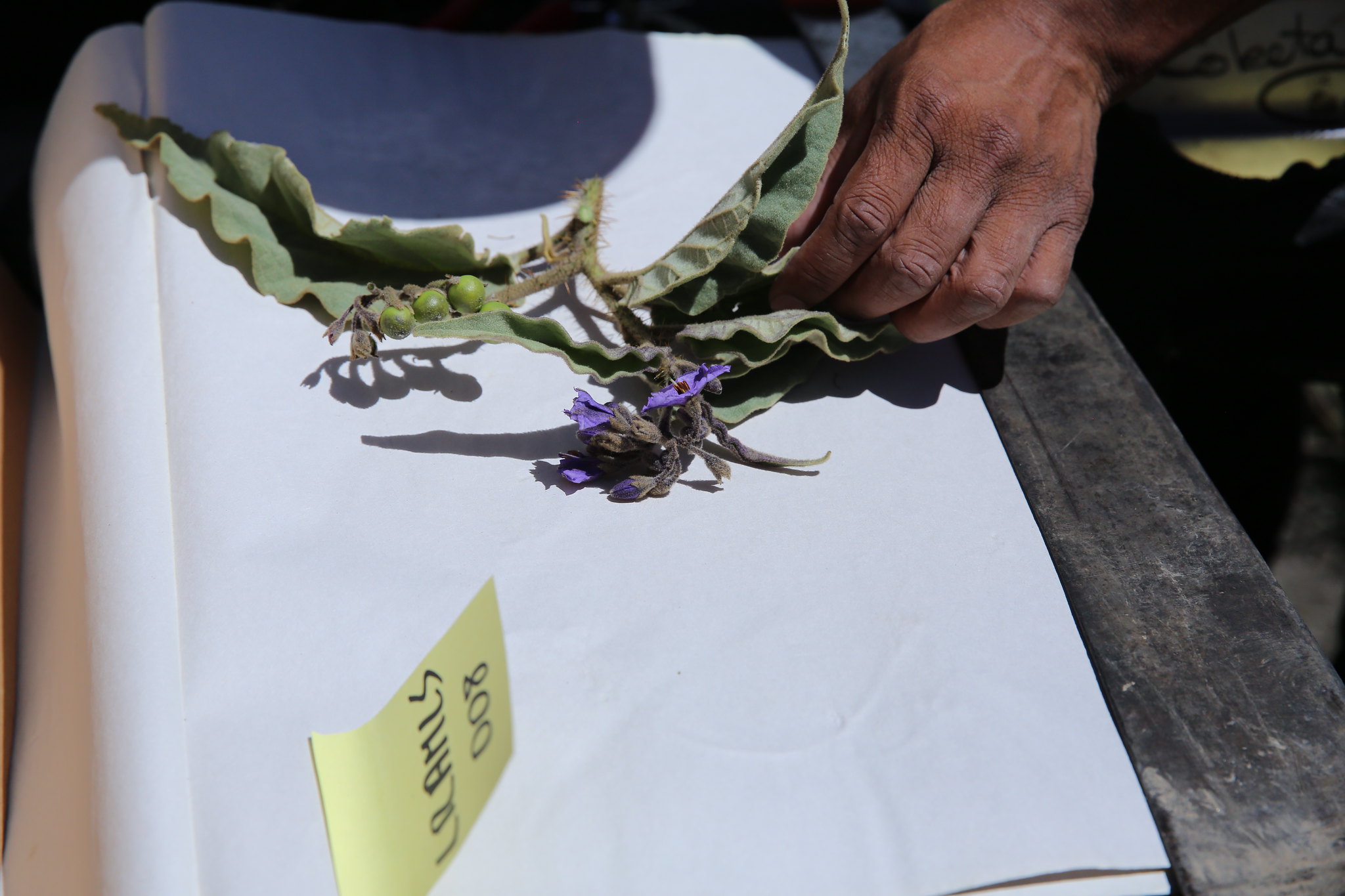
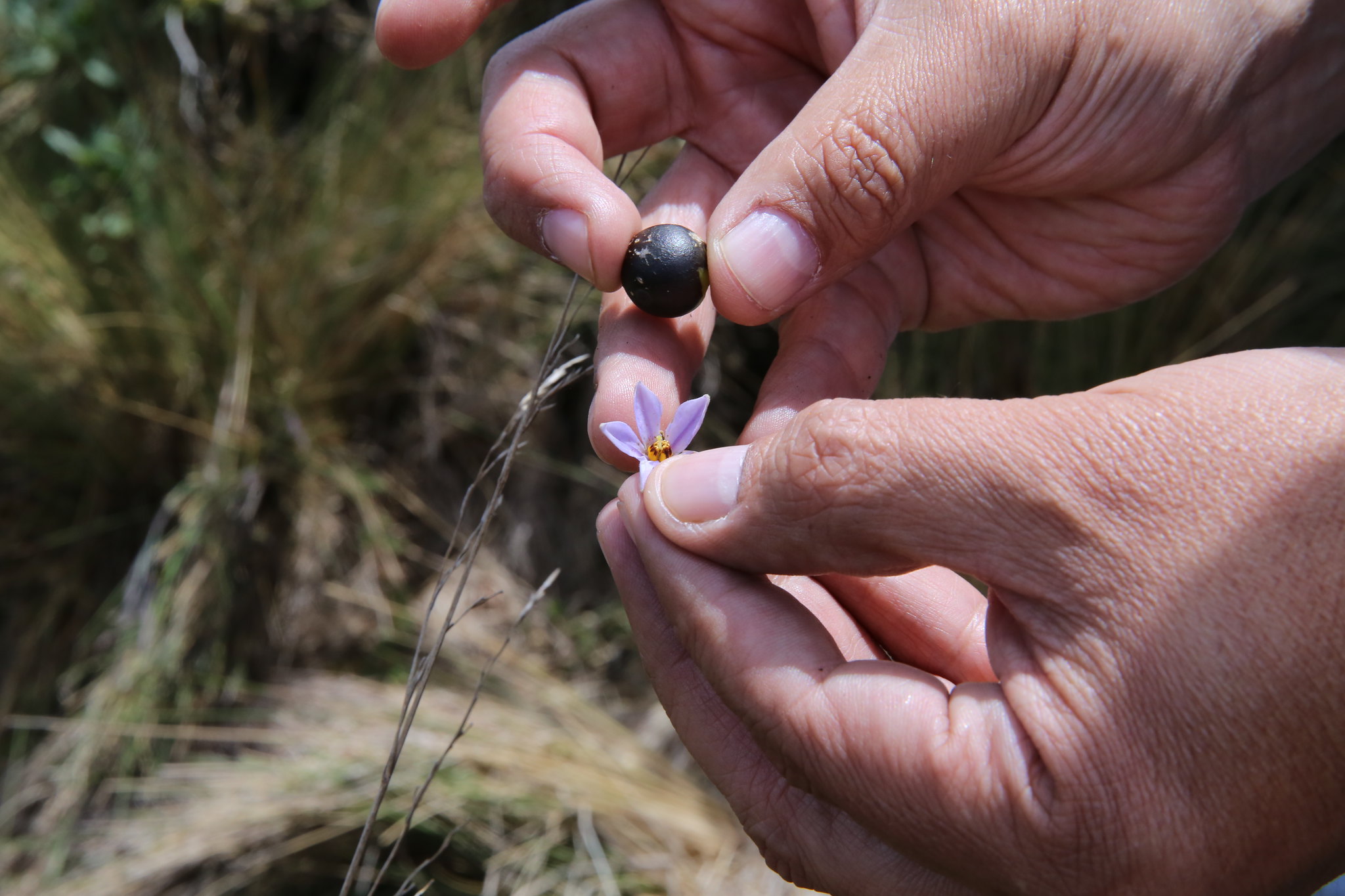
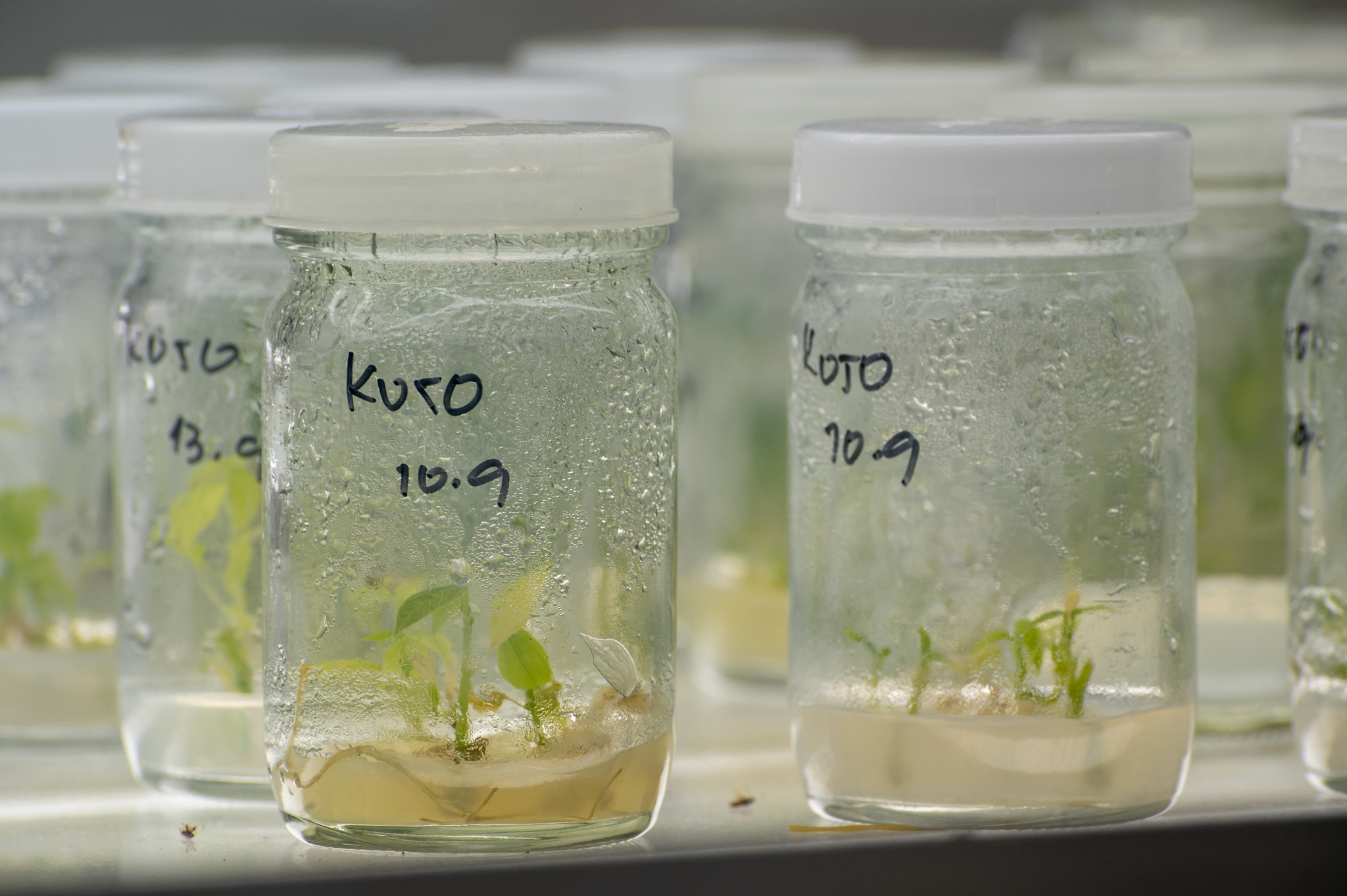
Conserving and Using Crop Diversity
The Crop Trust online experience – Conserving & Using Crop Diversity – is an interactive website where you can explore how the crops we eat are conserved, studied and used to build a more secure food future.
This introduction to crop diversity conservation and use is colorful, easy to navigate, and full of stories, games and videos that bring science to life.
What You’ll Find
Ever wondered what the difference is between a landrace and an elite variety?
Or who a pre-breeder is, and why their work matters?
This site explains it all – in a simple, visual way, and the way you use it is entirely up to you.
- Travel back in time to discover how seeds were first saved and used by breeders.
- Play a game where you help farmer Hassan create a new wheat variety that can withstand heat waves.
- Think you’re fluent in crop diversity? Then go ahead and test your knowledge.
What do Anna Backhaus, Chrispus Odouri, Shivali Sharma and Benjamin Kilian have in common? They are scientists working with farmers around the world to develop crops that can survive drought, heat and disease. They have one goal: to secure the future of food.
Discover how crop diversity connects us all – Conserving & Using Crop Diversity
Share your thoughts and experiences with us media@croptrust.org and on social media. Don’t forget to tag the Crop Trust!
This interactive online experience was launched with support by the Biodiversity for Opportunities, Livelihoods and Development (BOLD) project funded by the Government of Norway. The BOLD project aims to strengthen food and nutrition security by helping genebanks conserve and use crop diversity more effectively.
Genebank management |  Crop Trust | Self-Paced | Free | |