
Wild Grapes Help Vineyards Face the Future
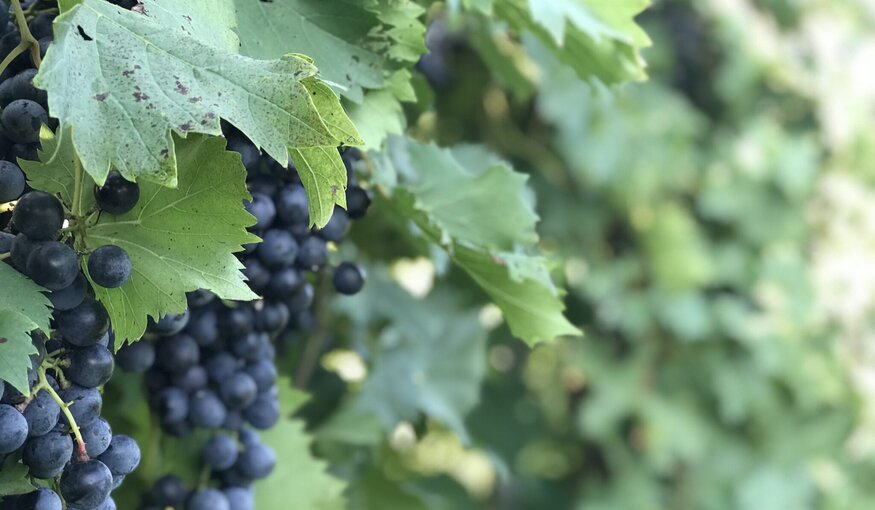
French-American hybrid grapevine cultivar ‘Chambourcin’ growing in an experimental vineyard at the University of Missouri Southwest Research Farm. Photo: New York Botanical Garden.
29 July 2026
Wild grapes have been saving vineyards for hundreds of years. Now, as climate change, new pests and diseases, and changing markets place new challenges on viticulture, conserving wild grape diversity is critical for the future of wine, grape juice and jams, and table grapes – all beloved by millions.
In two newly published articles, as well as through editing a special collection in the journal Plants, People, Planet, conservation scientist Colin Khoury of the Crop Trust explores the remarkable diversity of grapevines and the role of their wild relatives in modern agriculture.
When phylloxera devastated European vineyards in the nineteenth century, growers turned to resistant North American grape species for rootstocks. These species still support much of the world’s wine and table grape production. Today, their diversity is also being used in hybrids that can better withstand pests, diseases and changing growing conditions.
Yet many wild grape populations are disappearing as their habitats are disturbed, while numerous species remain poorly represented in genebanks, botanic gardens, and other repositories.
Khoury highlights growing collaboration among conservationists, breeders, genebanks, botanic gardens, and agricultural research organizations to protect these species both in the wild and in repositories. He also underscores the importance of the Global Consortium for the Conservation of Food Plants, a collaborative initiative that connects these key groups to work more closely together.
From grape jelly in a peanut butter and jelly sandwich to a chilled glass of rosé after a long day, crop diversity is behind many of the foods and beverages we enjoy. Conserving that diversity is necessary to safeguard grapes as vineyards face a changing future.
This research highlights the need for the Global Conservation Consortium for Food Plants, an initiative coordinated by the New York Botanical Garden and co-founded by the Crop Trust, the International Treaty on Plant Genetic Resources for Food and Agriculture and the United States Botanic Garden.