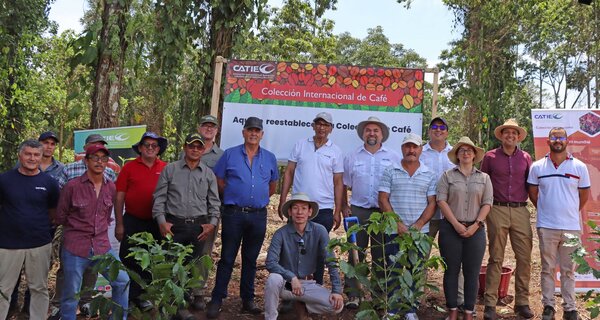
Jorge León Arguedas: The Botanist Who Helped Protect Coffee’s Future
-
 By David Henry Contributor
6 November 2026
This edition of our Seed Heroes series celebrates Jorge León Arguedas, the Costa Rican botanist who helped build one of the world’s most important coffee collections. Decades later, the diversity he worked to conserve remains a resource for scientists developing the coffee varieties farmers may need next.
Jorge León Arguedas helped lay the foundations for a coffee collection that scientists still turn to today.
In Turrialba, Costa Rica, he collected, catalogued and cared for coffee plants, helping build a genebank where their diversity could be conserved and shared. That work lives on at the Tropical Agricultural Research and Higher Education Center, CATIE. Their International Coffee Collection holds nearly 2,000 samples of coffee diversity – coffee trees that represent the world’s cultivated varieties and wild relatives.
Different coffee varieties carry different traits. Some can help the crop cope with rising temperatures, changing rainfall or emerging diseases. Keeping the diversity of coffee alive gives breeders more options to develop coffee that farmers can continue to grow and coffee lovers can continue to enjoy.
“The legacy of Arguedas remains very much alive in CATIE’s International Coffee Collection, which continues to conserve and make available a remarkable diversity of coffee genetic resources for research, breeding and education,” says William Solano, CATIE’s current genebank manager.
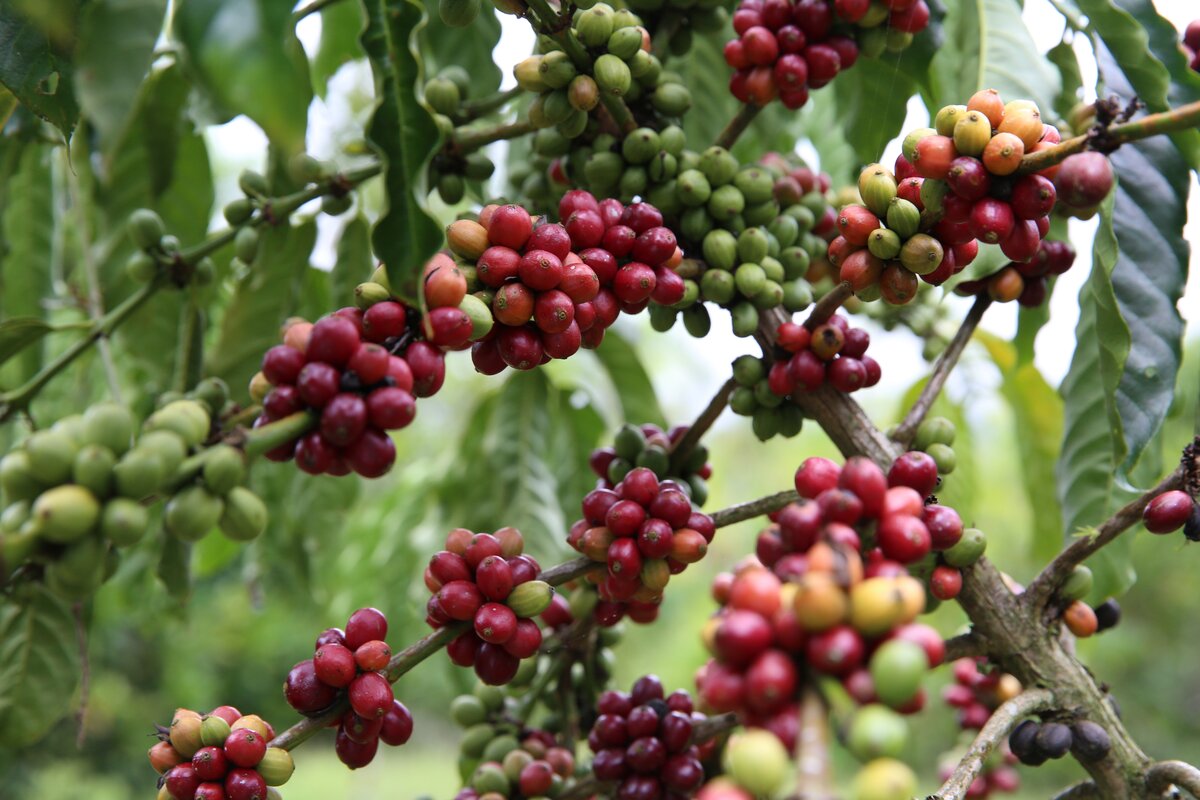
Coffee berries conserved by CATIE. Photo Credit: Crop Trust
From the Classroom to Plant Collecting
León Arguedas was born on 9 December 1916 in Barva de Heredia, Costa Rica. His first career was in teaching. After graduating in 1936, he began working at a primary school in Juan Viñas.
A request from the National Museum helped set him on a different path. The museum’s director, Juvenal Valerio Rodríguez, asked the school to send a local plant specimen. León Arguedas delivered it in person. The two became friends and Valerio became his mentor.
Valerio later offered him a job at the National Herbarium. From 1940 to 1943, León Arguedas worked there as a botanist, collecting specimens and exploring Costa Rica’s plant life. Those journeys also informed his first book, New Geography of Costa Rica, which he finished writing at just 25, according to García’s profile published in the journal Revista de Biología Tropical.
Building a Home for Coffee Diversity
In 1947, León Arguedas joined the Inter-American Institute of Agricultural Sciences in Turrialba, the institution from which CATIE later developed. He introduced and maintained plant collections, organized seed exchanges, and helped establish its genebank and botanical garden. The garden now bears his name.
CATIE’s International Coffee Collection began in 1949. After completing a doctorate in botany in 1953, León Arguedas returned to Turrialba, where he focused on establishing and maintaining plant collections, especially coffee, until 1955.
Collecting was only part of the task. Plants had to be kept alive and made available to others. By building collections and supporting exchanges, León Arguedas helped give researchers access to material they could study and use to improve crops.
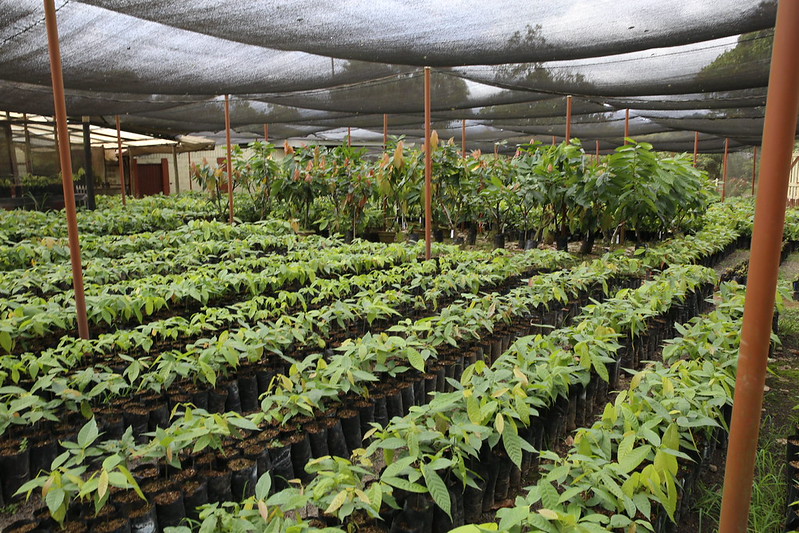
Coffee plants conserved by CATIE. Photo Credit: Crop Trust
Sharing Plants and Knowledge
Coffee was one part of a wider commitment to crop diversity. In the 1960s, León Arguedas worked in Peru, promoting research on Andean crops and helping establish plant collections. He then spent eight years at the Food and Agriculture Organization of the United Nations in Rome supporting plant conservation and the global exchange of genetic resources.
He returned to Costa Rica in 1976 to lead CATIE’s Genetic Resources Unit. Until his retirement in 1983, he developed collection projects, laboratories and seed rooms while teaching and mentoring graduate students. He continued sharing his knowledge long after retirement.
“For those of us who had the privilege and honor of working under his leadership, Dr León Arguedas represented the fatherly figure that we turned to for knowledge,” says Dr Jorge Morera, a scientist who worked with him at CATIE for more than a decade. “His name remains alive in every seed stored in genebanks, which he dedicated himself to creating and sharing through all agricultural centers in our hemisphere.”
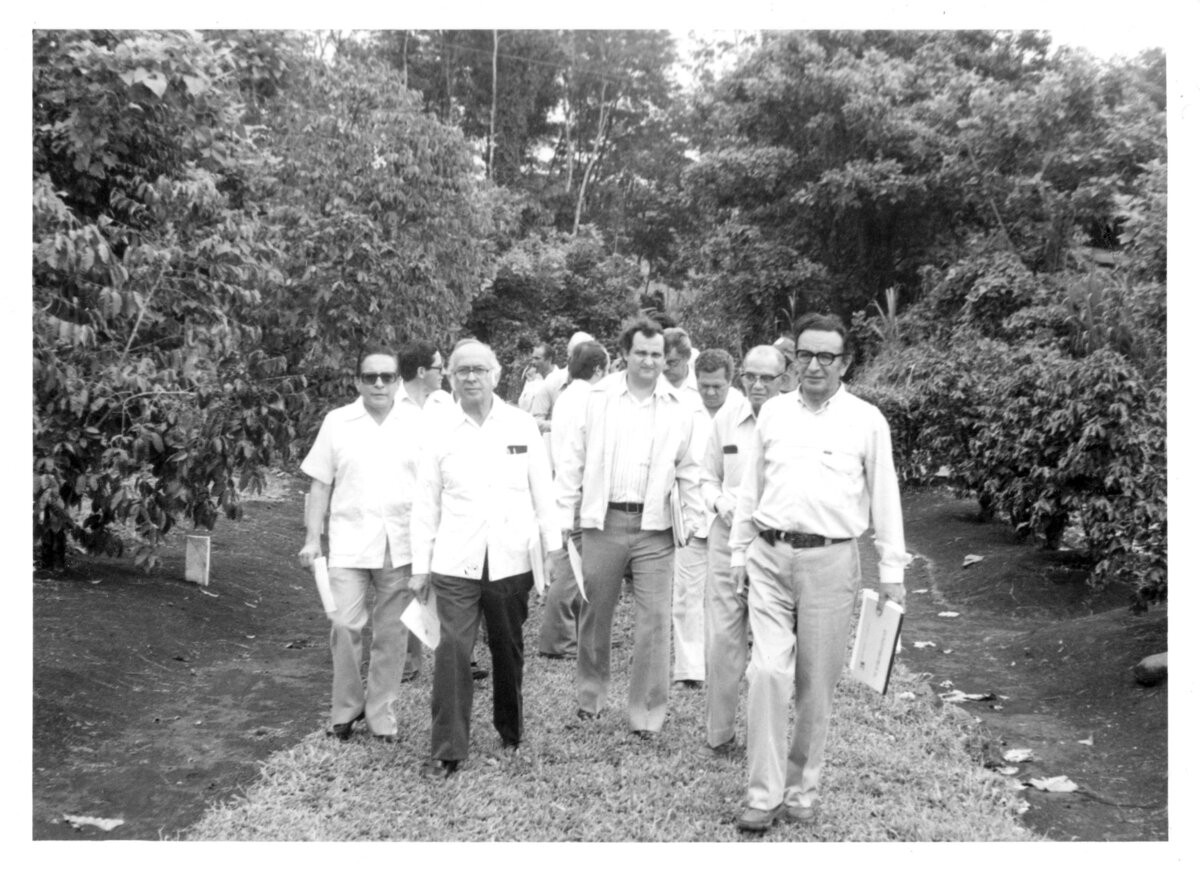
Dr Jorge León Arguedas presenting the CATIE coffee collection to the PROMECAFE Advisory Council in 1980. Photo Credit: CATIE
Keeping his Legacy Growing
León Arguedas died on 5 June 2013. The coffee collection he helped build continues to serve researchers and breeders, but its survival depends on sustained care and support.
At CATIE, coffee diversity is conserved as living plants. Aging trees, disease and unreliable funding have put the collection at risk. The Crop Trust and its partners are helping CATIE safeguard this collection, so the diversity gathered over decades remains available for future use.
Jorge León Arguedas is a Seed Hero whose work continues to benefit coffee research. Caring for the plants that he helped conserve is one way to carry that work forward.
Through Coffee Forever, you can help protect the diversity behind the coffee we love. Every donation supports coffee conservation, keeping more options available to the farmers and scientists shaping coffee’s future. Support Coffee Forever.
Jorge León Arguedas helped protect coffee’s future by collecting, conserving and sharing its diversity. Decades later, the collection he helped establish at CATIE gives scientists valuable crop diversity to develop coffee varieties for a changing climate. His legacy earns him a rightful place among the Seed Heroes whose vision continues to benefit farmers and protect the crops we depend on.
Timeline
1916: Born on 9 December in Barva de Heredia, Costa Rica
1936: Graduates as a teacher
1940-43: Works as a botanist at the National Herbarium
1942: Completes his first book, New Geography of Costa Rica
1947-51: Develops plant collections and the botanical garden at IICA in Turrialba
1953: Earns a doctorate in botany
1953-55: Establishes and maintains plant collections, especially coffee, at IICA
1955-62: Leads IICA’s Department of Plant Science
1962-68: Directs IICA’s Andean regional research program in Lima, Peru
1968: Publishes The Botanical Foundations of Tropical Crops
1968-76: Works on plant genetic resources at FAO in Rome
1976-83: Heads CATIE’s Genetic Resources Unit
1979: Chairs the International Coffee Germplasm Committee
1983: Retires and continues teaching and advising
2013: Dies on 5 June
Categories: For Educators, For Students, Coffee
Related Articles