How Digital Technology is Transforming Genebank Management Across Africa
-
 By Natalia Rodriguez Digital and Design Officer
12 December 2025
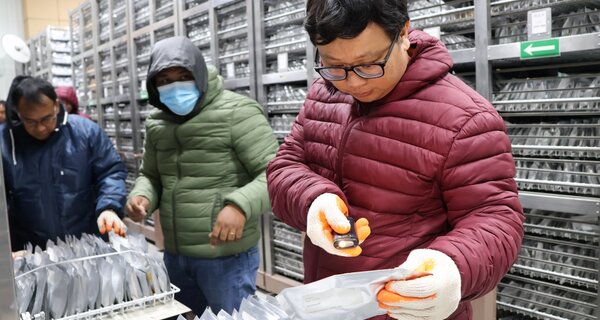
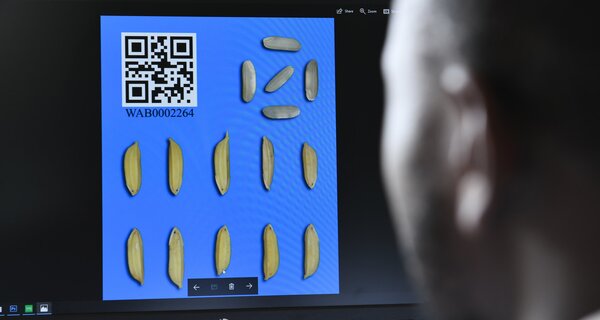
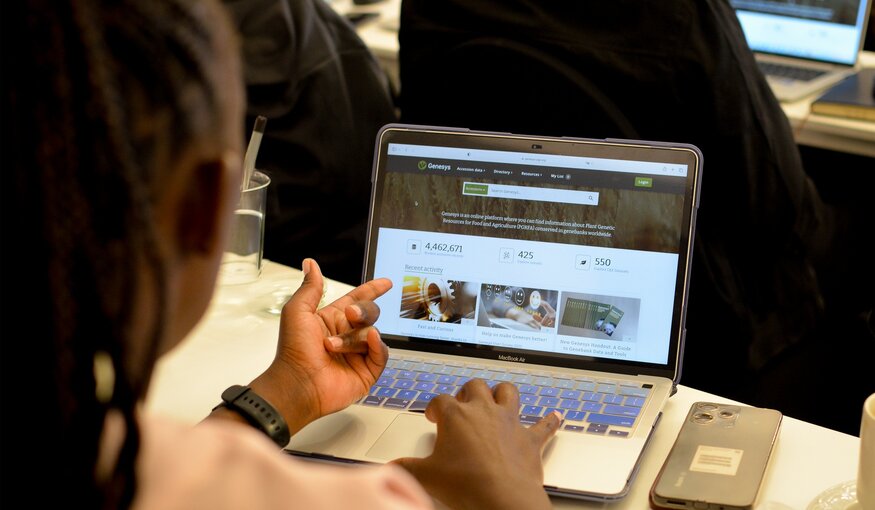
In a genebank outside Nairobi, a technician scans a barcode label on a seed envelope. Instantly, a screen fills with data – where the seed was collected, when it was last tested and whether it has duplicates safely stored elsewhere. Just a few years ago, this information might have been kept in notebooks or scattered across spreadsheets. Today, it’s part of a regional data network linking genebanks across Africa. This transformation has been made possible by two digital tools – GRIN Global Community Edition (GGCE) and Genesys.
Similar changes are unfolding at the Plant Genetic Resources Research Institute (PGRRI) in Ghana and the National Centre for Genetic Resources and Biotechnology (NACGRAB) in Nigeria. At these national genebanks, seed packages are now barcoded, inventories are digitized and data is shared efficiently with national and global partners.
These digital tools are reshaping how genebanks in Africa – and indeed elsewhere around the world – conserve and share their crop diversity. Countries are transitioning from isolated record-keeping to interconnected digital data management, ensuring that their agricultural heritage is conserved, accessible and future-ready.
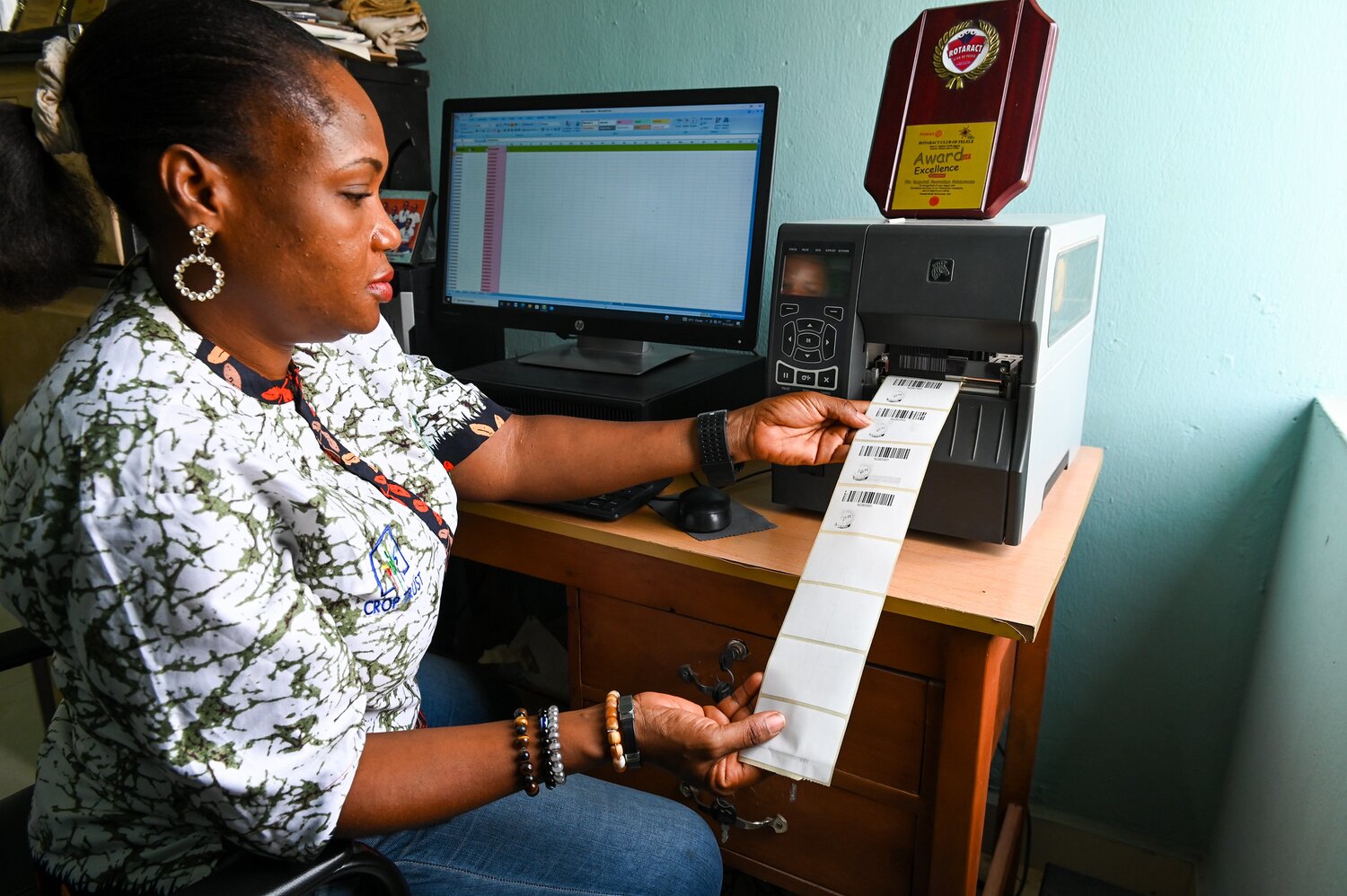
Aiyemidun Adejumoke Ikupolati, IT Data Manager printing barcodes at the National Centre for Genetic Resources and Biotechnology (NACGRAB) in Ibadan. Photo: Neil Palmer/Crop Trust
From Paper to Pixels
For many genebanks, digital modernization is more than just increasing efficiency – it’s a safeguard for the future. Barcoding and electronic tracking allow seeds to be traced, monitored and regenerated more easily and accurately, which reduces loss and improves transparency.
In Kenya, the Genetic Resources Research Institute (GeRRI) Genebank has digitized more than 54,000 accessions. The institute uses GGCE to track seed viability, record observations and generate reports in seconds. Integration with Genesys connects GeRRI to the global research community, allowing scientists to request materials online.
With GGCE, we comfortably manage data and generate reports quickly. Everything is integrated, efficient and reliable. And then the magic happens with Genesys. Researchers can request materials directly through our embedded Genesys platform – no emails or calls needed. Requests come straight to us, and we process them fast.
In Nigeria, NACGRAB once managed its entire seed collection manually. Every label hand-drawn, every record written by hand. With support from the Crop Trust Seeds for Resilience project, over 8,500 accessions have now been cataloged and more than 6,000 items barcoded. Thanks to GGCE, the shift from manual to digital is improving genebank operations.
Before GGCE, everything in our genebank was done manually. We had no proper database – records were scattered and inconsistent. With GGCE, we cleaned all our data, assigned inventory numbers and barcodes, and put our genebank into a proper and well-arranged format.
At PGRRI in Ghana, similar progress can be seen. Over 4,700 accessions have been digitized. GGCE now supports daily operations and facilitates data sharing. Together, these three genebanks are demonstrating how technology can turn decades of handwritten records into dynamic, accessible data systems.
Knowledge Shared, Knowledge Grown
To ensure this transformation takes root, building local capacity is essential. That’s where the GOAL-DM Workshops – short for Genebank Operations and Learning: Data Management – come in.
In June 2025, a week-long workshop in Johannesburg, South Africa, brought together more than forty genebank staff from across the continent. Participants learned how to implement GGCE, manage digital inventories and share data through Genesys. Trainers included Crop Trust experts and African peers who are already using these systems.
“This is a good meeting because we’re able to interact with other genebanks – those who have adopted GGCE, those still evaluating it and even some hearing about it for the first time,” said Joseph.
The peer trainers shared practical strategies – from customizing GGCE for local needs to overcoming connectivity challenges. These workshops are more than training, they’re communities of practice. For many attendees, it was their first glimpse into how national data systems can truly integrate into a global network.
“I first started as a participant, unsure if we could ever get it right,” says Afolabi. “Today, I’m a trainer. The more I teach others, the more I learn myself.”
A Connected Future
The Crop Trust’s work with Kenya, Ghana and Nigeria demonstrates how technology is transforming national genebanks. By integrating GGCE and Genesys, these countries are building the digital foundations of the long-term conservation and availability of crop diversity.
Lessons learned from this work are shaping regional initiatives. In the Southern African Development Community (SADC), training on GGCE is demonstrating how digital systems can strengthen local genebank platforms. Through the Enhancing Genebank Data Management in SADC project funded by the German Federal Ministry of Agriculture, Food and Regional Identity (BMLEH), genebanks in Angola, Zambia and Zimbabwe are planning modern, web-based information platforms powered by GGCE. These efforts offer a glimpse of how future integration with global systems could unfold.
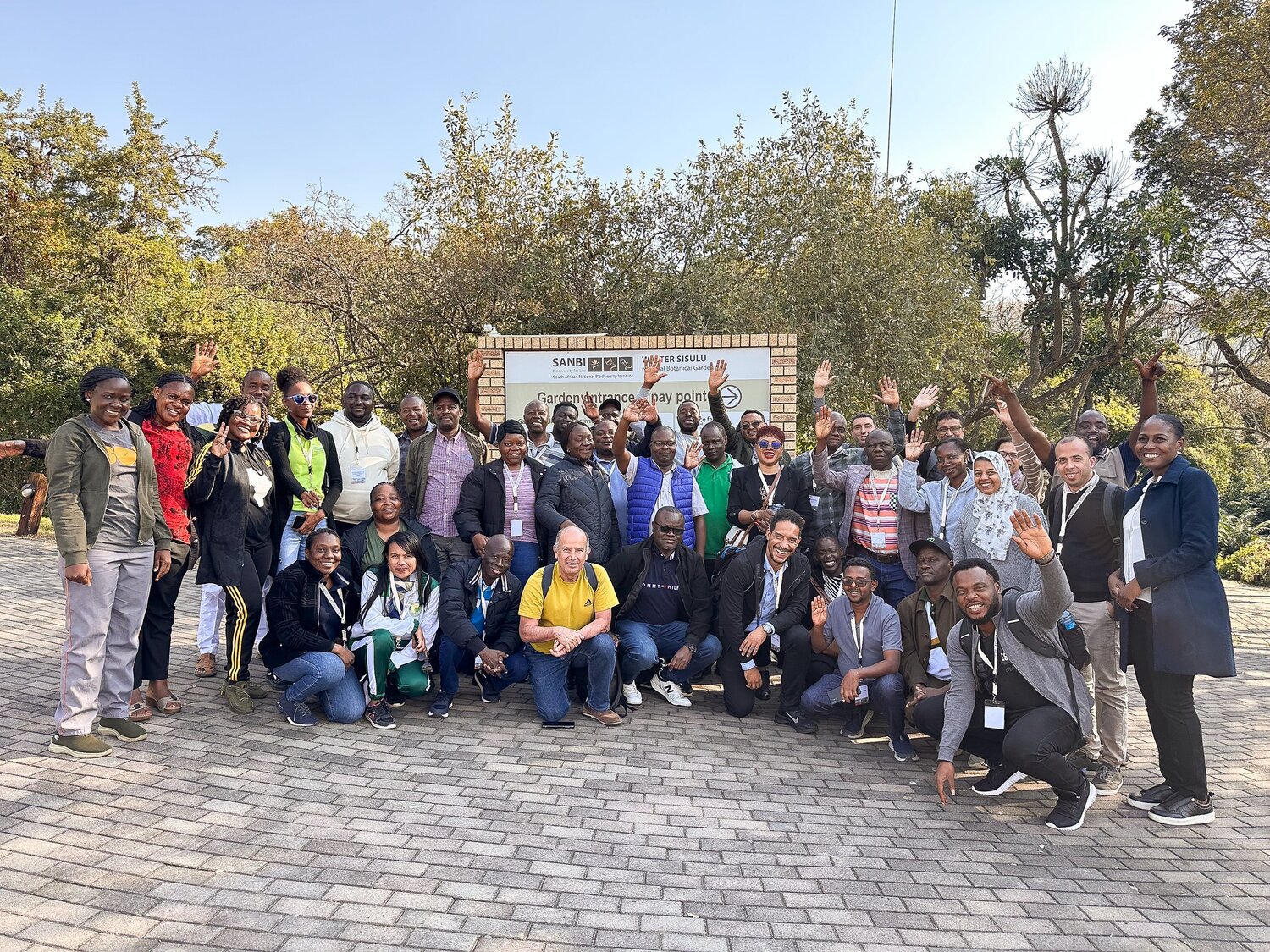
Genebank professionals from across Africa at the GOAL-DM data management workshop in Johannesburg, South Africa. Photo: Natalia Rodriguez/Crop Trust
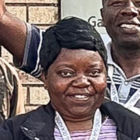
Attending this workshop was a privilege, hearing firsthand how others are applying these tools showed us what’s possible.
By improving how data is managed, exchanged and understood, the project is helping Africa’s genebanks evolve into digital conservation centers connected to a global ecosystem of agricultural innovation. Seeds are no longer just stored – they are tracked, shared and safeguarded for generations to come.
Categories: For Partners, Data & Information Systems, Seeds for Resilience
Related Articles