From Rome to the World: Working Together to Protect Crop Diversity
-
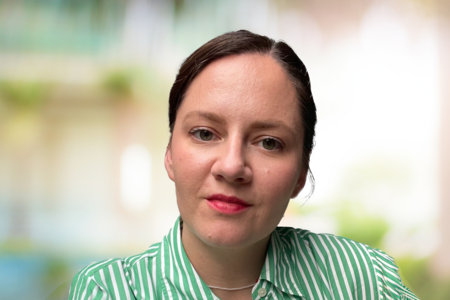 By Marta Millere Outreach and Engagement Lead
16 March 2026
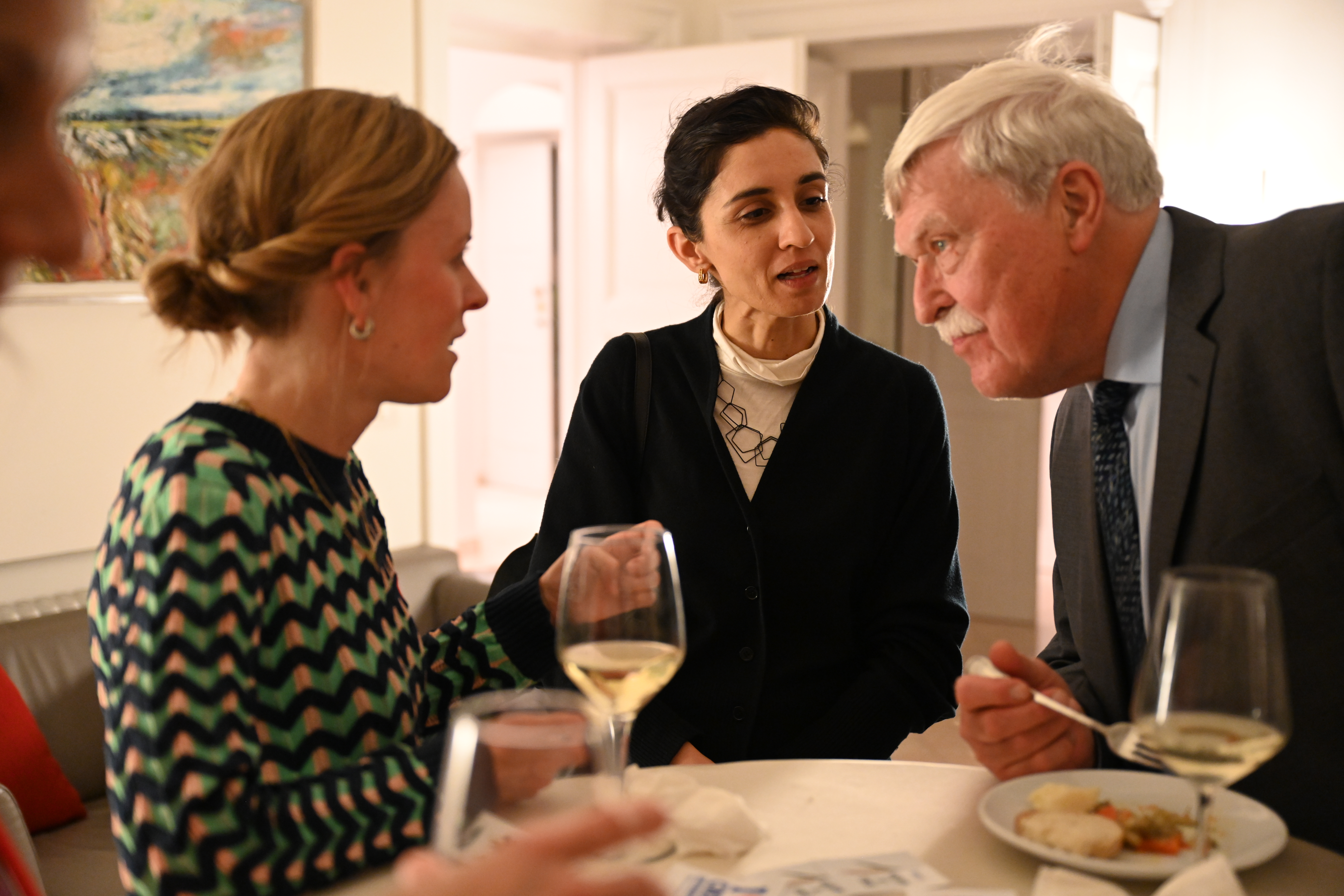
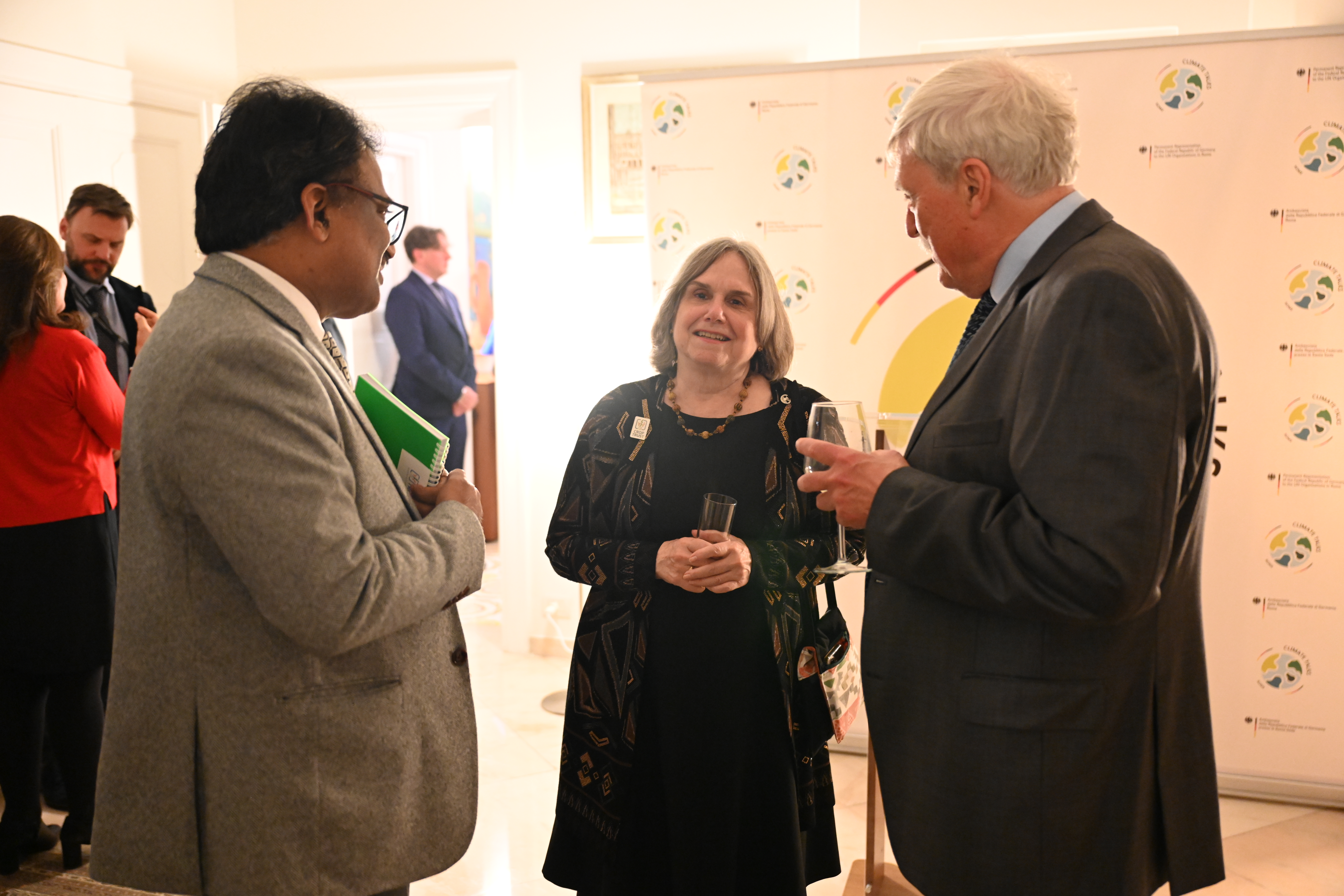
On a spring evening in Rome, leaders interested in global food security gathered for the German Embassy’s Climate Talks to discuss the very foundation of food – crop diversity. Ambassador Andreas von Brandt, Permanent Representative of Germany to the UN organizations in Rome, hosted the reception as both a celebration and a serious discussion on securing the future of food – and the world.
The event is the latest example of the Crop Trust’s engagement with governments around the world. Each event brings together policymakers, experts and communicators to better understand crop diversity and the policies and partnerships needed to safeguard it, especially in genebanks.
Opening the evening, Ambassador von Brandt highlighted the value of crop diversity to researchers, farmers and beyond. He underscored that crop diversity underpins the global food system and that seed collections can spark innovation in agriculture.
“I think we have to show to what extent these seedbanks also benefit countries in the Global South. For private companies, of course, seedbanks form the basis for breeding programs, which means that it is also in the direct interest of commercial entities to preserve genetic resources,” he said.
“The Crop Trust remains a long-standing and valued partner in the conservation and use of agrobiodiversity. We need to use all our channels to contact new funders and inspire them for Crop Trust's mission.”
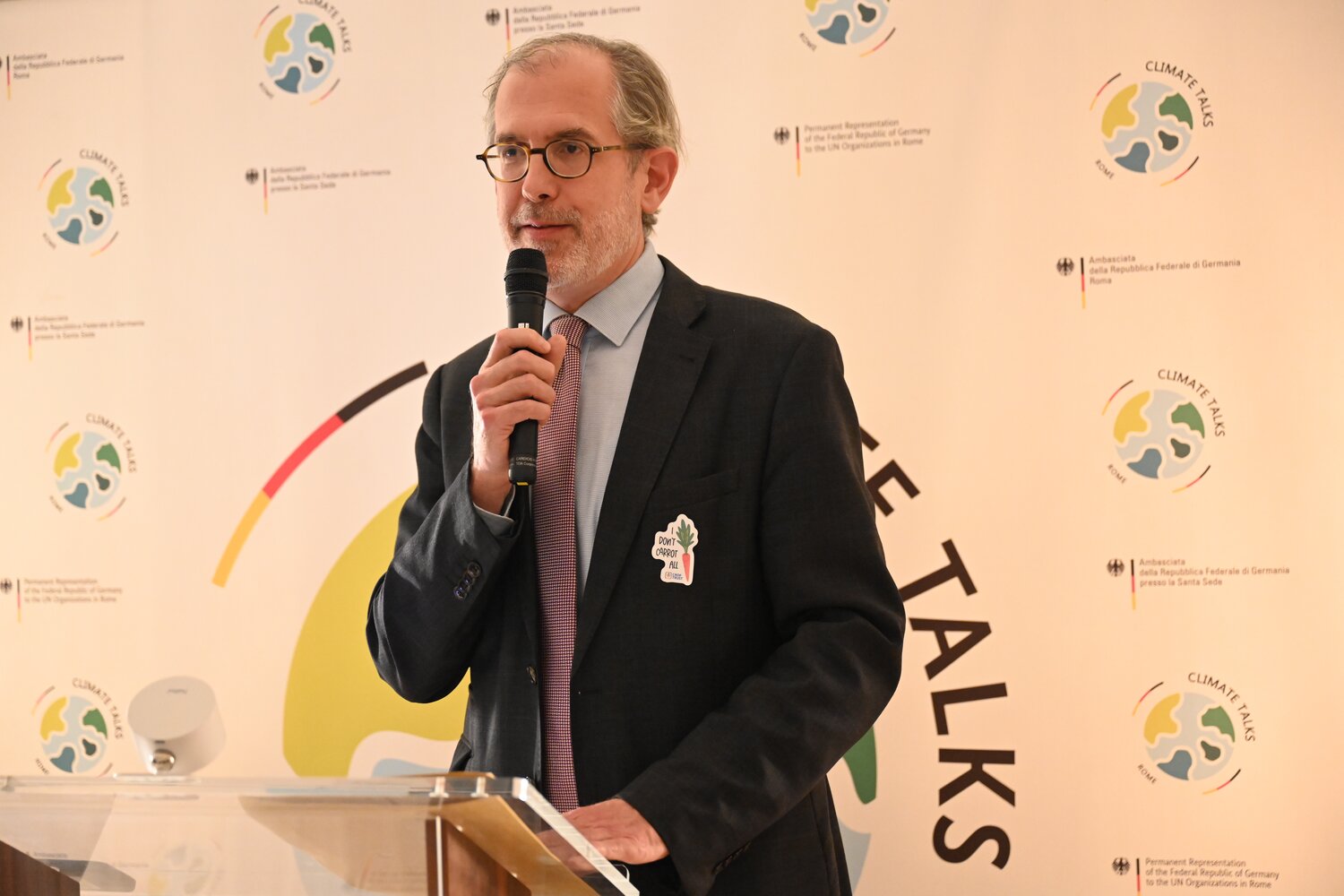
Ambassador von Brandt warmly welcomes attendees while sporting a humorous Crop Trust sticker “I do not carrot all”. Photo: Petra Pajdakovic/Crop Trust
Kjersti Sommerset, Norway’s Permanent Representative to the UN organizations in Rome, underscored the vital role of the Svalbard Global Seed Vault – a global “bank for the banks” holding nearly 1.4 million seed samples. She stressed that safeguarding crop diversity is essential for national preparedness and long-term food security in uncertain times. Guests were invited to enter VR and take a virtual tour of the Svalbard Global Seed Vault. The tour offers an immersive look inside the Arctic facility where back-up seed samples of the world’s crop diversity are safeguarded for the future.
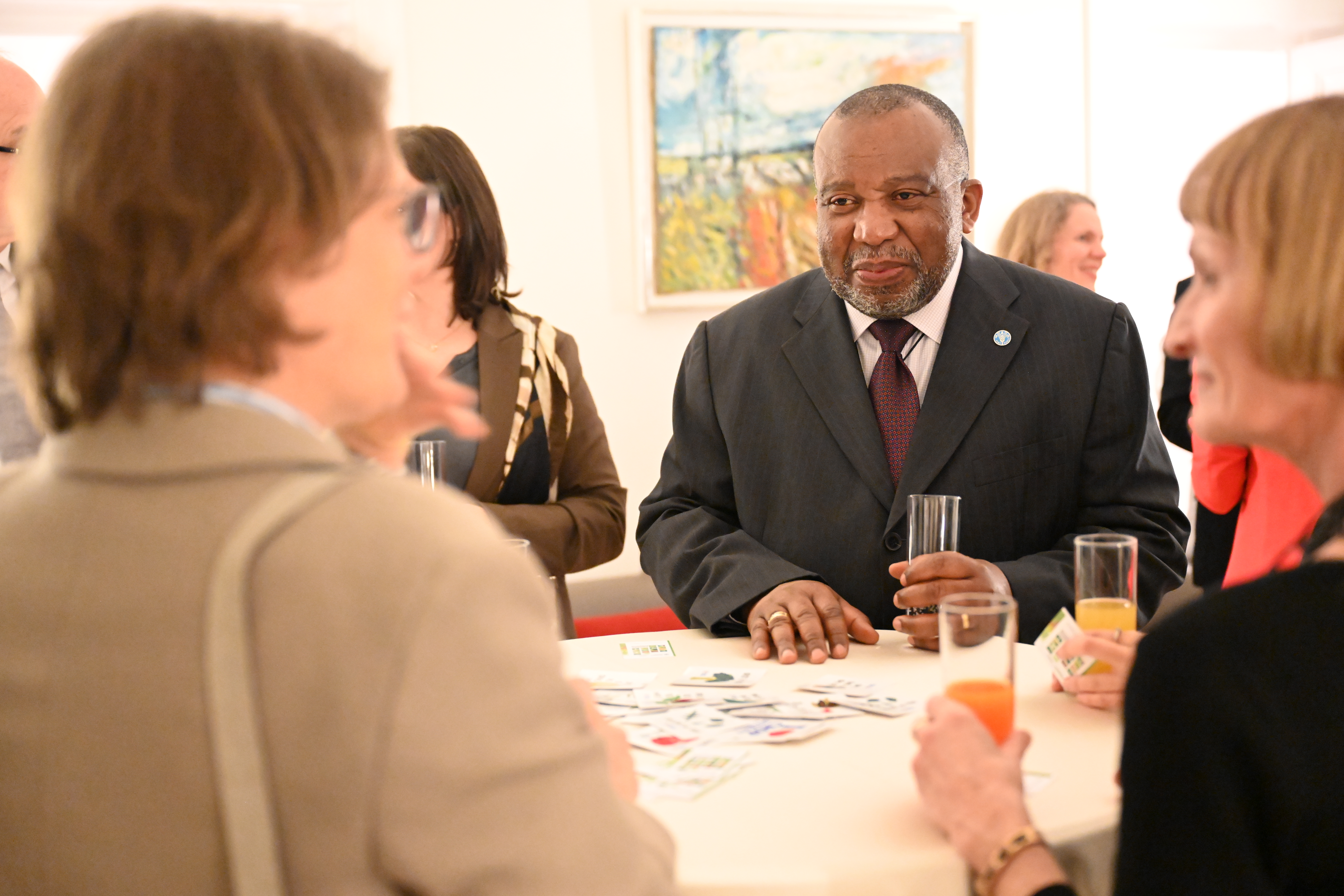
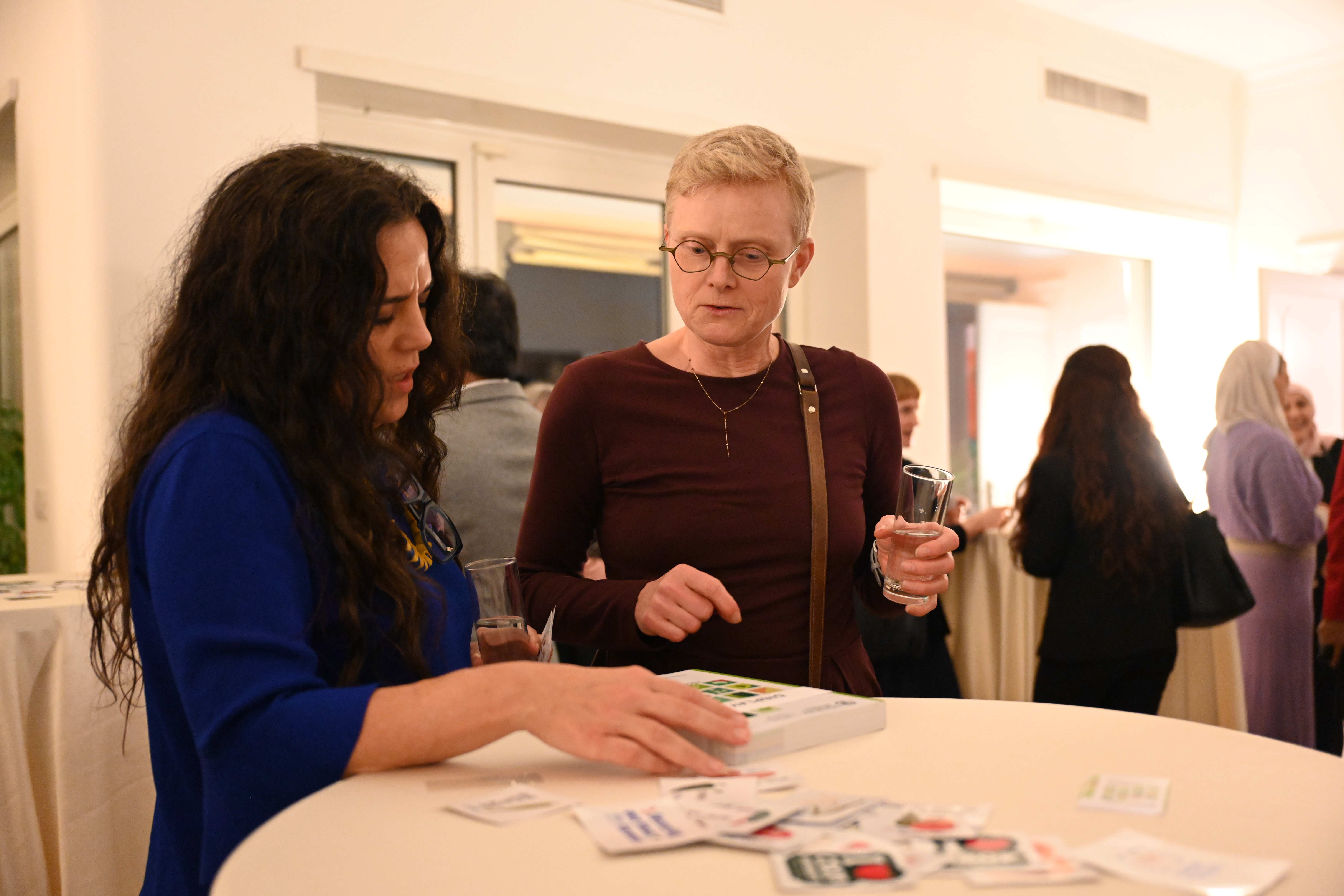
The evening’s theme appeared not only in the conversations but also on the table. Guests sampled Italian dishes built around crops whose histories stretch far beyond Italy – pistachios first domesticated in the highlands of Iran, tomatoes that originated in South America, and wheat born in the Fertile Crescent, alongside puntarelle, the crisp Catalogna chicory native to Lazio, the region surrounding Rome.
While many crops on the menu trace their origins across continents, the food itself only traveled a short distance. The caterer grows many ingredients in a garden just outside Rome, bringing global crop diversity and local food production together on the same plate.
This reflects how crop diversity itself is protected – in a worldwide network of institutions, scientists and communities working together.
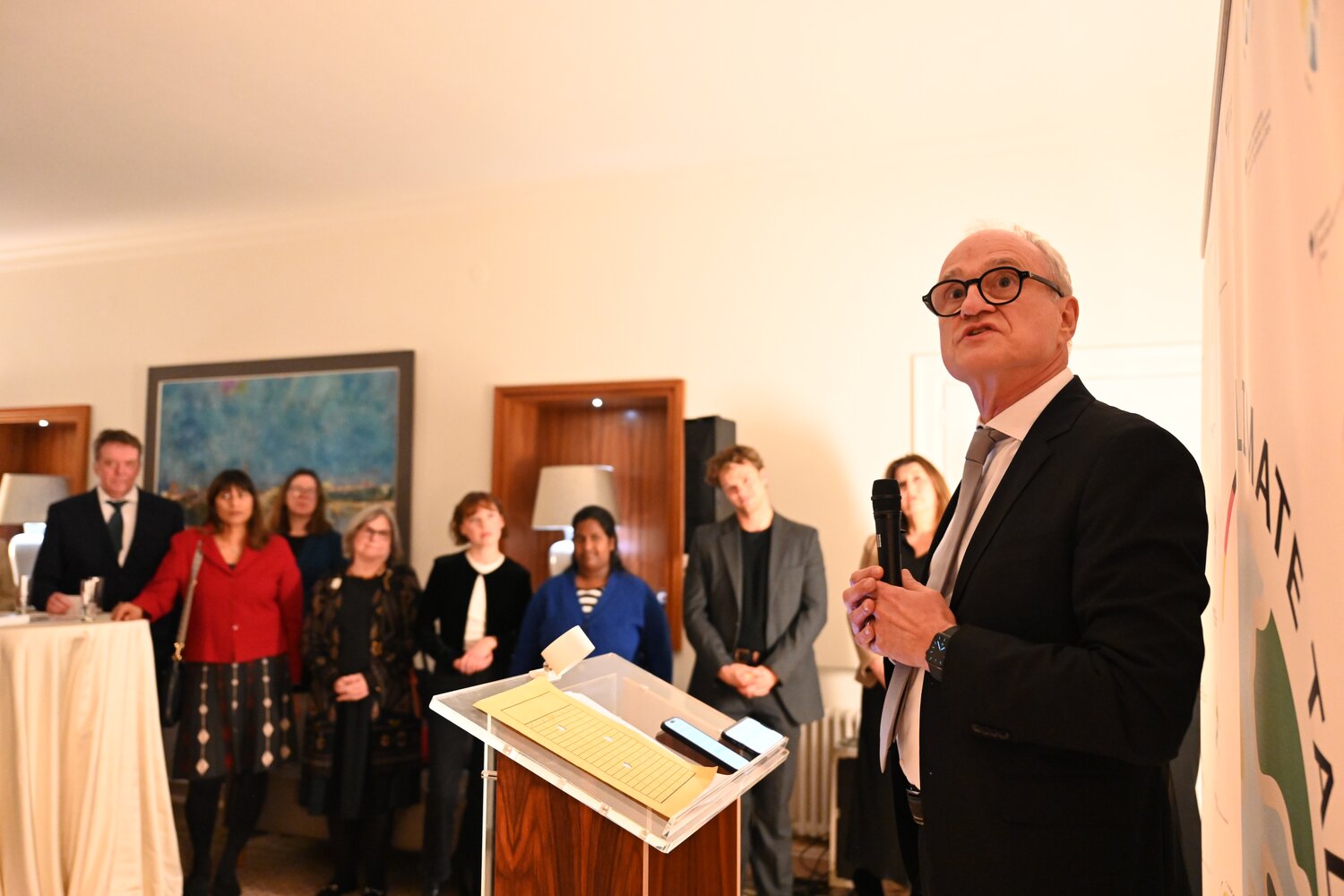
Stefan Schmitz, Executive Director of the Crop Trust, reflected on the organization’s roots in Rome and its global work supporting genebanks, highlighting the importance of international cooperation to safeguard crop diversity for the future. Photo: Petra Pajdakovic/Crop Trust
Stefan Schmitz, Executive Director of the Crop Trust reminisced: “The Crop Trust is an international organization established 22 years ago right here in Rome. It's a child of Rome. It spent the first 10 years of its childhood in the rooms and premises of FAO and Bioversity International before it moved from the Tiber to the Rhine in Bonn.”
“For over two decades, the Crop Trust has supported national and international genebanks around the world. Those collections hold the genetic diversity that agriculture will need in the decades ahead. Protecting that diversity depends on cooperation. The Crop Trust works with more than 100 partners – research institutes, universities and genebanks – around the world. Our latest idea is bringing genebanks closer together with botanic gardens, as they too hold important crop diversity. Millions of people know about botanic gardens, so they are far closer to the public.”
The importance of botanic gardens and the diversity of crops, cultures and knowledge they protect was echoed by Her Royal Highness Princess Basma bint Ali of Jordan, a member of the Crop Trust Executive Board and founder of the Royal Botanic Garden of Jordan.
“It is through unity that we must celebrate our diversity, because it is diversity which strengthens us,” she said.
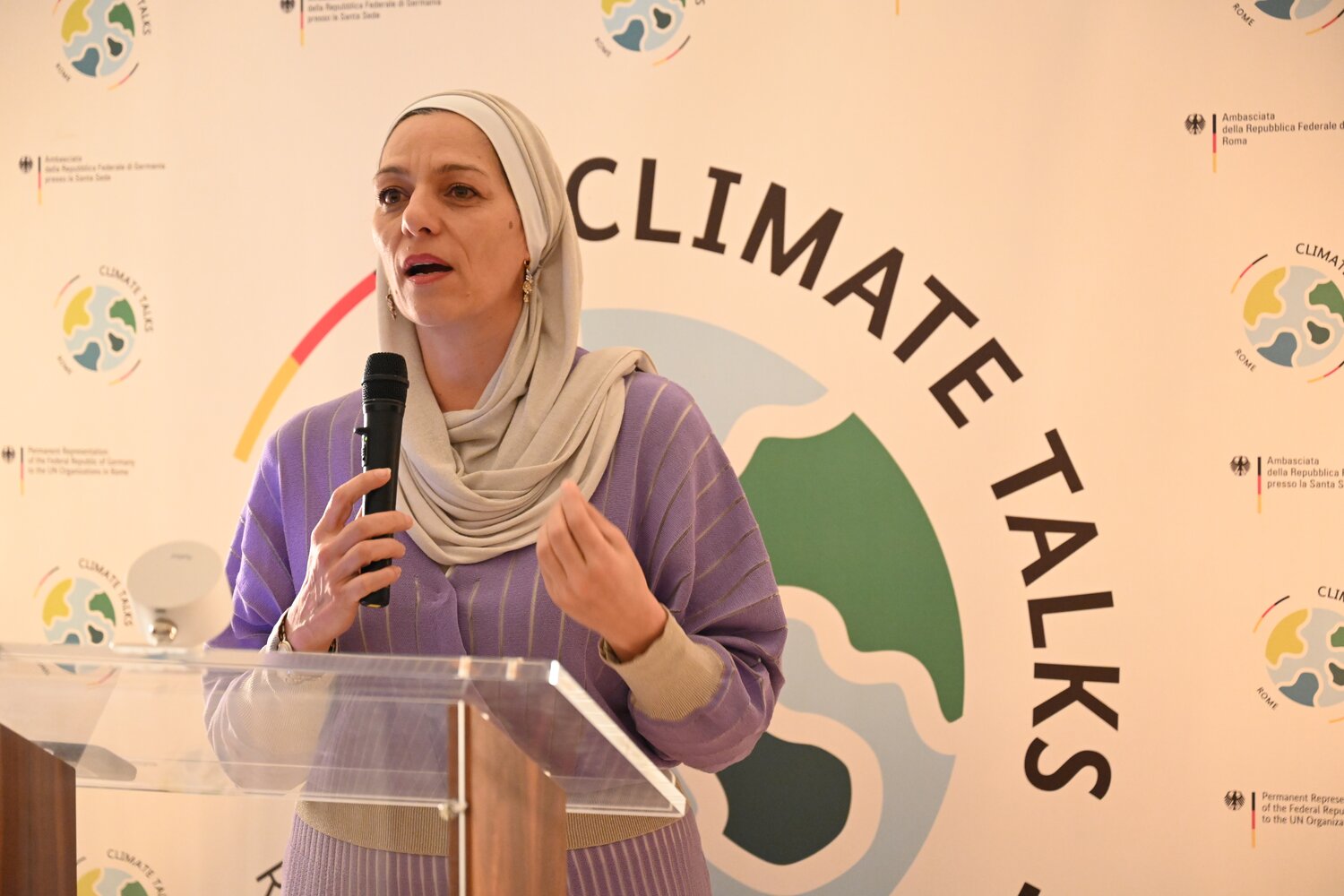
Her Royal Highness Princess Basma bint Ali of Jordan, the newest member of the Crop Trust Executive Board and founder of the Royal Botanic Garden of Jordan, spoke about the importance of botanic gardens and the rich diversity of crops, cultures and knowledge they safeguard. Photo: Petra Pajdakovic/Crop Trust.
International cooperation is also central to the work of the Food and Agriculture Organization of the UN (FAO) Commission on Genetic Resources for Food and Agriculture. The Commission’s Senior Liaison Officer Dan Leskien reflected on the significant progress that the world has made in conserving crop diversity.
“Ex situ conservation is an area in which the Crop Trust has become a global champion,” he said, describing the Svalbard Global Seed Vault as “a powerful icon and a symbol of mutual trust and global cooperation. Information systems and international collaboration among genebanks have improved, and more collections are now safely duplicated to ensure their long-term security”.
In fact, nearly 5.9 million seed samples are conserved in genebanks worldwide. Information on about 75 percent of them is now available through Genesys, which makes it far easier for researchers and breeders to find and use this diversity.
“None of us can or need to do everything alone. Sharing responsibility and working together ultimately benefits us all,” said Dan Leskien, reflecting on what makes Rome unique in the global effort to address hunger.
And, as the evening repeatedly emphasized, collaboration remains essential.
“This isn't a political place where people come to make political points,” said Catherine Bertini, Chair of the Crop Trust’s Executive Board. “It's a place where people come to find ways to feed the world. Everybody is here to improve the world.”
Let’s all work together to improve the world by safeguarding the diversity of the crops that feed the world.
Categories: For The Press, For Partners, For Policymakers
Related Articles
The Global Conservation Consortium for Food Plants Launches to Strengthen Global Food Security
25 Sep 2025