Bringing Durum Wheat Back to Morocco’s Drylands
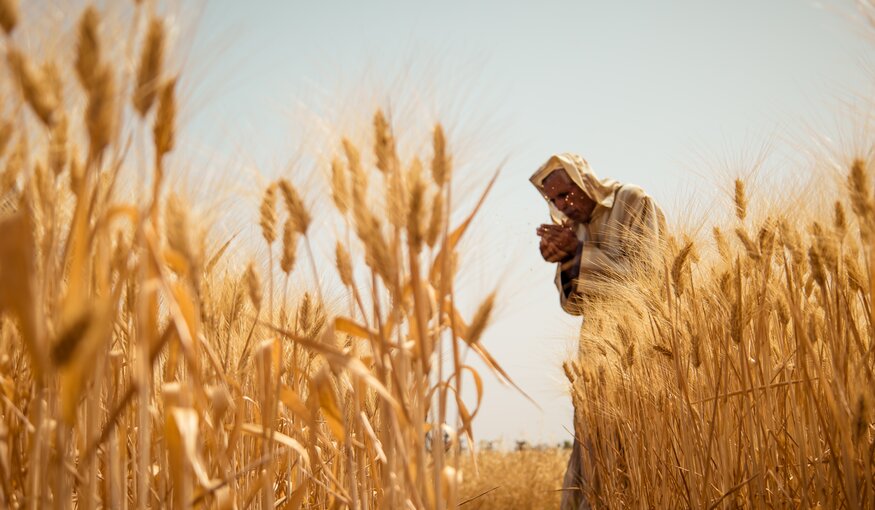
A Moroccan farmer taking part in the BOLD Project examines the seeds of the Jawahir variety, now growing on his own farm. Photo: Zineb Belhadfa/Crop Trust
2 September 2026
Years of drought pushed durum wheat out of parts of Morocco. Today, farmers, breeders and the Crop Trust are working together to bring it back, developing new varieties designed for a harsher climate and the realities of farming.
A brilliant blue sky stretches over lush wheat fields rippling in the wind. “This is a landscape you rarely see in Jemâa-Shaim,” says Dr Filippo Bassi, a plant breeder at the International Center for Agricultural Research in the Dry Areas (ICARDA) in Morocco.
Exceptional rainfall has brought local farmers a welcome reprieve after years of drought. The 2025–2026 agricultural season has been marked by recovering crop production and improving water supplies.
But one good season cannot erase the long-term challenge. Climate change is making growing conditions hotter and less predictable. In some of Morocco’s harshest agricultural regions, durum wheat – the key ingredient in couscous, pasta and traditional breads – had become increasingly difficult to grow. Some farmers abandoned it altogether.
Now, three new Moroccan durum wheat varieties offer the prospect of bringing it back: Jawahir, Nachit and Sabil.
- Jawahir, distinguished by its amber grain, matures early and has performed strongly in dry seasons and arid environments.
- Nachit, recognizable by its black awns, has shown promising performance in oasis production systems and irrigated fields, which can also be affected by water scarcity.
- Sabil is attracting farmers’ attention for its yield potential, drought tolerance, grain colour and size, as well as the quantity of straw it produces.
“These varieties represent the future of durum wheat in Morocco,” says M. Bounaga, a farmer in Marchouch. “They give us confidence to continue despite the droughts. There isn’t a single farmer who walks past these plots without stopping, looking at them and wanting to try them.”
Jawahir and Nachit have been registered by Morocco’s National Institute for Agricultural Research (INRA) and are undergoing seed multiplication at the Société Nationale de Commercia’ fields lisation de Semences (SONACOS) and are expected to reach farmers in 2027 and 2028. Sabil is undergoing the last steps for its official release.
All three of these varieties are a result of seven years of collaboration among farmers, INRA and ICARDA through the Crop Trust BOLD project. All three give farmers hope for the future.
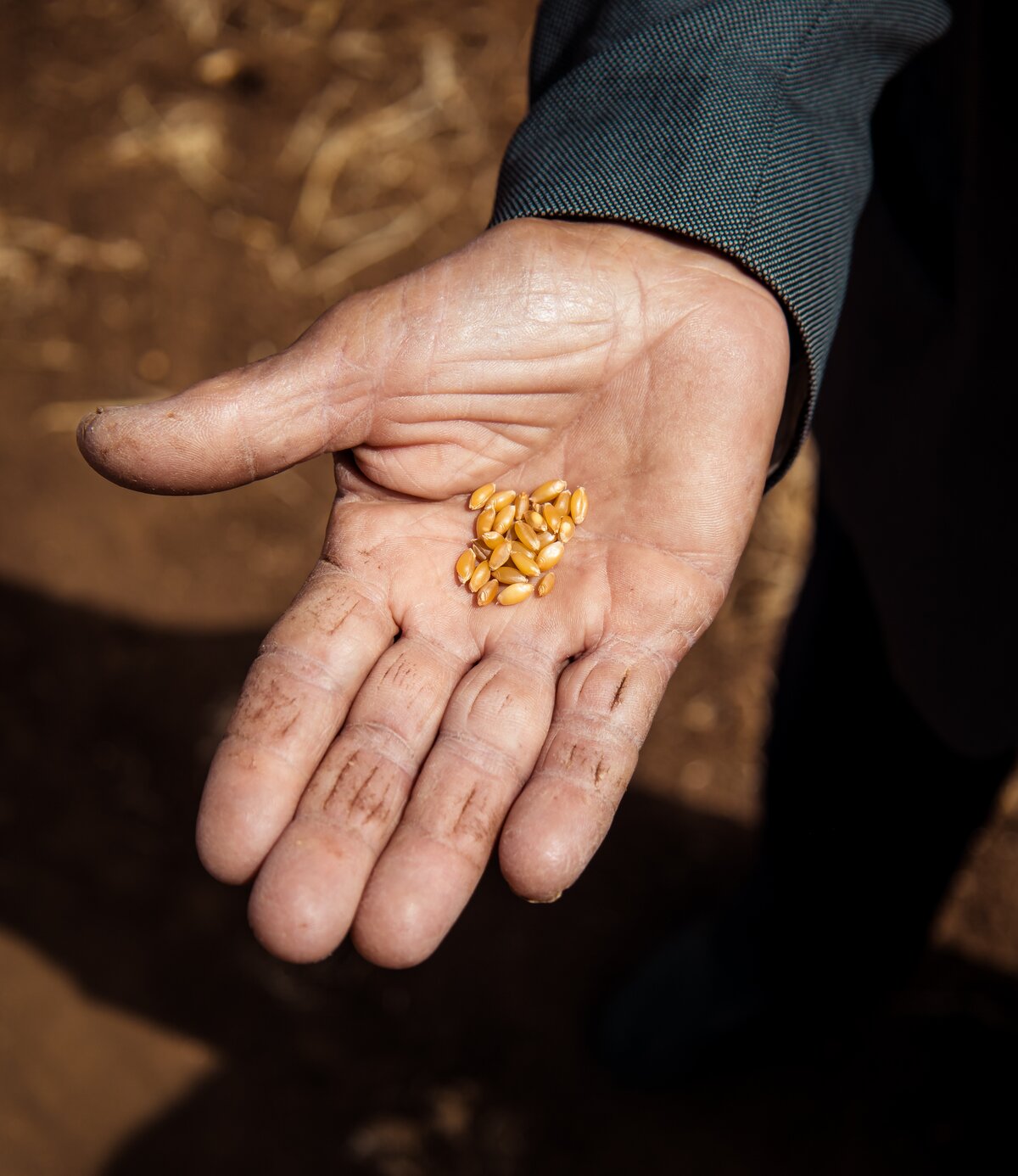
Jawahir seeds are known for their distinctive dark colour, highly valued by farmers for the colour it gives to the flour. Photo: Zineb Belhadfa/Crop Trust
A Crop Comes Home
The significance of this work is particularly visible in Aït Baha, south of Agadir, where harsh conditions drove farmers to sow other cereals.
“It has been decades since we last grew durum wheat on our farm,” says Mohammed, a farmer from the region. “There wasn’t enough water anymore.”
With support from researchers throughout the growing season, Mohammed began testing the crop again.
“Today, durum wheat has found a place here,” he says.
But developing durum wheat that can grow in these conditions is only part of the challenge. To make a difference, a new variety must also earn farmers’ confidence.
A recent BOLD-supported study found that participatory testing, conducting trials directly by farmers, significantly increases the likelihood that new varieties will be adopted.
“As farmers, the climate-related challenges we face drive us to favour varieties we already know, even if they are sometimes no longer the best suited or most resilient,” says Youssef A., a farmer from Jemâa-Shaim. “Now that I have grown them myself, I am confident. I will even tell my neighbors to use them”
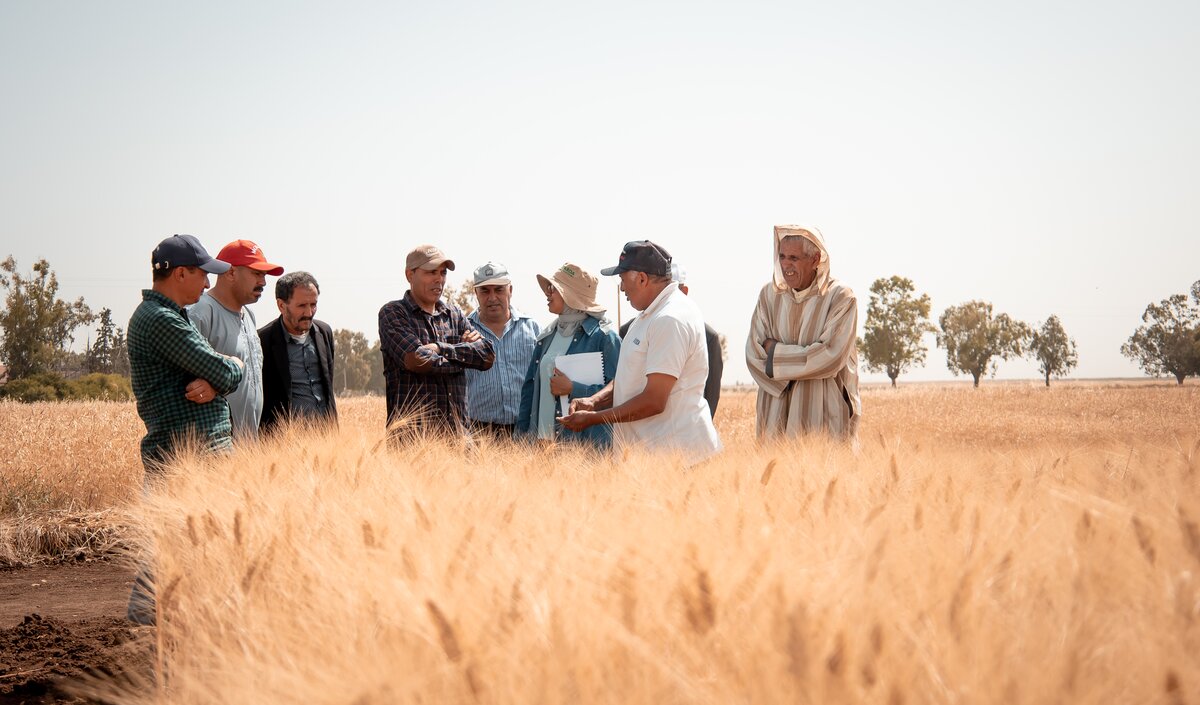
In the dry region of Marchouch, BOLD scientists and farmers come together to discuss the new varieties being tested and share their preferences. Photo: Zineb Belhadfa/Crop Trust
Breeding Beyond Yield
Every year, ICARDA and INRA researchers supported by the Crop Trust travel more than 2,000 kilometres across some of Morocco’s driest agricultural regions. From the semi-arid plains of Settat to the isolated farms of the Argana Valley and the hot landscapes of Aït Baha, they test experimental wheat on working farms.
“We test the varieties directly in farmers’ fields, where they are exposed to the realities of heat, drought, poor soils and climate variability,” says Bassi, who also leads BOLD project work in the country.
Farmers evaluate the plants alongside researchers. Their observations help determine which varieties advance and which characteristics matter most.
Yield and drought tolerance are essential, but farmers also consider maturity, grain colour and size, straw production, market demand and food quality. In mixed farming systems, for example, straw provides valuable animal feed. A grain’s appearance can influence the price it fetches in local markets. And taste and aroma help determine whether families will embrace a new variety.
“To our surprise, some traits we initially considered secondary – such as height, the colour of the ears or even the aroma of the bread – proved to be essential for farmers,” says Bassi. “Their feedback helped us develop varieties that are not only scientifically stronger, but also much more likely to be adopted.”
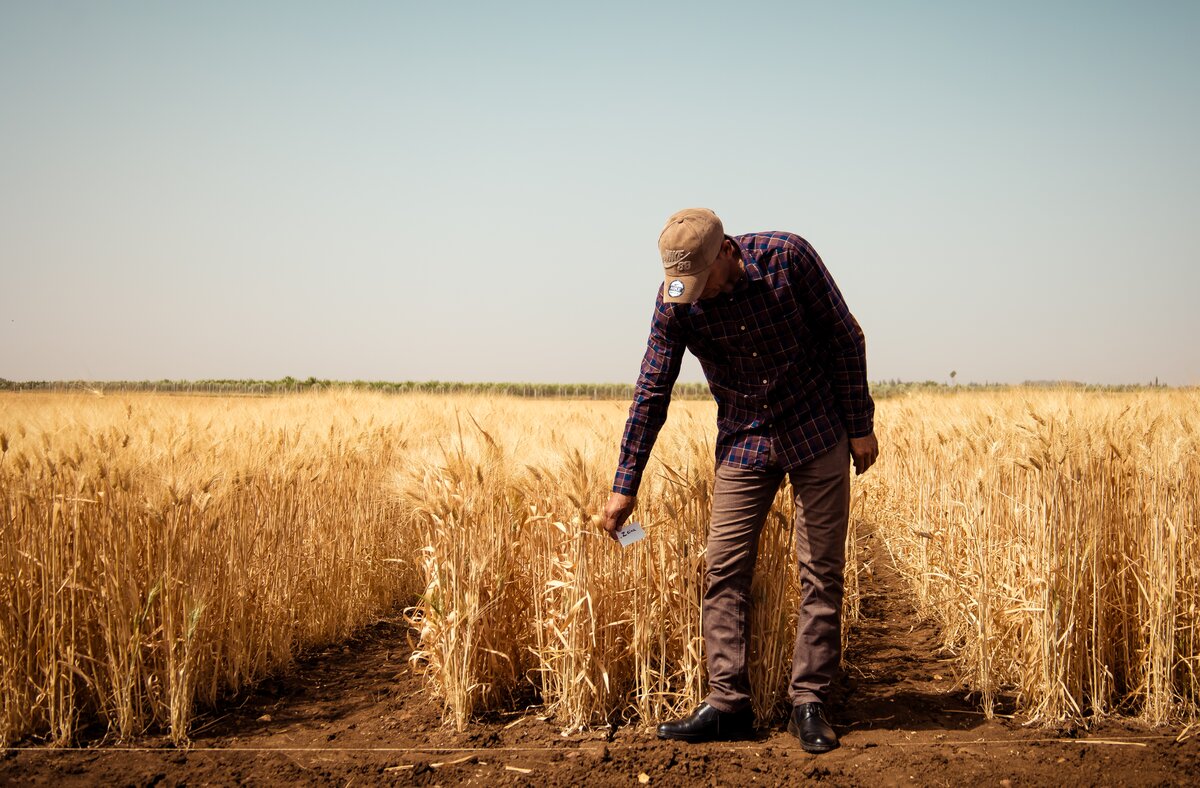
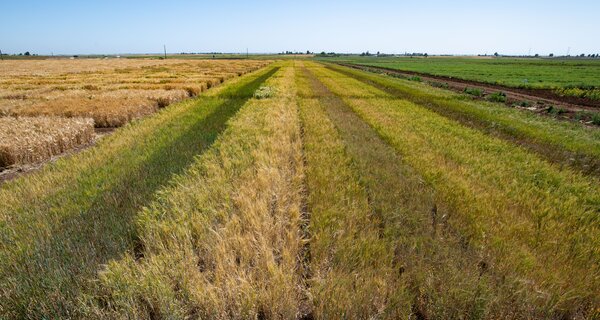
BOLD trials of new Moroccan varieties are showing very promising results in dry, sandy soils. Photo: Zineb Belhadfa/Crop Trust
Ready for the Next Drought
For Hassan K., who manages a farm in the Argana Valley, participating in the trials has changed his relationship with agricultural research.
“Today, I am part of the process,” he says. “The researchers listen to us. They take our observations into account. For the first time, I feel that my experience truly matters.”
This approach also supports Morocco’s ambition to increase the share of certified seed originating from national breeding programs to 40 percent of the cultivated area by 2030.
Jawahir, Nachit and Sabil will face their next test as seed multiplication progresses and they move beyond evaluation plots. The impact of these new varieties depends on whether enough high-quality seed can be produced, whether they are accepted by farmers and whether they continue to perform once they reach more farmers.
For now, the fields around Jemâa-Shaim are green and drought can feel like a distant concern. But farmers here know how quickly the landscape can change. Jawahir, Nachit and Sabil did well this season, but they were bred for the seasons when the rain does not come – and shaped by the farmers who will need to grow them. Their real test will come with the next drought. Next time, Morocco’s durum wheat farmers may be better prepared.
This story attracted broad media attention in Morocco, with coverage in Arabic, French and English. Prominent outlets including national public broadcaster SNRT News, Hespress, Morocco World News and Yabiladi highlighted the new varieties and their potential to help Moroccan farmers cope with increasingly difficult growing conditions.
Categories: For The Press, For Partners
Related Articles