The Roots of Liquid Gold: Protecting Olive Diversity
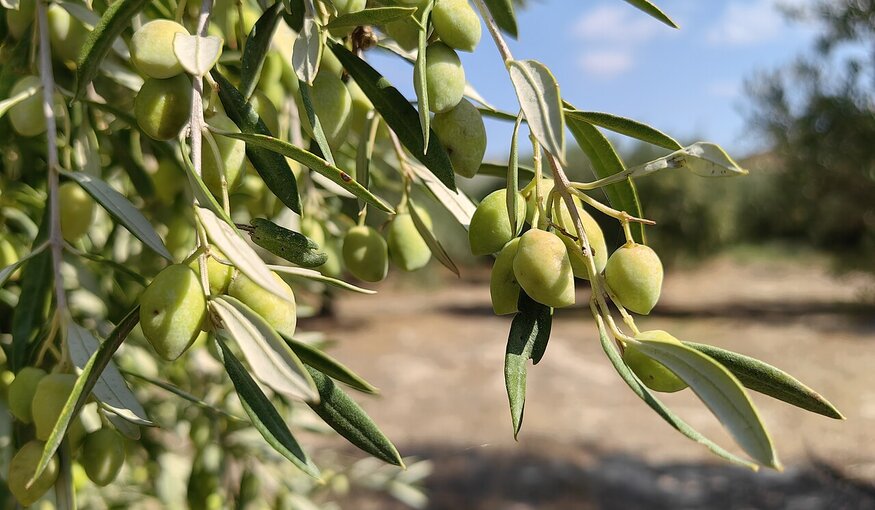
Koroneiki Olive Tree. Sitia, Lasithi, Crete, Greece. Photo Credit: Petro Stelte.
-
 By Marta Millere Outreach and Engagement Lead
25 November 2026
The Crop Trust and the International Olive Council are joining forces to develop a global strategy to protect the diversity behind olive oil’s distinctive flavors and guide investment into the future.
Often called ‘liquid gold’, olive oil elevates some of the simplest things we eat, whether drizzled over roasted vegetables, tossed in pasta or simply soaked up with a piece of bread. Its fruity, peppery and grassy notes reflect a diversity of olive varieties nurtured by generations of growers. Just as grape varieties give wine its character, olive varieties determine an oil’s aroma, bitterness and even color.
The droughts and extreme heat that damaged harvests across southern Europe between 2022 and 2024 brought the vulnerability of this golden kitchen staple into sharp focus. Prices soared, making olive oil more expensive for households around the world. Supplies have since recovered, but growers remain concerned about heat, water scarcity and disease.
To address these challenges and strengthen efforts to safeguard olive diversity, the International Olive Council (IOC) and the Crop Trust are joining forces to develop a Global Olive Conservation Strategy. Building on decades of work to safeguard this diversity and an MoU announced in October 2026, the partners will assess how olive varieties and their wild relatives are conserved, identify critical gaps and establish priorities to protect this valuable diversity for future generations.
The Diversity Behind the Flavor
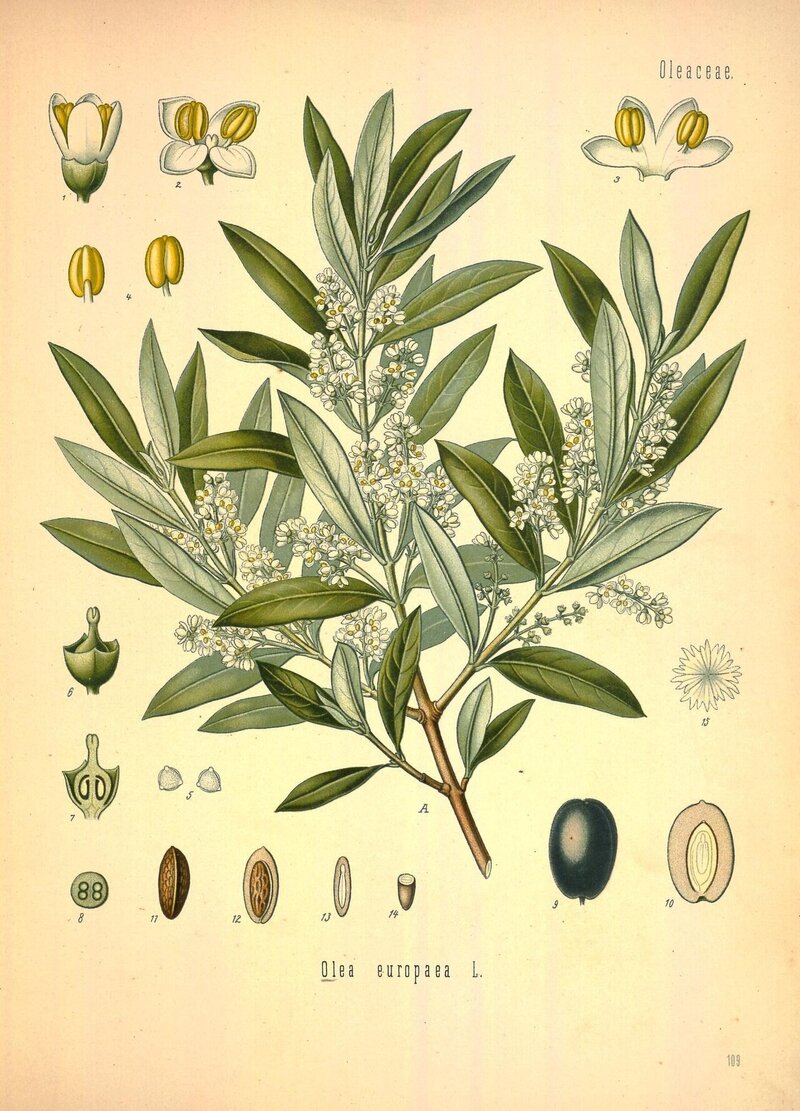
Botanical Illustration of Olea Europaea. Photo Credit: FE Köhler
More than 2,000 olive varieties grow worldwide, differing in oil quality and ability to cope with drought and disease. Yet the IOC has estimated that just 139 varieties grown in 23 countries account for 85% of global olive production. Conserving the wider diversity of olives keeps resilient traits available for research and breeding as growing conditions change.
Around the world, genebanks conserve around 1,200 olive varieties. Yet these collections do not cover the crop’s full diversity. Limited publicly available information and barriers to exchanging plant material can make it difficult for breeders and researchers to identify and obtain what they need. Many varieties are maintained as living trees in field collections, where they remain exposed to heat, drought and disease.
Decades of Conservation
The IOC has spent more than three decades building the foundations to address these challenges. They launched a genebank network in 1994, bringing together national and international collections across olive-growing countries. Together, these institutions conserve varieties and wild olive diversity, verify their identities and study their characteristics. The IOC’s World Catalogue of Olive Varieties makes this knowledge available to growers, nurseries and researchers.
This cooperation is already producing practical results. The IOC supported the EU-funded GEN4OLIVE project, with participating genebanks evaluating more than 500 varieties for characteristics such as stress tolerance, productivity and oil quality. Working with the FAO and Spanish authorities, the IOC also helped bring the Córdoba World Olive Germplasm Bank into the International Plant Treaty framework in 2024. The agreement standardizes processes for sharing the bank’s olive material with researchers and breeders worldwide, and for fairly sharing the benefits arising from its use.
In February 2026, the IOC and Spanish partners also helped deposit olive seeds in the Svalbard Global Seed Vault for the first time – a key outcome of the GEN4OLIVE project. The first deposit included seeds from 50 important cultivated varieties, along with wild olives from Spain. These seeds safeguard genetic diversity and complement the living collections of named olive varieties.
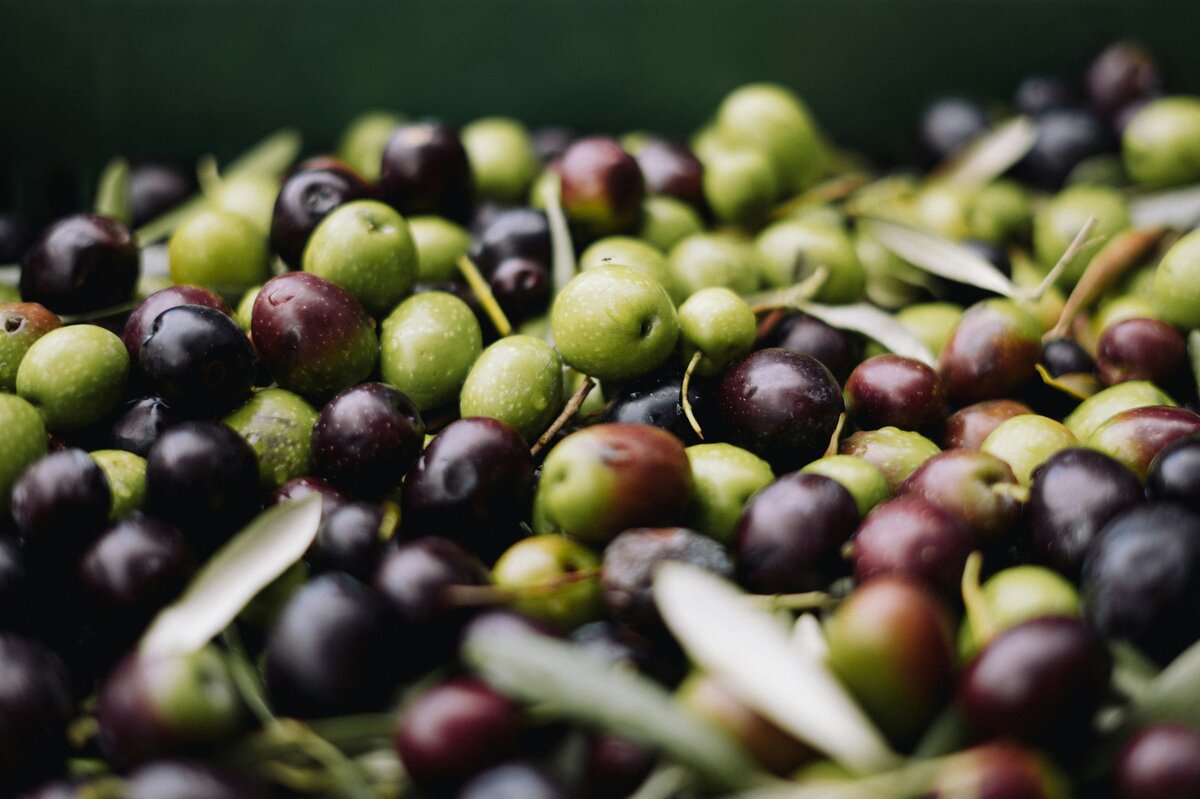
Mixed Olives. Photo Credit: Melina Kiefer
Priorities for Guiding Cost-effective Conservation
The new olive conservation strategy will build on these achievements and draw on the Crop Trust’s experience coordinating 41 global crop conservation strategies to date. It will connect existing research and collection data, identify missing information and use genebank surveys where needed. Reviews of key collections in Argentina, Morocco, Spain and Türkiye will take a deep dive to assess conservation practices and infrastructure against FAO Genebank Standards.
To develop the conservation strategy, the partners will consult with collection managers, breeders, researchers, and people working across the olive sector to determine priorities. An assessment will examine which diversity is conserved, how securely it is maintained, where safety duplicates are needed and how readily material and information can reach users. It will also consider how collections complement conservation in groves and wild populations.
The result will be recommendations and a workplan to guide institutions, policymakers and funders. They will target urgent gaps and coordinate responsibilities, with the aim of making conservation more cost-effective.
Conserving and sharing olive diversity gives growers and breeders more options as conditions change. Over time, this can help protect livelihoods and make supplies more dependable, while preserving the distinctive qualities of table olives and the olive oil we treasure as “liquid gold”.
Categories: For The Press, Crop Conservation Strategies
Related Articles