Coconut Conservation: Protecting Culture, Food and a Multi-Billion Dollar Industry
15 December 2025
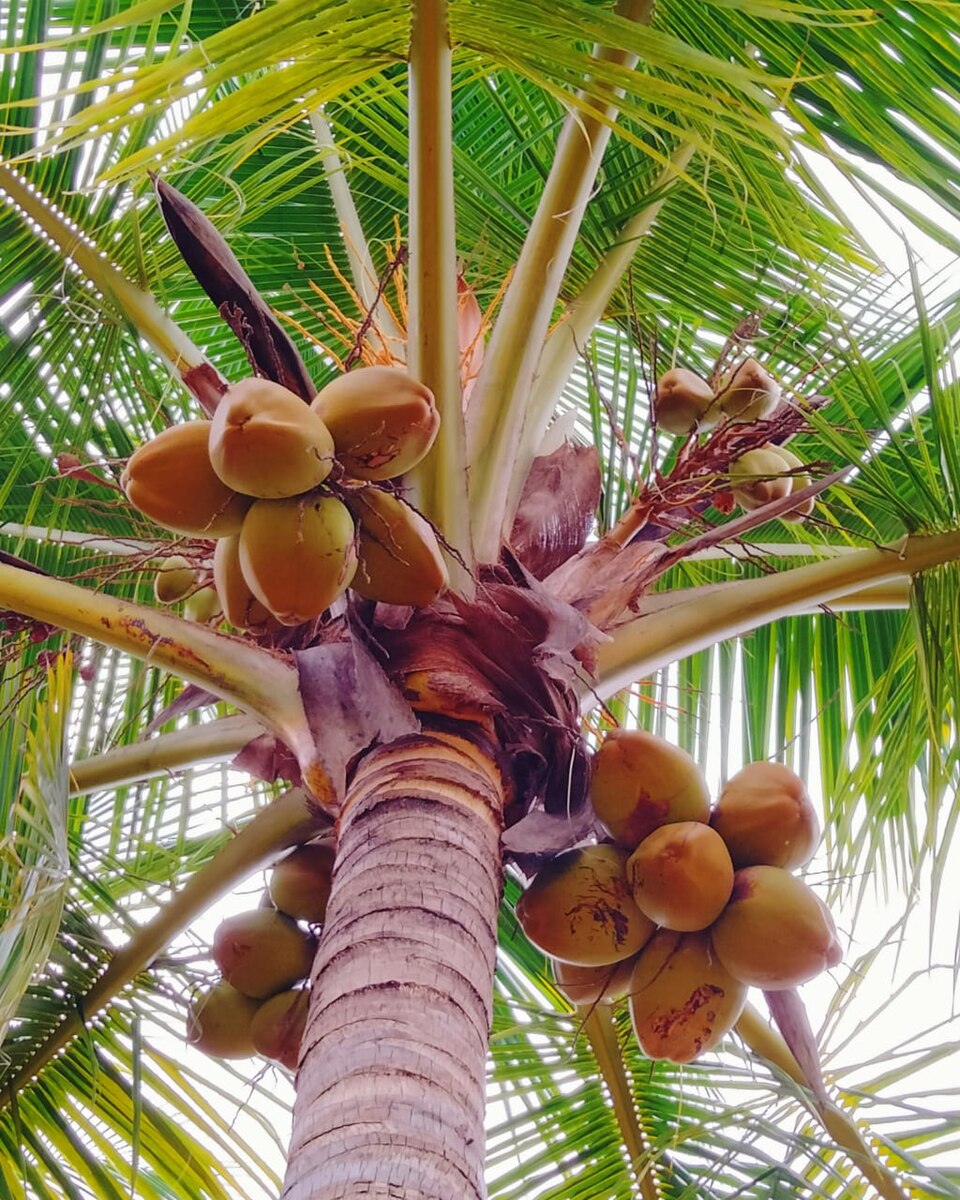
The coconut palm (Cocos nucifera) is more than a tree. It’s a lifeline. Nearly 100 million people in tropical regions depend on it for food, shelter and income. Its reach is global.
People eat from coconut bowls, sit on woven coconut mats, peer over coconut leaf fences and sweep with coconut husk brooms. From Fiji’s kokoda (raw fish in coconut cream) to the Run Down stew of Jamaica and Brazil’s moqueca, coconut flavors and fibers shape cuisines and cultures across the world.
This is reflected in folklore. In India, the palm is revered as Kalpavriksha, the mythical tree that provides all the necessities of life. In Samoa, the legend of Sina and the Eel tells the story of how coconut trees were created.
Beyond myth, the tree sustains daily life. Its strong roots stabilize coastlines, while its towering trunks offer protection from storms and cyclones. In their aftermath, coconuts provide food and fresh water.
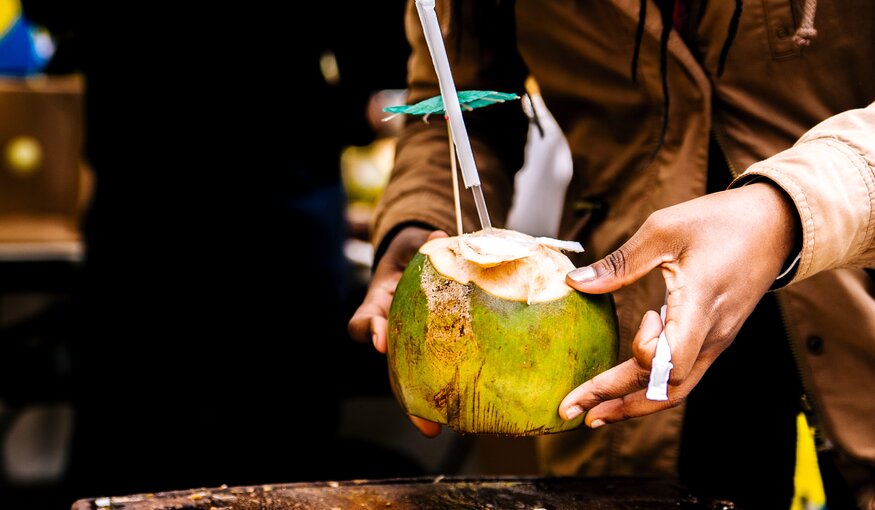
But you don’t have to feel a salty breeze on a sandy beach to reap the fruits of coconut’s varied uses. In 2023, total global production of coconuts was over 64 million tons, with products that included copra, the edible white interior of the coconut, coconut oil, and coconut water.
A Tough Nut to Conserve
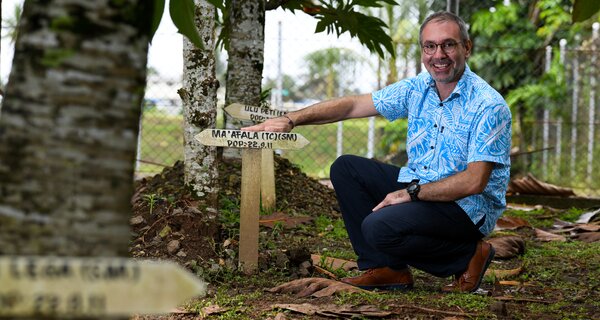
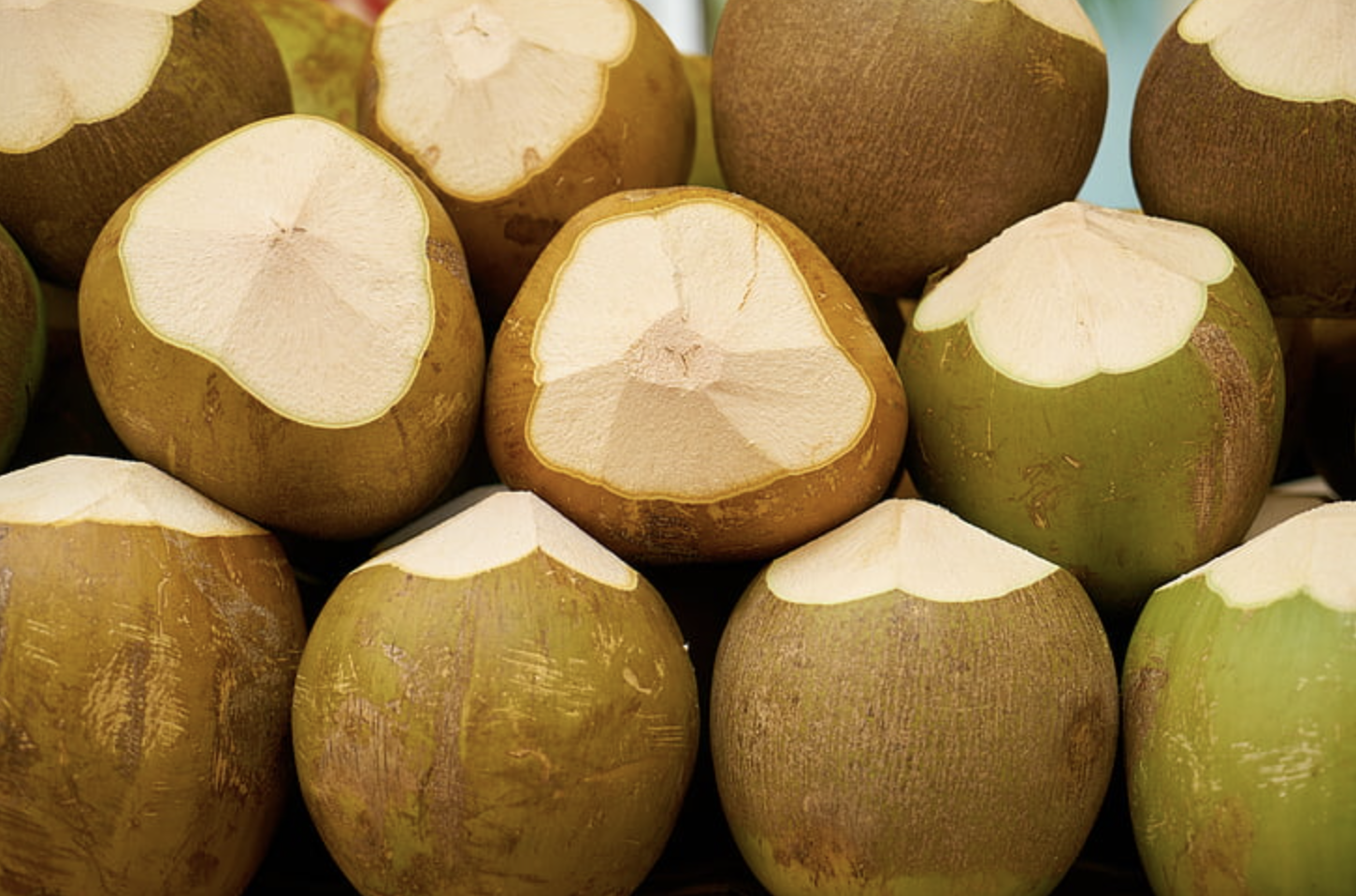
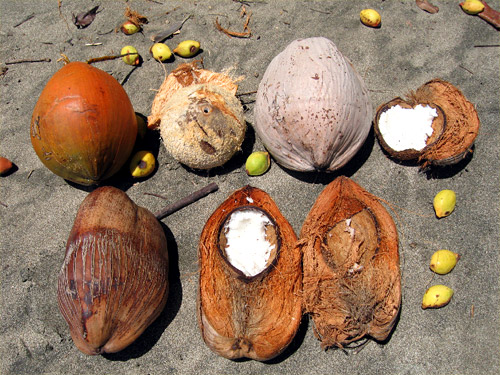
This global coconut business depends on an often overlooked thing – coconut diversity. The Global Crop Conservation Strategy for Coconuts recorded more than 1,500 coconut types conserved in 24 field genebanks in 23 countries. They have different names, characteristics, uses, and often roles in culture and folklore.
Coconut diversity can be conserved in a number of different ways. Field genebanks are the main one, containing collections of mature palms which allows scientists to evaluate their characteristics. The coconuts are harvested and used, but they are susceptible to pests, diseases and other calamities, both natural and caused by humans.
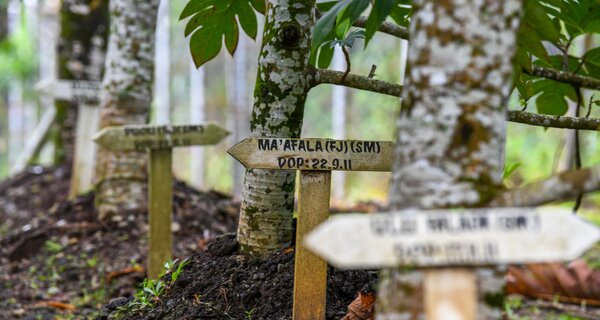
For example, the fatal disease Bogia coconut syndrome (BCS) is threatening the field genebank in Papua New Guinea, which contains 57 Pacific varieties. To prevent its destruction, the collection is being relocated to a new site.
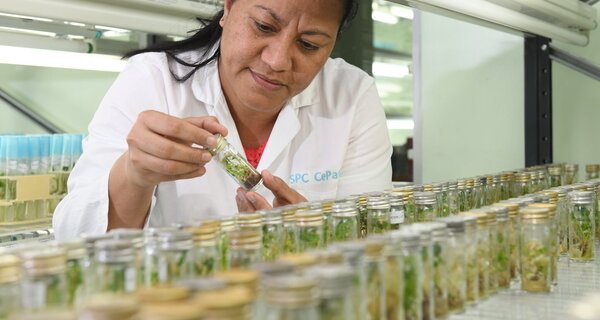
In vitro (tissue culture) is another form of conservation, more convenient than field genebanks for rapid multiplication and exchange of disease-free materials. However, such collections cannot fully replace those in the field because of limited technical and resource capacity in many countries. Cryopreservation, which means storing plant material in liquid nitrogen at -196°C is costly and time-consuming at the outset, but it is emerging as a promising method to safeguard coconut diversity for the long term.
All genebanks have their problems. The conservation strategy called for clarifying the availability of collections, addressing urgent threats from pests and diseases, ensuring safety duplication, and improving documentation and data availability. Among other things.

Cracking Open Global Collaboration
The Crop Trust and the International Coconut Community (ICC) are working together to create a strong system for conserving coconuts around the world and address these priorities. A 2024 Memorandum of Understanding bolstered the two organizations’ ability to jointly fundraise, improve information systems, establish mechanisms for monitoring and evaluation of genebanks, and share data.
Data is central to global crop conservation. Genesys – the world’s largest portal for genebank data – hosts information on more than four million samples, yet only 223 of them are coconut. This data gap limits the coconut community’s ability to mobilize genetic diversity to confront emerging threats, from pests to climate change. To address this, the Crop Trust is providing targeted capacity development for ICC and Coconut Genetic Resources Network (COGENT) members, enabling coconut genebanks to document and share their collections through Genesys and, in turn, increase the visibility and use of coconut genetic resources worldwide.
“Bringing together 39 member countries, COGENT – under the ICC – offers a powerful platform for forging strategic partnerships,” said Crop Trust’s Monitoring and Evaluation Manager Dr Nelissa Jamora, at the recent international workshop ‘Strengthening Coconut Genebanks for a Climate Resilient and Sustainable Future.’ “In collaboration with the Plant Treaty, the Crop Trust works closely with ICC to effectively conserve coconut genetic resources and promote their sustainable use.”
Going Nuts for Markets
There is a disconnect between the booming global coconut market and the painstaking work of conserving the crop’s diversity. Food and beauty companies that rely on the coconut for their products understand consumer trends, but do they know enough about coconut diversity and its conservation? This diversity underpins their business model.
A strong focus on coconut diversity can create a more sustainable system – for the palm, the farmer and the consumer. Diversity secures the sectors and cultures the coconut defines – the millions of people in the tropics who rely on the coconut for their livelihoods, and the millions more around the world who use and enjoy its products. Conserving coconut diversity ensures resilience in the face of climate change, safeguards traditions and economies, and keeps the coconut’s many benefits flowing for generations to come.
Categories: For Educators, For Partners, For Policymakers, Data & Information Systems, Global Crop Conservation Strategies, Coconut
Related Articles