Collecting Kenya’s Opportunity Crops: Searching for Tomorrow’s Solutions
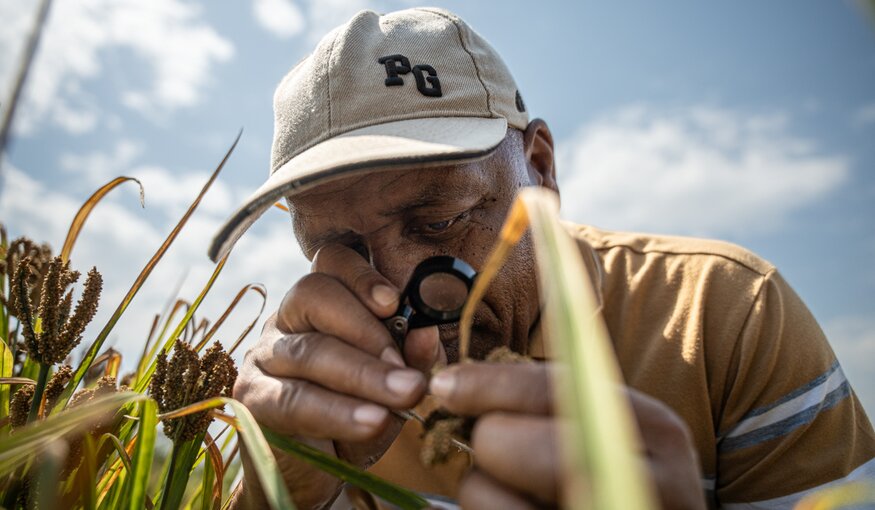
Dr Paul Kirika examines a finger millet head in a field affected by purple witchweed (Striga) in western Kenya. Photo: Kreis Visual Storytelling/Crop Trust
10 August 2026
Dr Peterson Wambugu is looking for seeds. He is on a collecting mission for the national genebank of Kenya, a Crop Trust Power of Diversity Funding Facility activity.
More specifically, he’s on a collecting mission to find finger millet and amaranth that still grow in Kenya but are missing from the country's national genebank. Like many traditional crops, these species have adapted to local conditions over generations. They may hold the traits needed to develop crops that can withstand hotter temperatures, prolonged drought and new pests and diseases.
Over the forested hills of Ruma National Park in western Kenya, far beyond the dry, cracked fields that stretch before us, thick grey clouds hang on the horizon. They look like rain.
"They're not clouds," Peterson says. "That's a wildfire."
Drought is only one part of the story. This year, the rains arrived too early. By the time Peterson's team reached farms to collect seeds from their latest harvest, the crops had already been gathered. The challenge is not simply less rain – it is increasingly unpredictable seasons.
As genebank manager at Kenya's Genetic Resources Research Institute, part of the Kenya Agricultural and Livestock Research Organization (KALRO), Peterson oversees the collecting mission. A seed collecting mission gathers seeds from farms or the wild so they can be conserved and used for research, crop improvement and restoration.
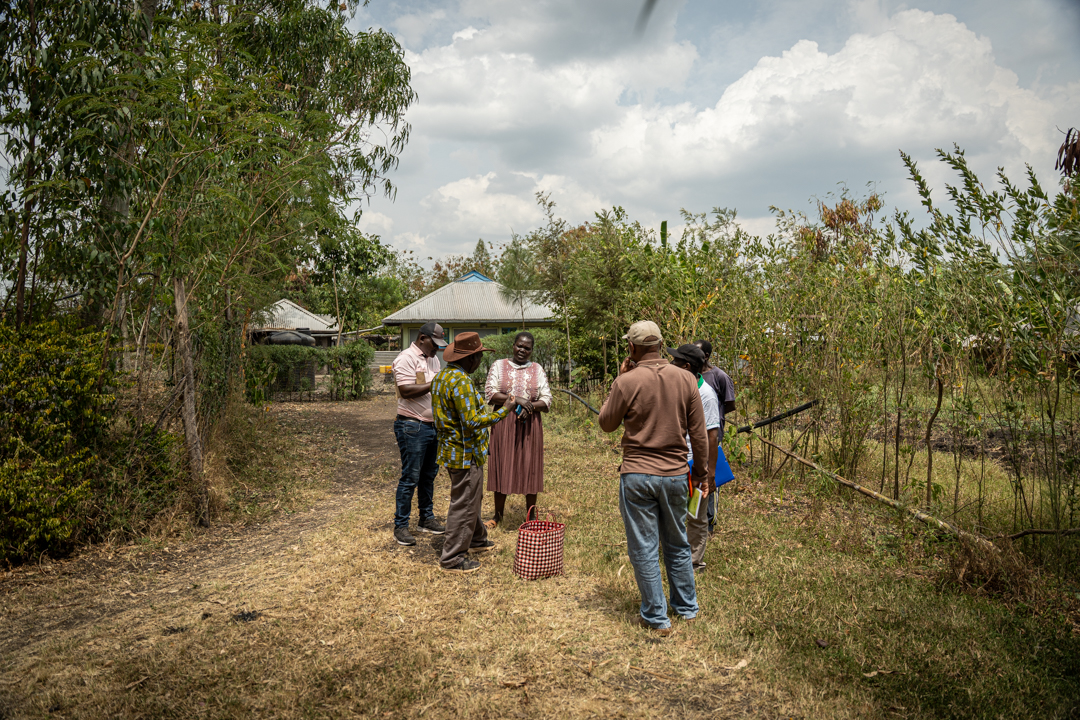
For the next several days, the group will travel from village to village on a treasure hunt for different samples of amaranth and finger millet. They will work with custodian farmers to collect crop diversity for long-term safekeeping in the genebank.
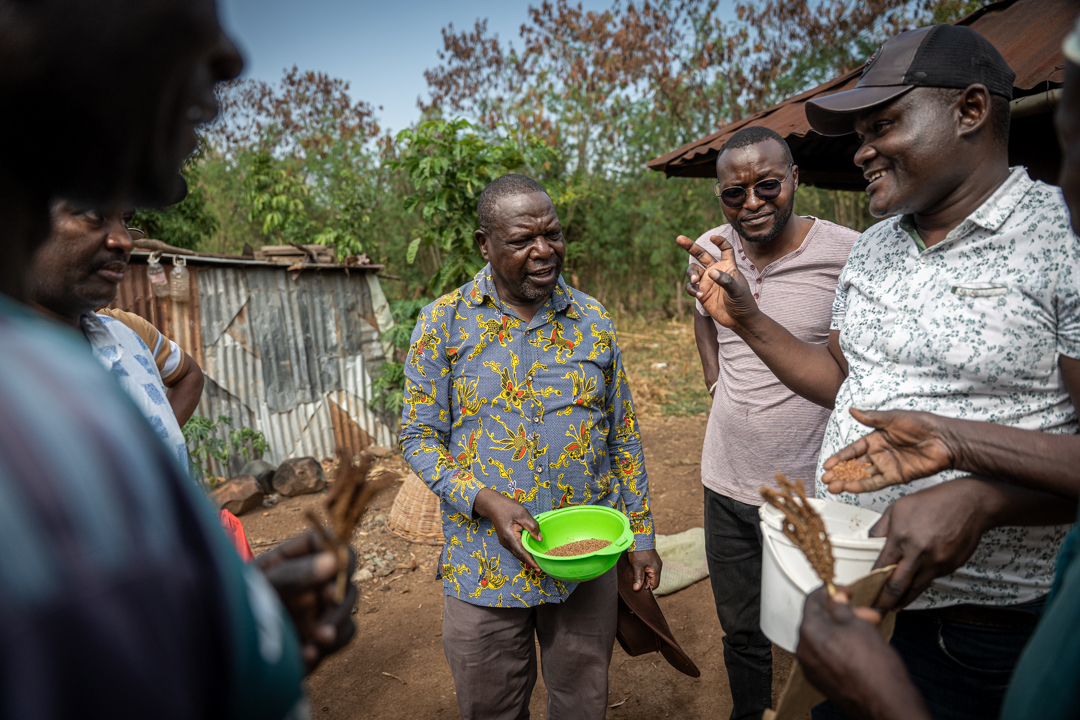
In western Kenya, scientists and farmers are working to secure finger millet and amaranth and to change how these crops are valued. Photo: Kreis Visual Storytelling/Crop Trust
Diversity Found on Farms
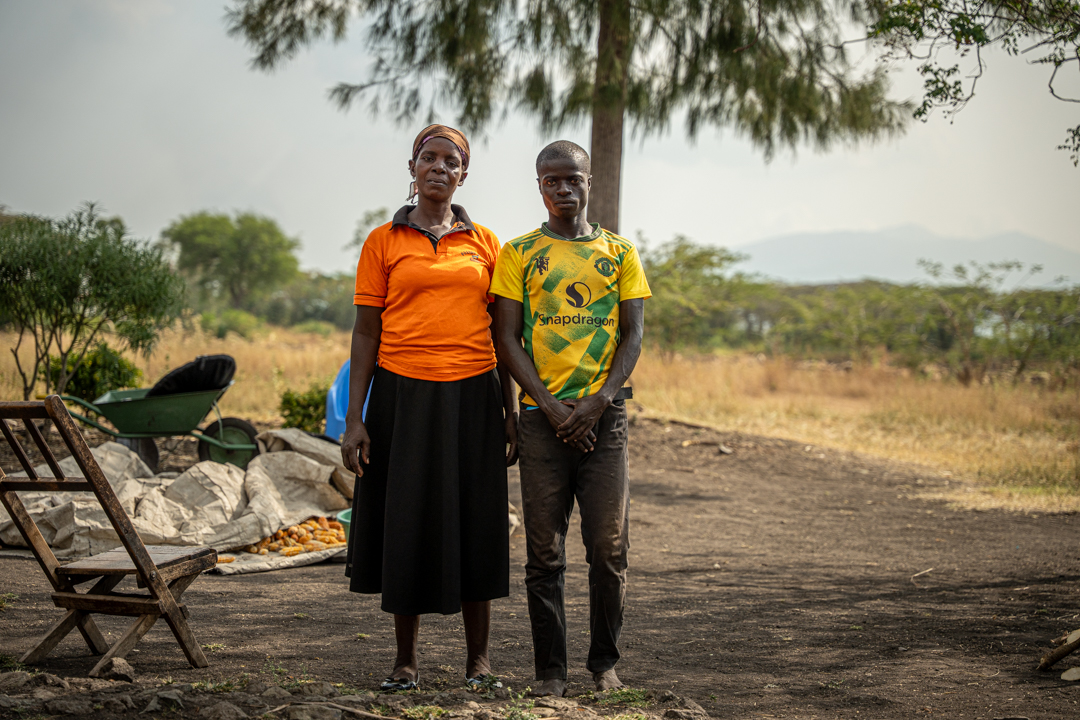
At a small farm, Peterson meets Magret Ngeso and her 20-year-old son, Wycliffe. Between two houses, the finger millet that Magret harvested dries on a large plastic sheet in the afternoon sun.
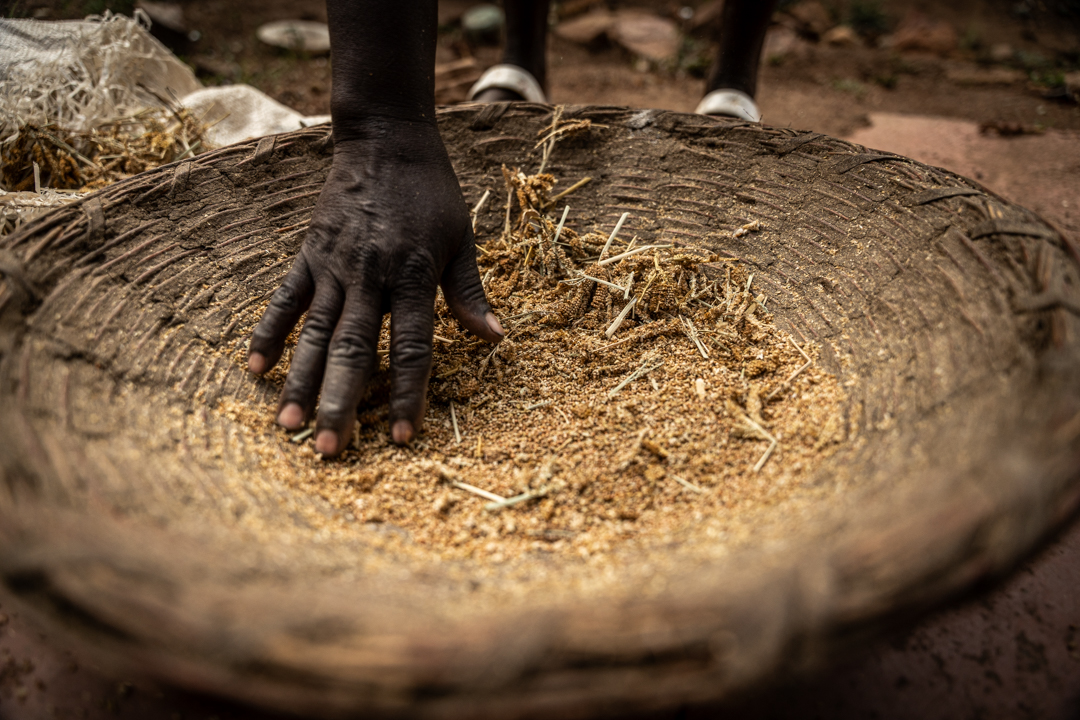
Magret carefully rubs the seed from several grain heads into her hands before pouring the tiny red and black kernels into a collection bag. A taxonomist confirms the variety. Peterson records where it was collected and who has grown it. Another unique sample is secured for Kenya's national collection. And all because Magret conserved and used it on her farm. In Kenya, women are true custodians and take the lead when it comes to crop diversity conservation.
Peterson has watched crop diversity decline during his lifetime. Growing up in central Kenya, he remembers farms filled with cassava, sorghum, groundnuts and many other crops. If one failed, another often survived. Over time, however, farming systems became increasingly dependent on maize, and age-old traditional crops such as finger millet and amaranth were pushed aside.
Yet many of the qualities that once made these crops everyday staples are exactly what farmers need today.
Finger millet tolerates drought far better than maize and continues producing under harsh conditions. Amaranth requires few external inputs while providing nutritious grain and leafy vegetables. Together, they offer something increasingly valuable in an uncertain climate – options.
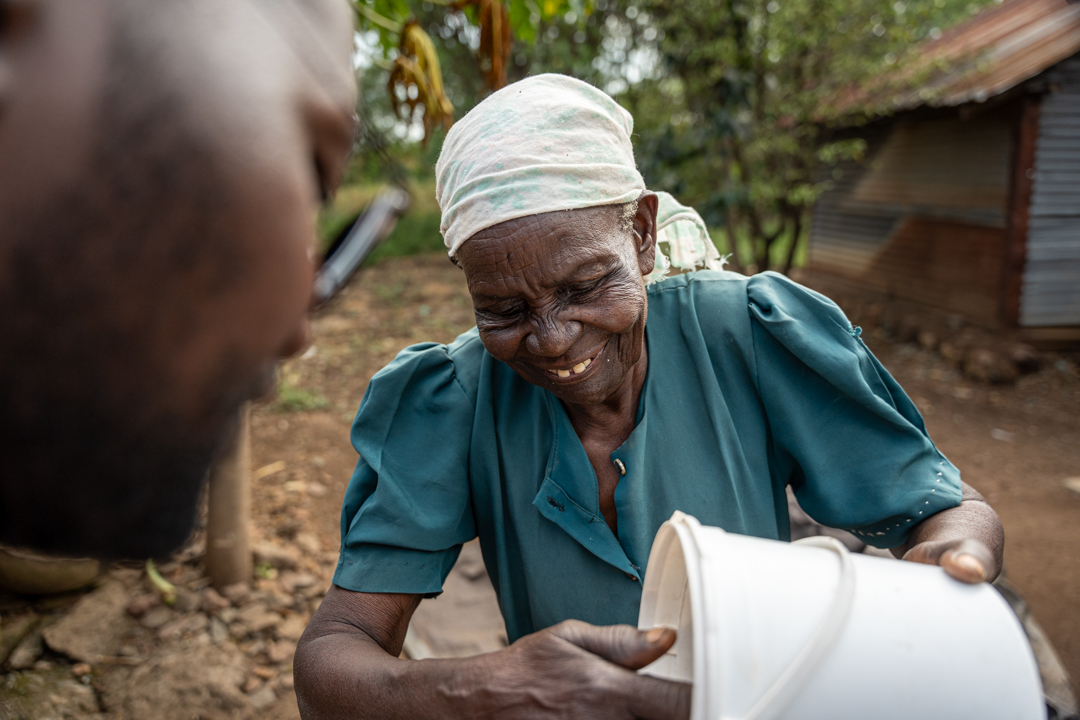
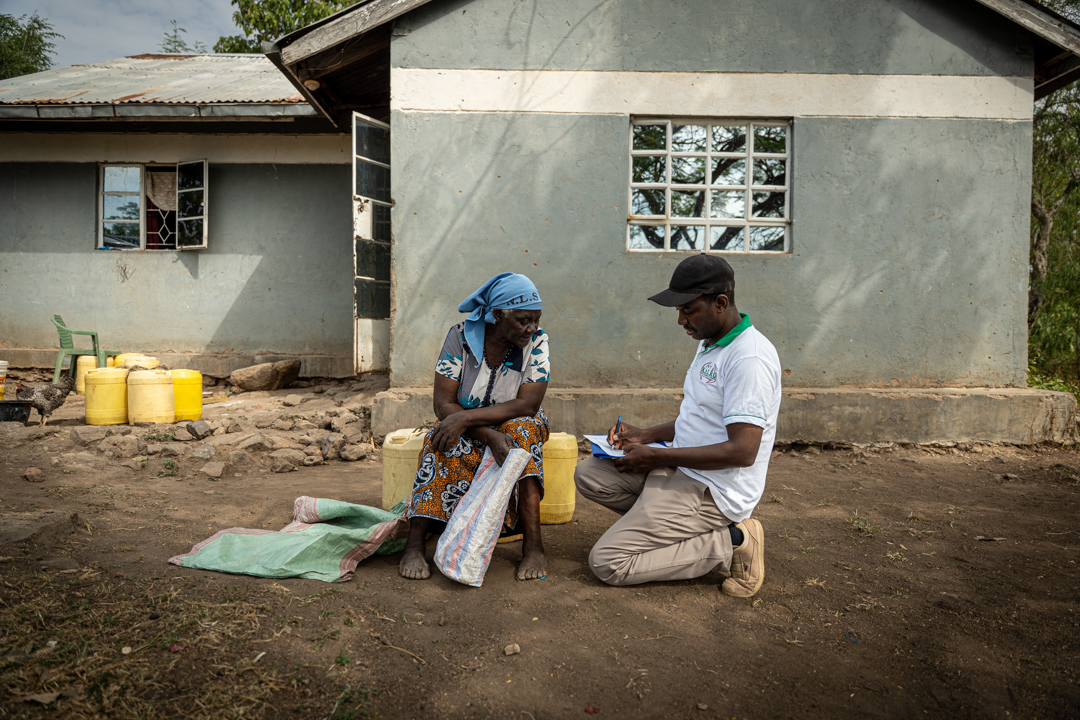
Jocinta Mwai Ogola speaks with members of a collecting mission at her homestead near Homa Bay in western Kenya. Older farmers such as Ogola are important custodians not only of locally maintained seed varieties but also of knowledge about how the crops are grown, prepared and used. Photo: Kreis Visual Storytelling/Crop Trust
Storing Kenyan Crop Diversity at -20°C
Collecting seeds is only the first step.
Back at Kenya's national genebank in Muguga, every sample is carefully cleaned, dried, tested for germination, photographed and documented before being vacuum sealed and stored at around -20°C. Today, KALRO’s genebank conserves more than 55,000 samples of around 2,000 plant species.
"Genebanks are not museums," he says. "Our collections have to be useful – not only to scientists and breeders, but most importantly to farmers."
That usefulness depends on constant collaboration. Farmers continue growing traditional varieties and identifying those adapted to changing local conditions. Genebanks conserve that diversity safely over the long term and make it available to researchers and plant breeders developing improved varieties. Those varieties eventually return to farmers' fields, where the cycle begins again.
Without farmers, many valuable varieties would never be found. Without genebanks, they could easily be lost forever.
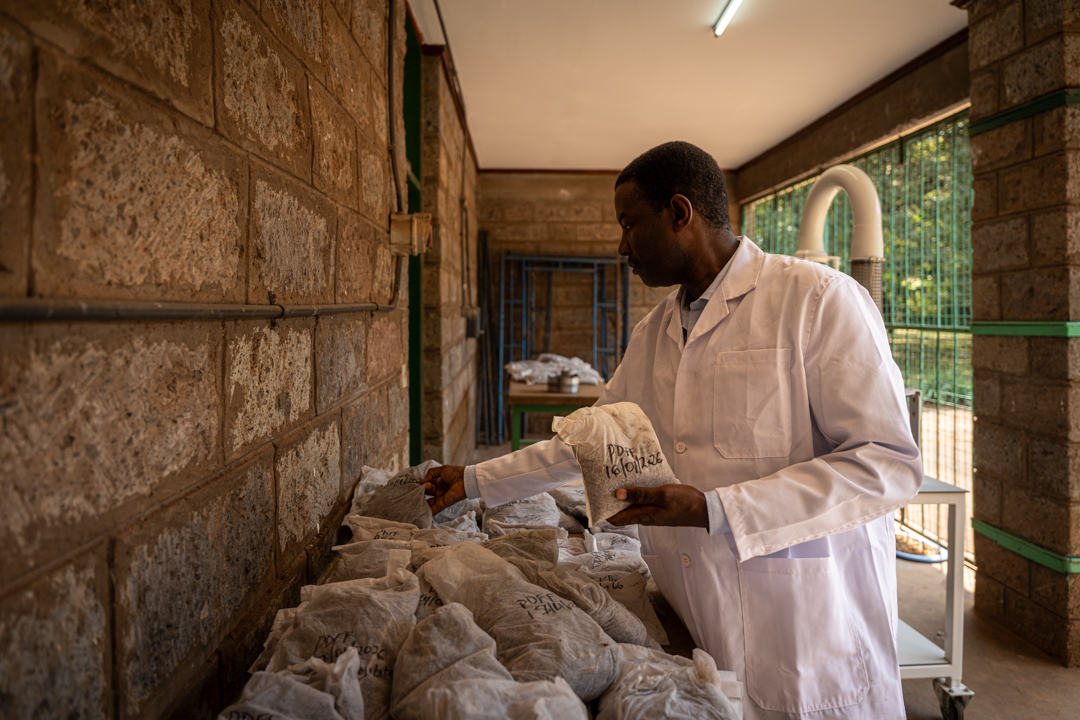
Dr Peterson Wambugu of KALRO’s Genetic Resources Research Institute (GeRRI) reviews samples collected during a Crop Trust-supported mission in western Kenya. The seeds have completed their journey from farmers’ fields and wild habitats to Kenya’s national genebank in Muguga, where they will be processed, documented and conserved for future research and crop improvement. Photo: Kreis Visual Storytelling/Crop Trust
Communities Keeping Diversity Alive
Collecting missions extend beyond farms.
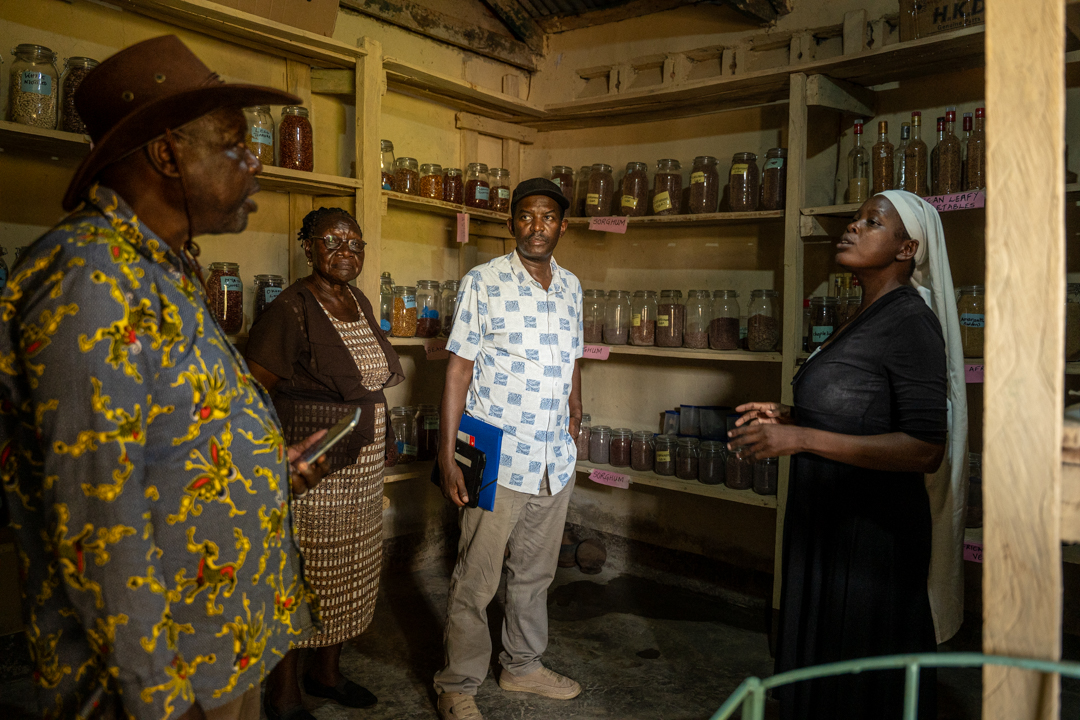
In KisumuCounty, Evalyne Adhiambo Okoth helps manage the Kabudi-Agoro Community Seed Bank. At the seedbank, farmers “borrow” traditional seed varieties and return a larger quantity after harvest, so the collection continues to grow. Here, KALRO’s treasure hunt retrieved five finger millet and two amaranth samples.
For years, Evalyne sold hybrid seed and fertilizer as an agrodealer before discovering community seedbanks through training organized by the Alliance of Bioversity International and CIAT.
"I knew the bank of money," she laughs. "I didn't know the bank of seeds."
Today, the seedbank conserves multiple varieties of finger millet and amaranth while encouraging farmers to grow crops that have long been overlooked.
"For many years, people thought these were poor people's crops," Evalyne says. "They don't see the opportunity."
She believes that perception is changing. Traditional crops can improve diets, strengthen resilience and create new market opportunities through value-added products.
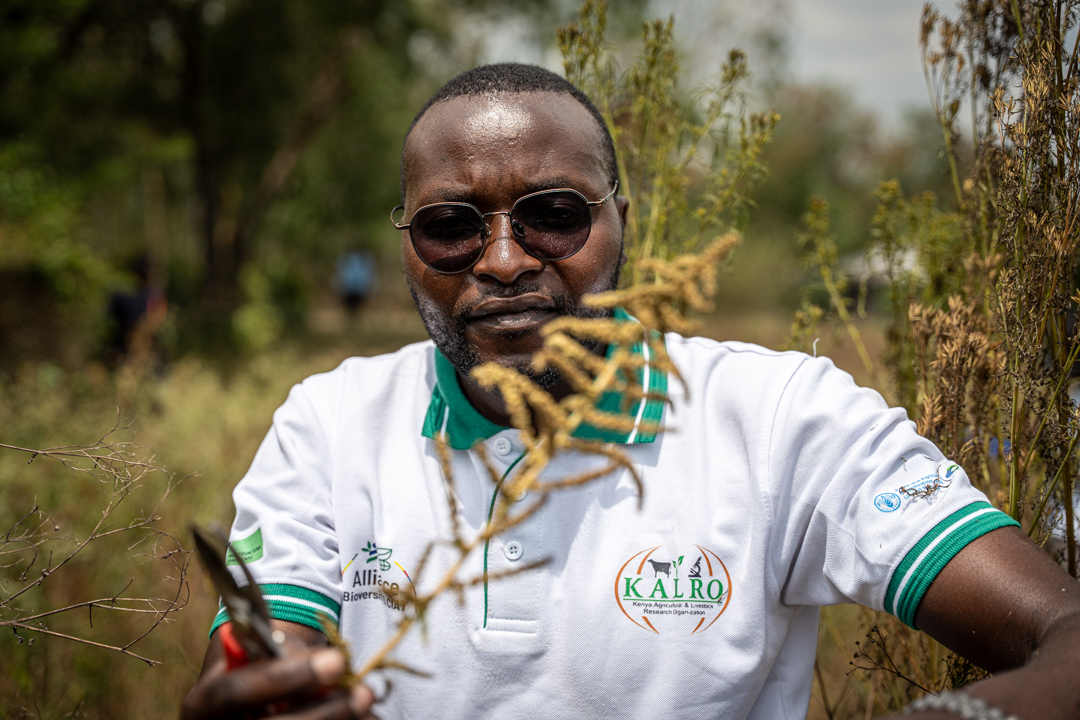
Justus Osiemo Ratemo collects amaranth growing among field-edge vegetation near Ruma National Park in western Kenya. Collecting missions frequently depend on careful searches of roadsides, field margins and other disturbed habitats where useful plant diversity may survive unnoticed. Photo: Kreis Visual Storytelling/Crop Trust
Investing in Tomorrow's Resilience
The seeds collected from Magret and Evalyne will soon sit alongside thousands of other seed samples in Kenya's national genebank. By the end of the mission, the team had collected 70 new seed samples – representing locally adapted finger millet and amaranth diversity from across western Kenya. But the greatest value lies in what comes next.
The samples collected on this mission will be cleaned, cataloged and stored over the long term, available to meet future challenges. As climate change reshapes agriculture, breeders will increasingly rely on this crop diversity conserved in genebanks to develop varieties that can withstand drought, pests and shifting rainfall patterns.
Collecting missions also bring farmers and genebanks together. Farmers help identify and maintain diversity in the field, while genebanks conserve it for future use.
By supporting this collaboration, the Crop Trust’s network helps build more resilient, nutritious and productive food systems in Kenya and beyond.
This collecting mission was supported by the Crop Trust's Power of Diversity Funding Facility, a global initiative backed by Germany through KfW Development Bank and Ireland's Department of Foreign Affairs that promotes the conservation and use of opportunity crops – traditional, nutritious, climate-resilient species like finger millet and amaranth – that have long been overlooked by research and investment.
Beyond Kenya, the Power of Diversity Funding Facility currently supports collection missions for national genebanks in Colombia, Nigeria and Zambia, covering six opportunity crops – chontaduro, chayote, sorghum, pigeon pea, fonio and cowpea.
Categories: For The Press, For Partners, Power of Diversity, Food Security
Related Articles