

By Neil Palmer
Crop Diversity Digest Contributor
6 January 2026
In the hands of farmers, crop diversity becomes a series of decisions shaped by big things like culture, taste, tradition, climate, and markets, but also, more simply, by how much land, money and time they have. Why does a farmer choose to plant one variety over another? Is it because one grows or cooks quicker? Or because it can be harvested more than once over a season? Why this leaf, and not that one? These judgments reveal what truly matters for farmers when putting a crop to use.
Understanding what matters to farmers clearly matters to the researchers trying to help them. So, across Tanzania and Benin, farmers are making – and recording – these decisions together with researchers as they test diverse lines of amaranth and jute mallow as part of the Crop Trust’s BOLDER initiative. Through the tricot approach used by the project, farmers act as citizen scientists. They generate practical insights into how different varieties perform – what works and what does not – in real field conditions and for their particular situation.
BOLDER is active across several African countries. In Benin and Tanzania, this work is carried out together with the World Vegetable Center (WorldVeg), the Tanzania Agricultural Research Institute (TARI), the Alliance of Bioversity International and CIAT, and the Genetics, Biotechnology and Seed Science Unit (GBioS) at the University of Abomey-Calavi.
These photos capture the living link between conservation and use – how crop diversity is tested in farmers’ fields and how farmers choose varieties that belong in their production systems. Their insights enrich genebank data, guide future users and strengthen the livelihoods of farming communities.
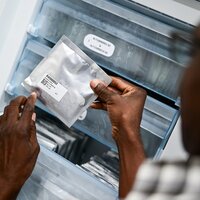

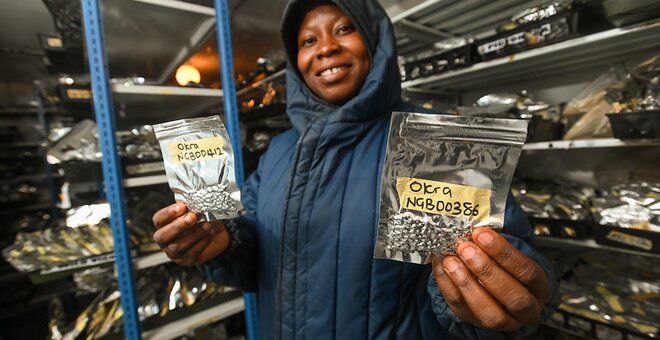
Foil packets containing amaranth seeds held in long-term storage at the WorldVeg genebank in Arusha, Tanzania. The collection includes around 800 amaranth samples, from among which six were selected for the tricot trials in Tanzania.

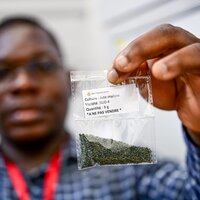
Lys Aglinglo of WorldVegin Benin holds a packet of jute mallow seeds sent from the WorldVeg genebank in Arusha, Tanzania. Six samples from a collection of around 360 were selected for trials with farmers in different agro-ecological zones of Benin.

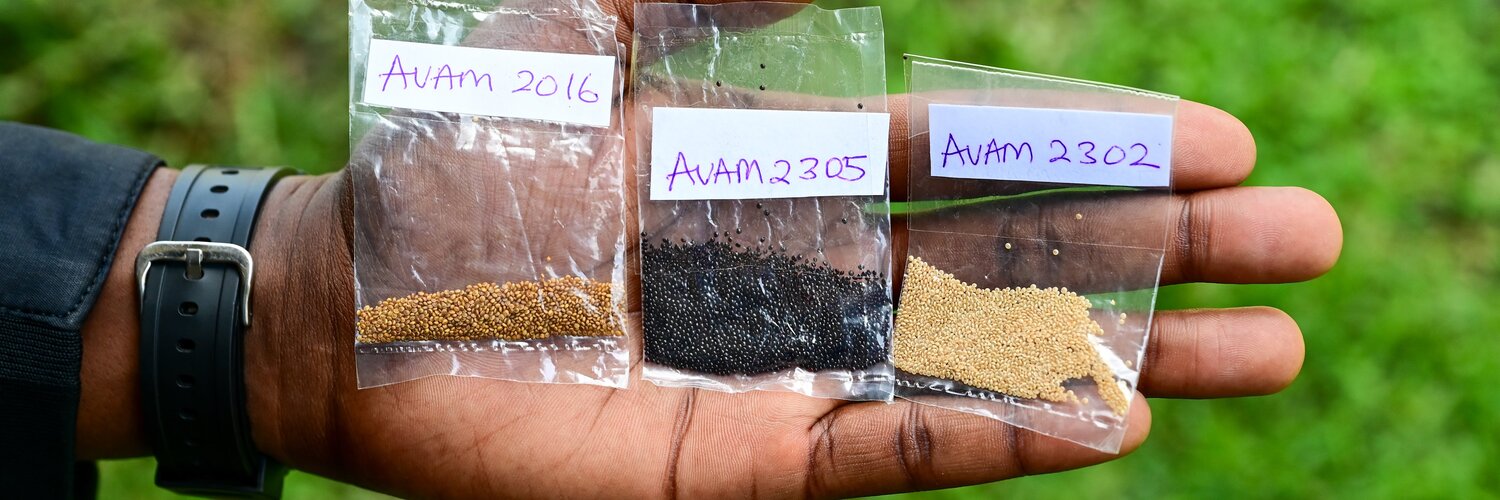
Packets containing three different varieties of jute mallow seeds for use in a tricot trial in Dobo, south-eastern Benin. Of the six accessions selected from the genebank, 180 farmers each received three at random to test on their farms.

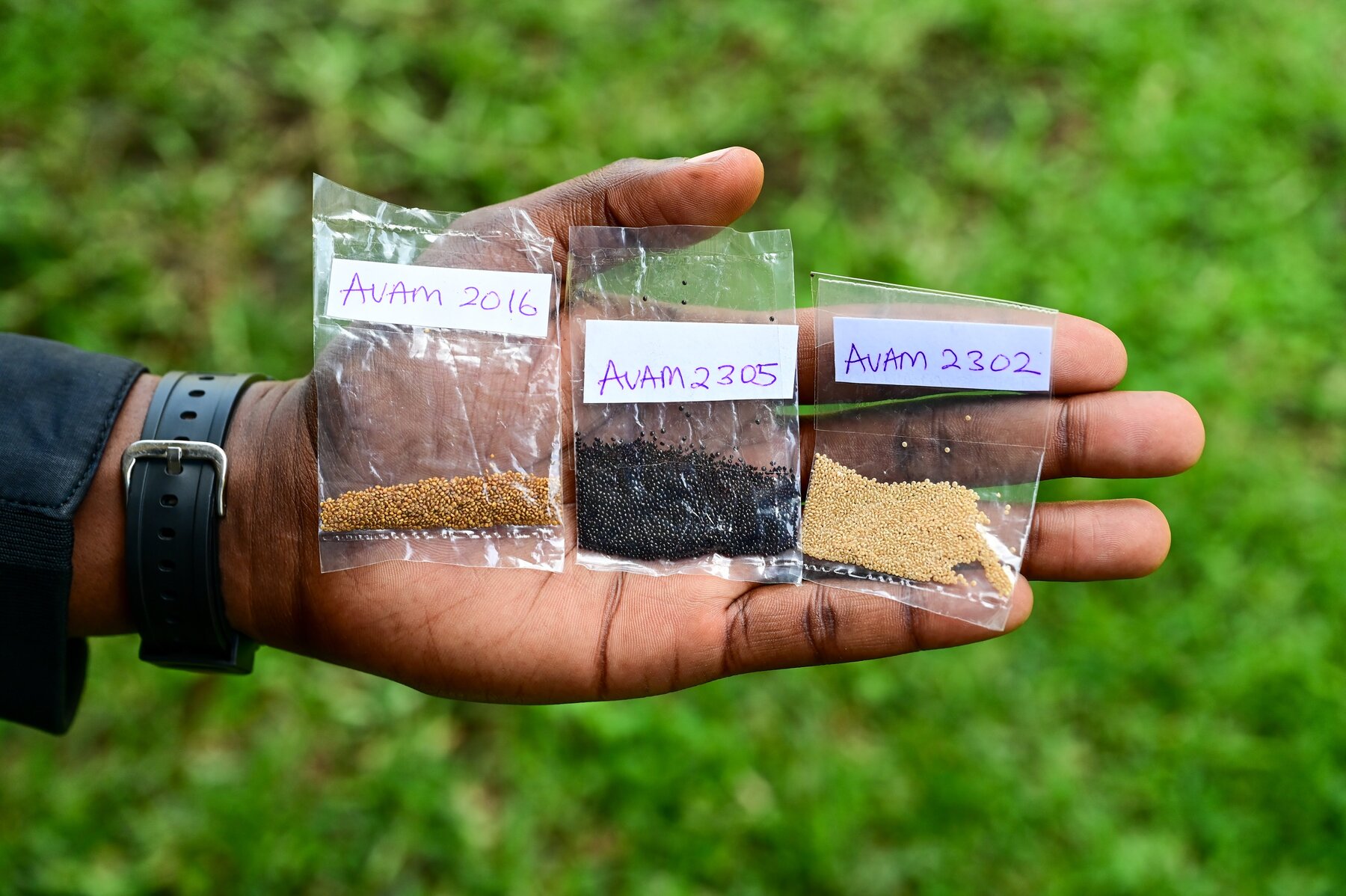
Three amaranth varieties packaged for distribution to farmers participating in tricot trials in Tanzania, drawn at random from six genebank accessions.
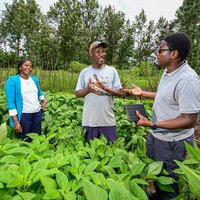
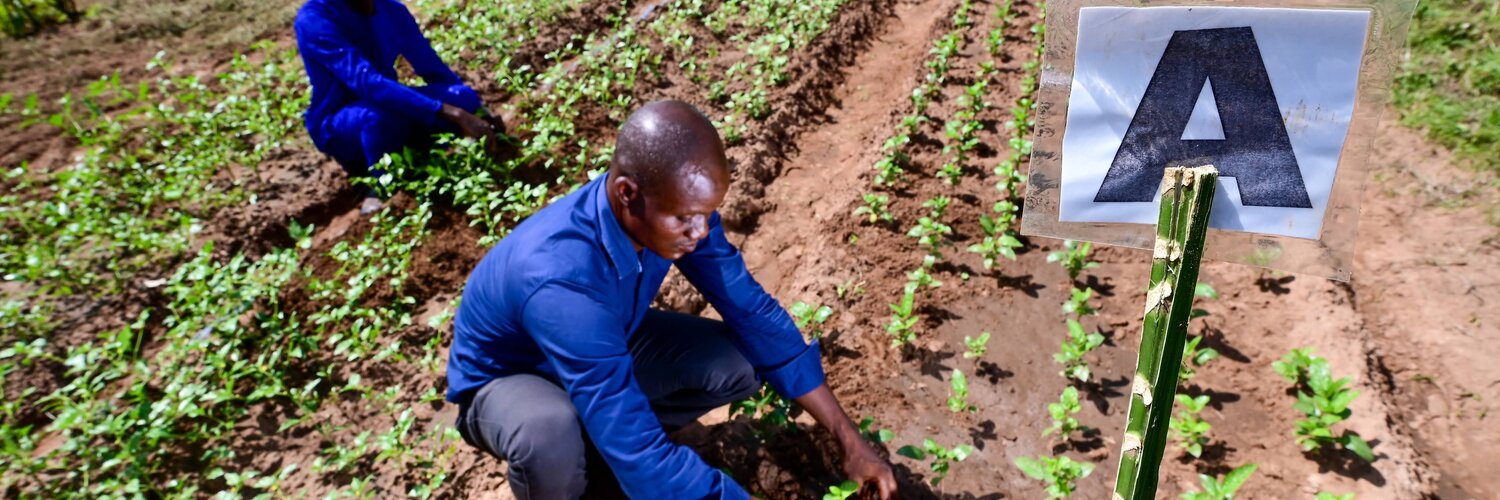
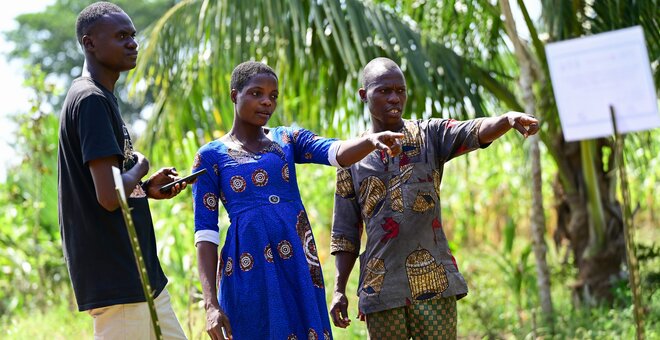
Farmers in Agbedranfo, south-western Benin, inspect jute mallow plants grown as part of the BOLDER tricot trials. Farmers at this site preferred fast-emerging plants with shiny leaves, the latter being linked to the sliminess sought by consumers and market traders when the leaves are cooked.
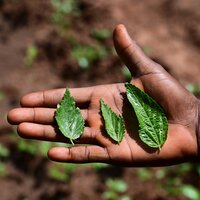
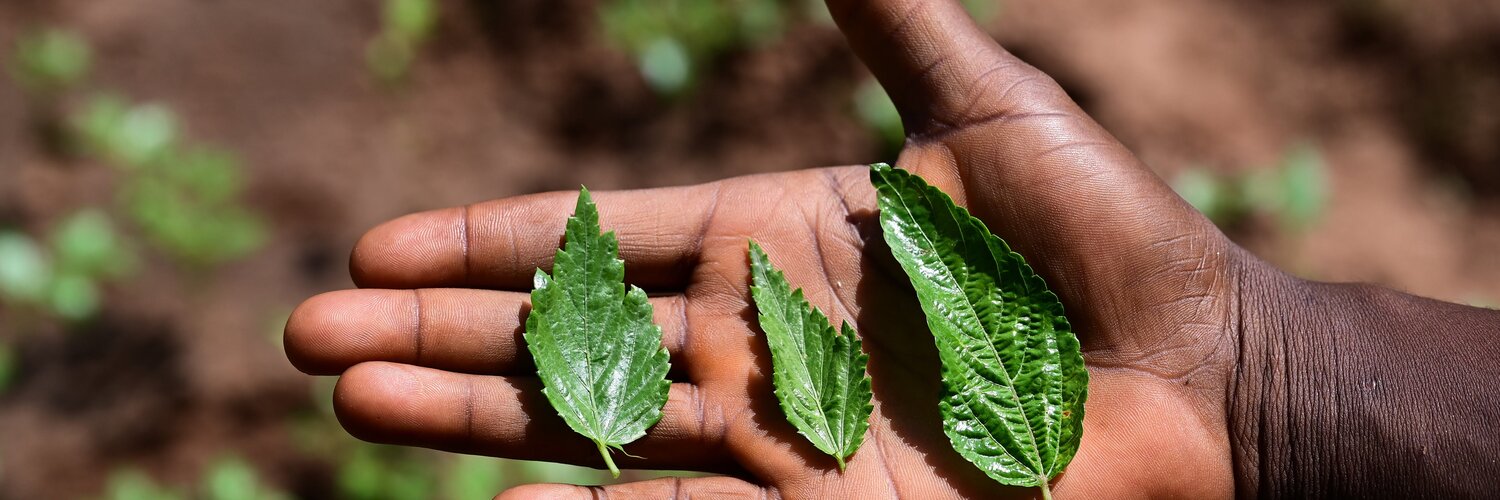
Leaves of three different jute mallow varieties harvested from tricot trial plots in Agbedranfo. The leaf on the left was least liked by farmers because it resembles a common weed, raising concerns that customers might be unwilling to buy it in the market.
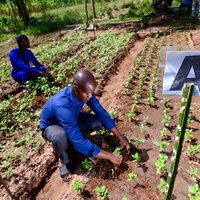
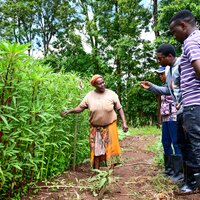
Emeline Geremia Massawe discusses the performance of one of her amaranth tricot plots with representatives from WorldVeg and TARI. She identified types that could be grown solely for their grains, while others identified dual-purpose varieties whose leaves could also be used.
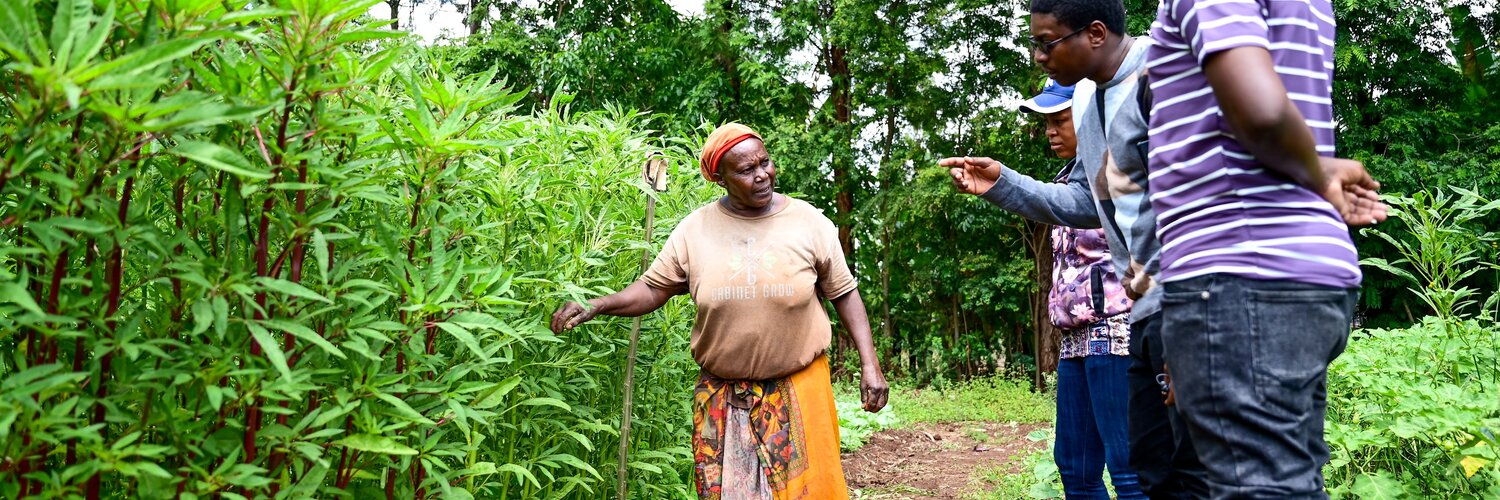
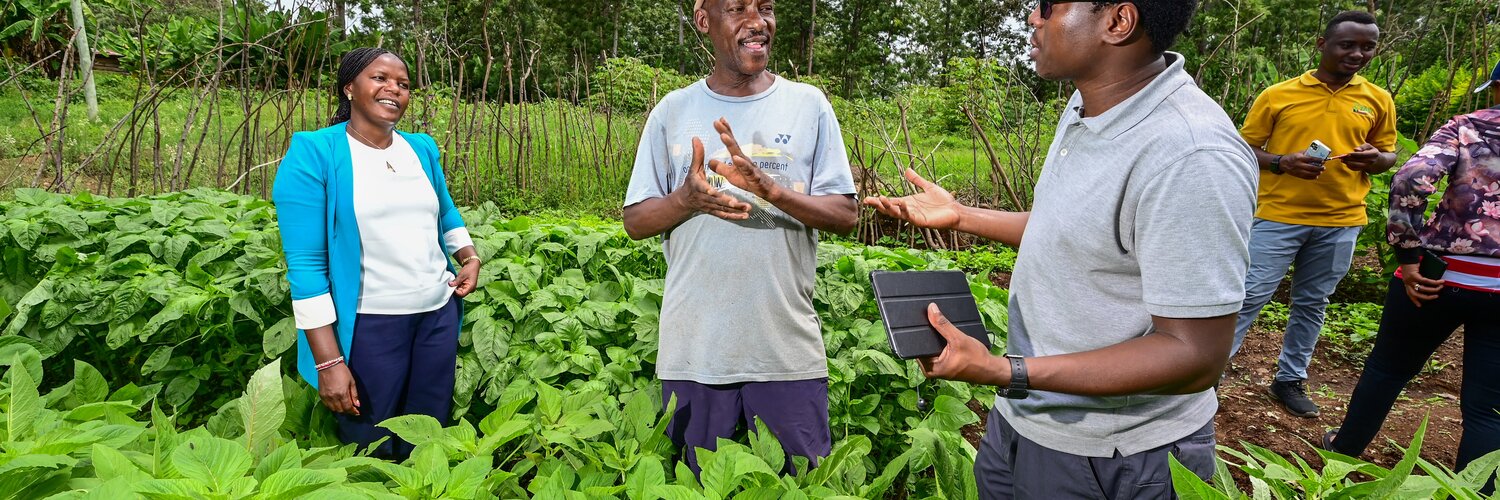
A farmer stands between two tricot plots of amaranth, discussing their performance with WorldVeg researcher Abdul Shango (front). Farmers typically look for resilience to drought and vigorous growth; one popular type allows repeated leaf harvests five or six times in a season.
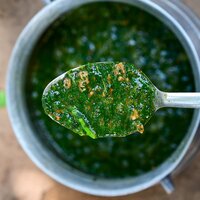
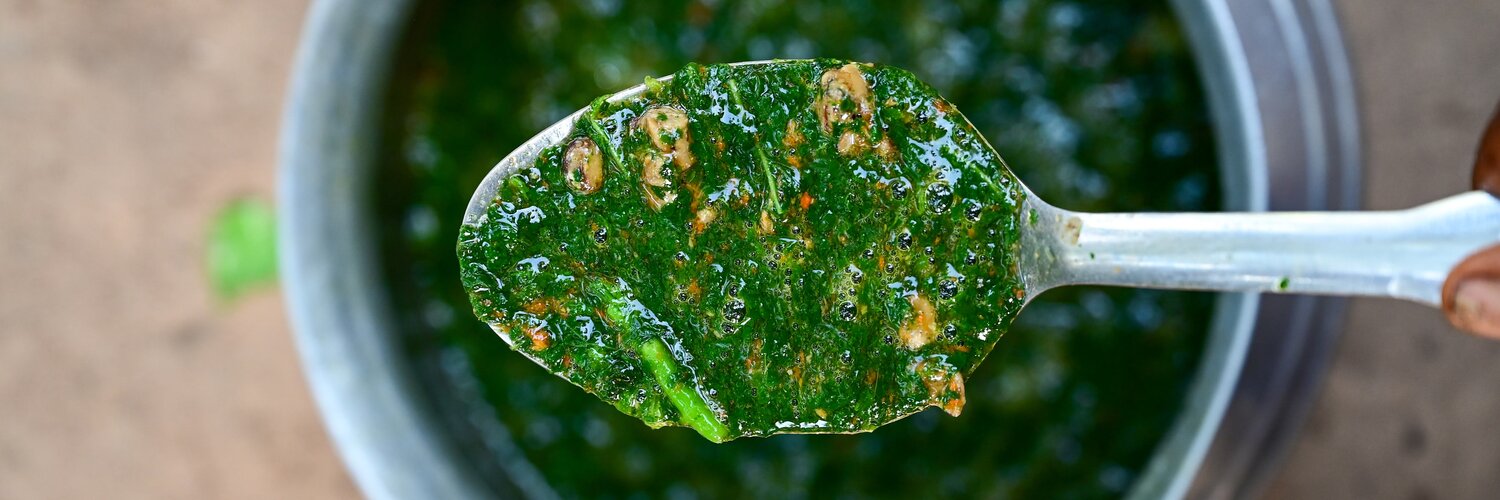
A spoonful of crincrin, the staple Beninese dish whose rich green colour and characteristic sliminess come from jute mallow leaves. An estimated 300 million people in West Africa regularly consume jute mallow, making it one of the region’s most important leafy vegetables.
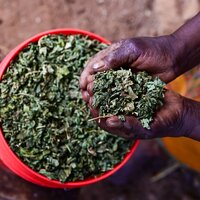
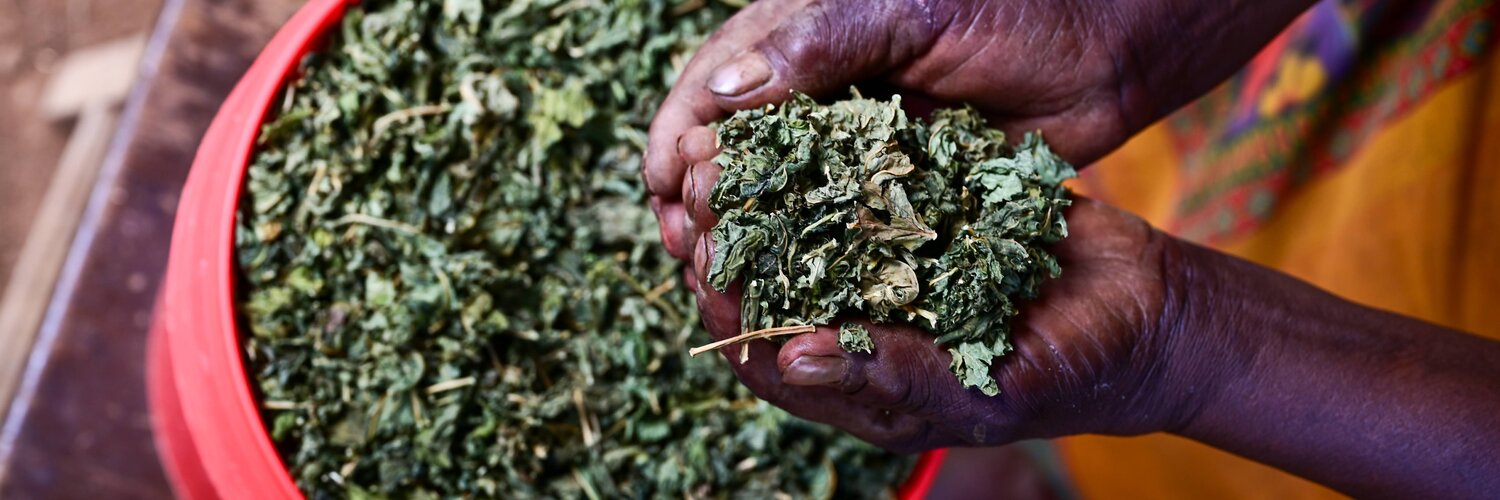
A farmer holds a handful of dried amaranth leaves from the tricot trials. Some types dry particularly well, which farmers value as a way to store food for use during lean periods when fresh vegetables are scarce.
Related News
BOLDER’s Citizen Science Approach Unlocks New Opportunities for Underutilized Crops in Benin and Tanzania
During the first few hours of daylight – before the sun gets high and it’s too hot outside – experimental fields at the World Vegetable Center (WorldVeg) research station in Cotonou, Benin, are buzzing with activity. Solar-powered...
30 Jun 2025
From 100 to Four: Favorites in Focus for BOLDER Opportunity Crops
BOLDER Project Stakeholders Meet to Identify 15 Underutilized Species for Conservation and Use
Over 250 farmers, genebank experts, government representatives, and private-sector partners gathered in Benin, Ghana, Tanzania and...
14 Apr 2025
Crop Trust dares to be BOLDER with expansive initiative in Africa
Dubai, United Arab Emirates, 10 December 2023 — As the world comes together to urgently chart a better course forward for climate action at COP 28 in Dubai, the Crop Trust is proud to announce the launch of the BOLDER (Building...
10 Dec 2023